
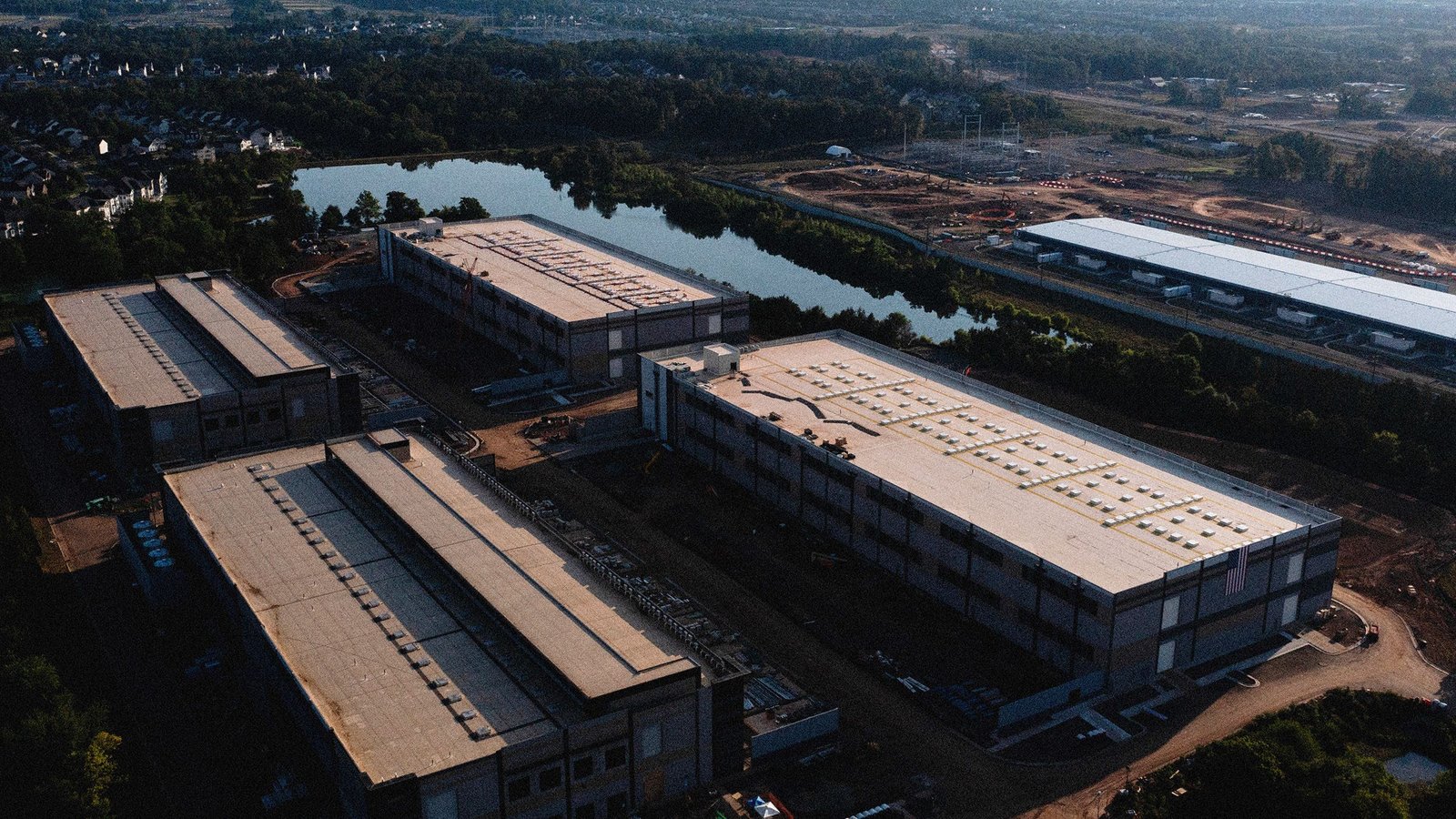
New York State Senator Liz Krueger and Assemblymember Anna Kelles introduced a legislative bill on Friday seeking a three-year moratorium on new data center permits to mitigate surging electrical demand and environmental degradation. The proposal aims to halt the rapid expansion of energy-intensive facilities while the state evaluates their long-term impact on the power grid and consumer utility rates.
A Growing National Movement Against Data Center Expansion
New York’s move reflects a burgeoning bipartisan skepticism toward the infrastructure powering the AI boom. State Senator Liz Krueger emphasized that data center moratoriums are currently being tested as a viable regulatory model across the United States. “Democrats and Republicans are moving forward with exactly these kinds of moratoriums,” Krueger stated during a press conference. “New York should be in the front of the line to get this done.”
This legislative push follows high-profile critiques from national figures. In December, Senator Bernie Sanders (I-VT) became the first national politician to advocate for a blanket moratorium on data center permitting, arguing that technological benefits must serve the public rather than just the wealthiest one percent. Similarly, Florida Governor Ron DeSantis recently attacked the industry’s expansion, questioning the trade-off between higher energy bills for residents and the power requirements of online chatbots.
Infrastructure Strain: New York’s 10-Gigawatt Challenge
The state currently hosts over 130 data centers, with several massive projects in development, including a 450-megawatt facility planned for a former coal plant site. However, the sheer scale of energy consumption is alarming grid operators. One utility provider reported 10 gigawatts of pending electric demand—primarily from data centers—waiting for grid connection. This demand tripled within a single year, sparking fears that the infrastructure cannot keep pace without compromising reliability or shifting costs to taxpayers.
Governor Kathy Hochul recently initiated measures to force data centers to “pay their fair share” regarding grid upgrades. Despite these efforts, environmental groups like Food and Water Watch argue that existing regulations are insufficient. The organization, which spearheaded the New York bill, recently led a coalition of 200 groups calling for a national moratorium, labeling the current AI-driven data center expansion as a significant environmental and social threat.
Legislative Mechanics: The Three-Year Regulatory Review
The proposed bill mandates a minimum three-year pause on issuing permits for new facilities. During this window, the Department of Environmental Conservation and the Public Service Commission must conduct exhaustive studies on the industry’s footprint. These reports will analyze impacts on the public and the environment, ultimately suggesting new regulations to minimize negative externalities. Eric Weltman, senior strategist for Food and Water Watch, noted that while many well-intentioned bills exist, they lack the necessary teeth to address the industry’s massive scale.
Bipartisan Pushback Across the United States
New York is not alone in its legislative caution. Lawmakers in Georgia, Maryland, Oklahoma, Vermont, and Virginia have introduced similar measures this year. While Democrats lead the charge in some regions, Republican-sponsored bills in Oklahoma and Maryland demonstrate the issue’s cross-party appeal. Locally, at least 14 states already have municipalities or counties that have implemented their own pauses on data center construction.
Industry Response and the “Good Neighbor” Initiative
The data center industry has begun a strategic pivot to counter growing public and legislative resistance. Microsoft, supported by the White House, recently announced a set of “good neighbor” commitments aimed at improving community relations. Dan Diorio, vice president of state policy at the Data Center Coalition, stated that the industry is focused on educating the public about responsible water usage and its commitment to paying for the energy consumed.
Virginia: The Epicenter of the Reform Movement
Virginia, the world’s most dense data center hub, remains the primary battleground for reform. State Delegate Josh Thomas has seen the caucus of “data center reformers” in the Virginia legislature grow from three members in 2024 to over a dozen in 2025. Thomas argues that lawmakers now recognize the urgent need to negotiate the placement and environmental impact of these facilities.
While a previous reform bill requiring deeper environmental and noise assessments was vetoed by former Governor Glenn Youngkin, proponents are optimistic about the future. Newly elected Governor Abigail Spanberger has signaled a willingness to reconsider such legislation, emphasizing that data centers must “pay their own way.” Thomas believes that while moratoriums are easier to pass in states where the industry has a smaller footprint, the strategy remains a necessary tool for managing the rapid evolution of digital infrastructure.