Escalating hostilities in the Strait of Hormuz and drone strikes on Qatari energy infrastructure have triggered a global fertilizer supply shock, threatening to leave American farmers with a critical shortage of nutrients just weeks before the vital spring planting season. As the Trump administration moves to secure oil assets in the region, the agricultural sector faces a looming catastrophe characterized by skyrocketing prices and a lack of strategic reserves to buffer the impact.
Production Halts and the Nitrogen Bottleneck
The interdependence of energy markets and agricultural inputs has been laid bare as QatarLNG, a subsidiary of the state-run Qatar Energy, suspended operations following targeted drone attacks on its facilities. This disruption effectively removed nearly 20% of the global natural gas supply from the market, sending energy prices in Europe into a tailspin. Because nitrogen-based fertilizers like urea are manufactured using natural gas, the impact on farming was instantaneous.
By Tuesday, Qatar Energy expanded its shutdown to include downstream products, specifically urea. This move is particularly devastating given that Qatar was the world’s second-largest exporter of urea in 2024. Compounding the crisis, Iran—the third-largest exporter—and other regional players are seeing their export capacities paralyzed by the maritime blockade in the Strait of Hormuz. According to Josh Linville, vice president of fertilizer at StoneX, urea prices at the Port of New Orleans surged nearly 15% in a single day as news of the production halts reached the United States.
A Market on the Brink: Global Statistics and US Vulnerability
The scale of the disruption extends far beyond a single country. “When we look at ammonia, we’re looking at almost 30 percent of global production being either involved or at risk in this conflict,” warns Veronica Nigh, a senior economist at the Fertilizer Institute. The outlook for urea is even more dire, with nearly half of the global supply currently threatened by the instability in the Persian Gulf.
The crisis is not limited to nitrogen. The US agricultural industry relies heavily on phosphate imports, with Saudi Arabia providing approximately 40% of the domestic supply. With manufacturers in the region already reaching storage capacity and shutting down production due to the inability to ship products through the Strait, the US faces a supply vacuum that cannot be easily filled.
The Convergence of Geopolitical Pressures
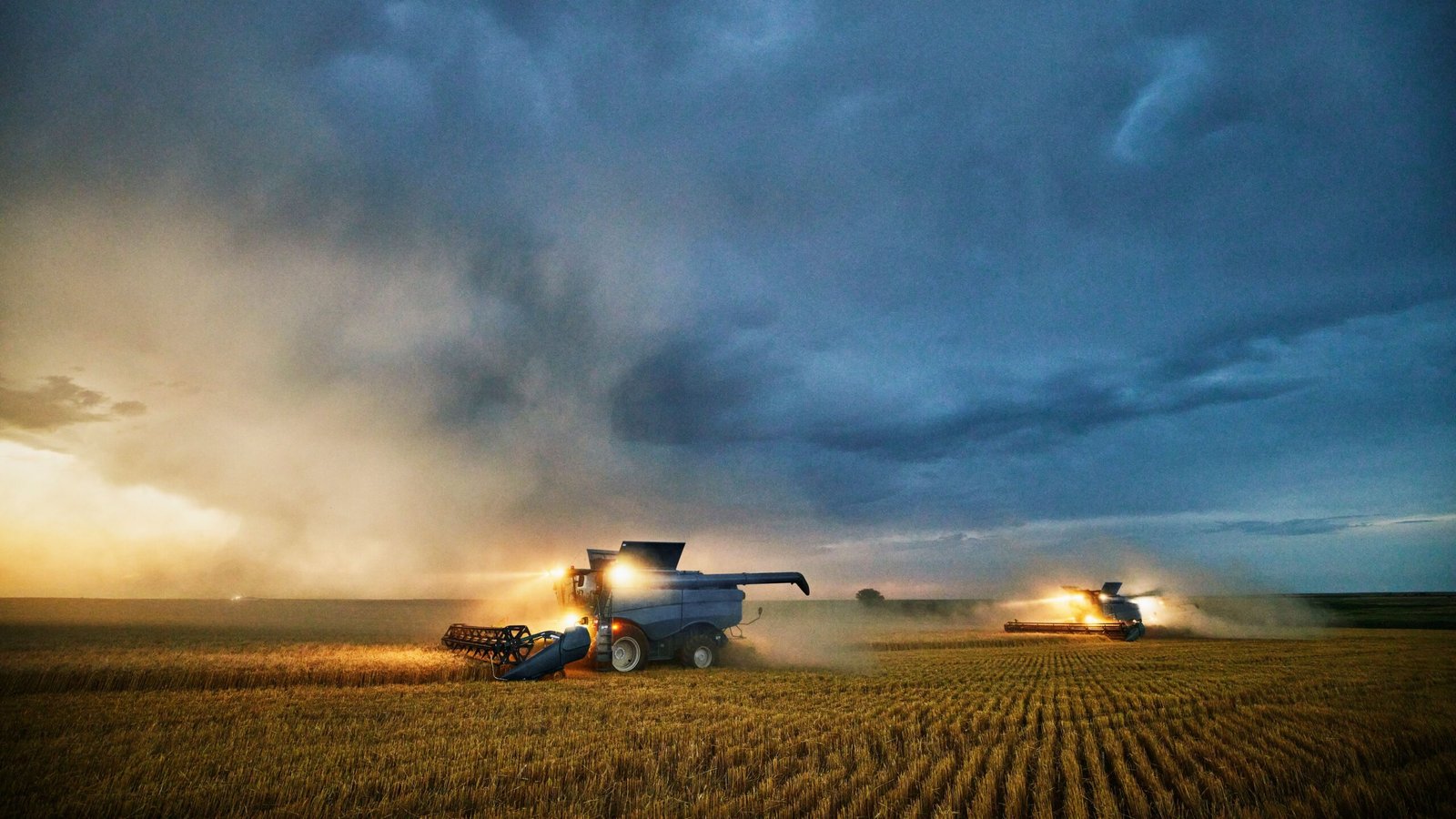
The timing of this conflict could not be more precarious for the American Midwest. US fertilizer buyers typically finalize orders in March to ensure delivery by the April planting window. A delay of even a few weeks could drastically limit the volume of nutrients available for corn, soy, wheat, and cotton crops.
Compounding the regional instability is China’s recent decision to prioritize its domestic market. As the world’s largest phosphate producer, China has suspended all exports until August, removing a critical alternative source from the global marketplace. Unlike the energy sector, which can rely on the Strategic Petroleum Reserve during periods of volatility, the United States maintains no emergency buffer for fertilizer.
Economic Consequences for the American Farm Belt
For US farmers, this supply shock represents a second wave of economic hardship. Many operations are still reeling from the trade war with China, which decimated demand for US corn and soybeans and forced the Department of Agriculture to issue an $11 billion bailout late last year. Industry representatives argue that these funds only partially cover existing losses, leaving farmers ill-equipped to handle a massive spike in input costs.
As the conflict persists, the market may move toward a “highest bidder” scenario. Farmers who cannot afford the inflated prices or those caught in supply rationing may be forced to leave fields unfertilized or pivot to crops that require fewer nutrients, potentially altering the landscape of American food production for the coming year. The lack of a strategic fertilizer reserve means that the stability of the US food supply chain is currently tethered to the volatility of the Persian Gulf.