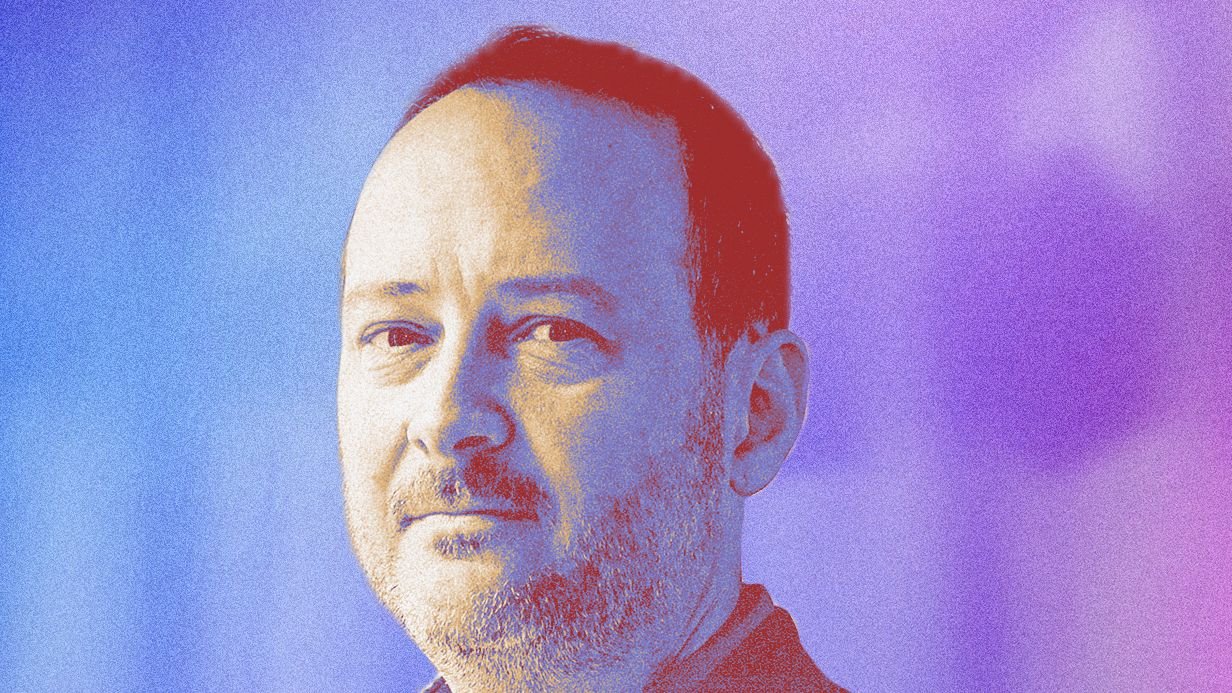
Chuck Borges, the former Social Security Administration (SSA) Chief Data Officer who blew the whistle on Elon Musk’s Department of Government Efficiency (DOGE), officially launched his campaign for the Maryland State Senate this Tuesday. Borges seeks to transition from federal oversight to legislative action, citing systemic government dysfunction and critical data privacy risks exposed during his turbulent seven-month tenure at the SSA.
Data Security Clashes: Why the SSA Chief Resigned
Appointed in January to oversee the federal government’s most sensitive data—including Social Security numbers and citizenship status for nearly every American—Borges quickly found himself sidelined. He alleges that DOGE personnel operated within the agency with little transparency, often bypassing his statutory authority. The conflict peaked when Borges filed a whistleblower complaint alleging that DOGE moved sensitive American data to an unsecure cloud environment, a move that ultimately led to his forced resignation in August.
Allegations of Unsecure Cloud Migration
As the primary authority on SSA data, Borges raised alarms regarding the “Numident” database. This repository contains actionable identity information, including birthplaces and mothers’ maiden names. Borges contends that migrating this data to an unsecure environment exposes millions of citizens to identity theft and state-sponsored cyberattacks. “I never saw a use case that required this scale and scope of data in my time as CDO,” Borges stated, emphasizing that even simple human error in such environments can lead to catastrophic breaches.
The Death Master File Red Flag
The first “alarm bell” for Borges occurred when he learned through media reports—rather than internal briefings—about changes to the Death Master File. In April, the SSA erroneously classified approximately 6,000 living immigrants as deceased, severely disrupting their access to financial services. Borges argues that as the Chief Data Officer, he should have been consulted on such high-value dataset changes, yet leadership consistently denied him permission to hold essential Data Governance Council meetings.
From Federal Oversight to Legislative Candidate
Borges’s decision to run for office as a Democrat stems from his direct observation of congressional interactions and federal inefficiency. While he clarifies that DOGE was not the sole catalyst for his candidacy, the dysfunction he witnessed motivated him to pursue a role where he could “unstick” government processes. He champions a nonpartisan approach to data privacy, asserting that the protection of personal information is a fundamental right rather than a political talking point.
A Vision for Tech-Savvy Governance in Maryland
Representing a unique region of Southern Maryland characterized by agricultural expertise and proximity to military tech hubs, Borges aims to transform his district into a model for sustainable growth. He believes his background in executive management and technical literacy provides the necessary tools to navigate the “new era” of government efficiency.
Addressing the ongoing operations of DOGE, Borges warns that while cutting costs is a valid goal, speed must be paired with intention. He advises current federal employees to document their work meticulously and maintain ethical boundaries. “There’s never a wrong time to do the right thing,” Borges remarked, framing his Senate bid as the next logical step in his commitment to public service and data integrity.