
President Donald Trump convened executives from Microsoft, Meta, OpenAI, xAI, Google, Oracle, and Amazon at the White House on Wednesday to sign a “ratepayer protection pledge” designed to prevent the massive energy demands of AI data centers from inflating consumer electricity bills. The administration’s strategic move aims to neutralize a growing bipartisan backlash against the tech industry’s impact on the national power grid as the race for artificial intelligence dominance accelerates.
A Symbolic Salvo Against Rising Utility Costs
“Data centers … they need some PR help,” President Trump remarked during the event, acknowledging the public’s fear that new infrastructure will inevitably lead to higher monthly expenses for average Americans. The pledge serves as a high-profile assurance to voters that the administration is proactively shielding them from the financial fallout of the AI revolution.
The initiative follows months of calculated pressure from the White House. In late January, Trump utilized Truth Social to blame political opponents for high energy costs, asserting his collaboration with tech giants to ensure citizens do not “pick up the tab” for corporate power consumption. He later solidified this stance during his State of the Union address, introducing the concept of a mandatory obligation for tech firms to secure independent energy sources.
The Regulatory Reality: Federal Power vs. Utility Control
Despite the optical success of the signing, legal and energy experts remain skeptical about the White House’s actual jurisdiction over electricity rates. “This is theater,” stated Ari Peskoe, Director of the Electricity Law Initiative at Harvard Law School. Peskoe argues that the executive branch possesses limited leverage in this arena, as primary authority resides with state utility regulators and Congress.
According to Peskoe, the core of the issue lies in the traditional utility business model, which is designed to “socialize” costs—spreading the multi-billion dollar price tags of grid upgrades across the entire consumer base. “We’re in this new paradigm where we have just a few companies that are imposing billions of dollars of costs,” he added, noting that tech companies are not the primary decision-makers regarding how those costs are distributed.
Political Pressure Mounts as Public Support Wanes
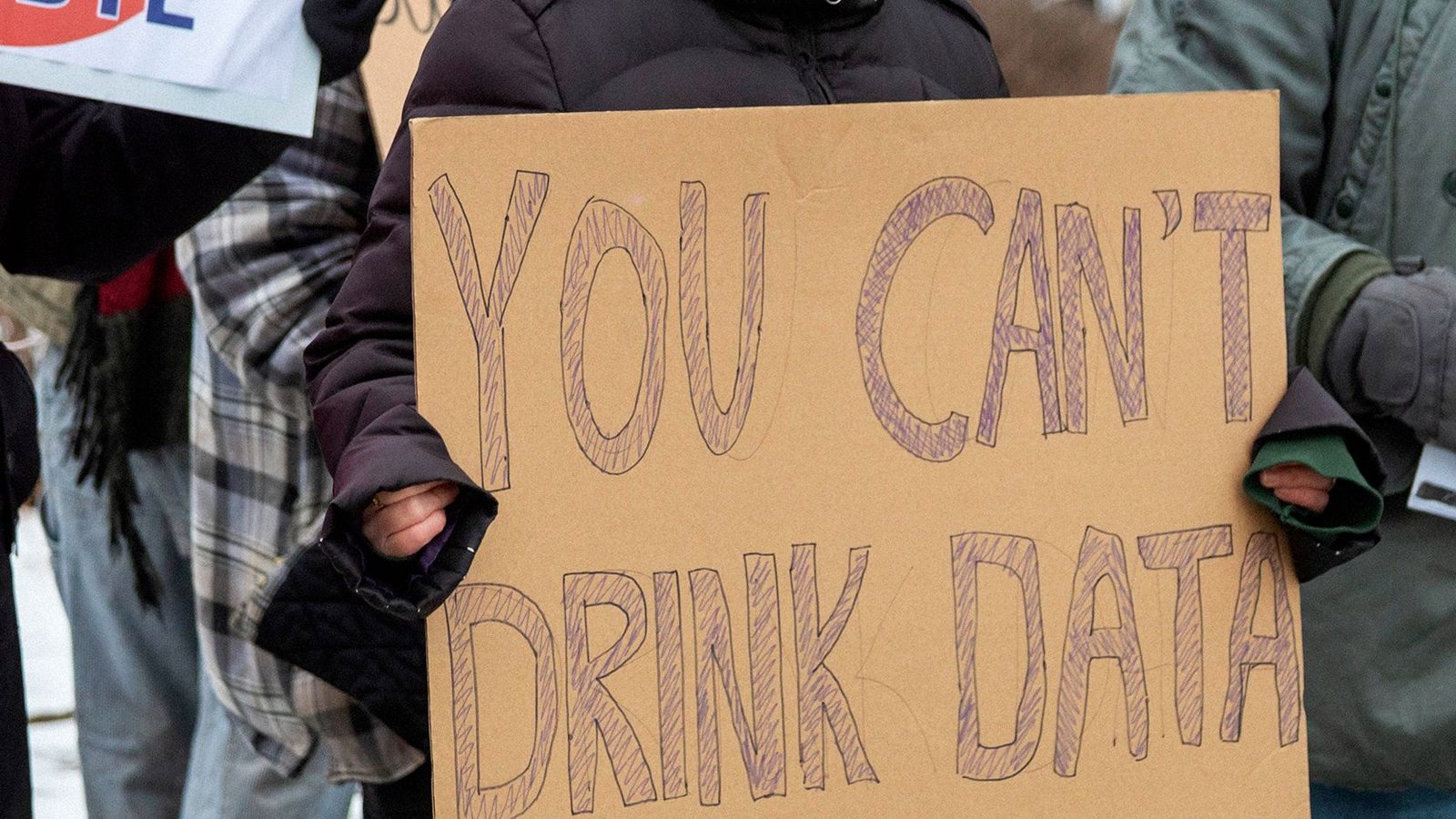
The urgency behind the pledge reflects a shifting political landscape. Recent polling from Heatmap News indicates that less than 30% of American voters support the construction of data centers in their local communities. This friction has already manifested in key battlegrounds like Georgia and Virginia, where data center expansion and utility hikes became pivotal campaign issues.
In response to constituent anger, several state legislatures have proposed moratoriums or bills intended to shift the financial burden of infrastructure upgrades directly onto the tech operators. However, these legislative efforts face stiff resistance. In Georgia, a bill designed to protect ratepayers from data center costs was recently derailed in the state Senate, reportedly due to opposition from Georgia Power, the state’s dominant utility provider.
Independent Initiatives and the “Nonbinding” Loophole
While the White House pledge is a collective agreement, many signatories had already begun individual efforts to mitigate their energy footprints. Google, for instance, has highlighted ongoing investments in geothermal and nuclear energy, alongside job creation frameworks. Anthropic and Microsoft have similarly rolled out independent commitments regarding their facility operations.
However, critics point out a significant flaw: the pledge is entirely nonbinding. Without federal oversight or a mechanism to track compliance, there is no guarantee that these corporations will follow through. Furthermore, the private nature of contracts between tech firms and utilities makes it nearly impossible for the public to verify if the pledge is being honored behind closed doors.
The Infrastructure Hurdle: Aging Grids and Socialized Costs
The challenge of modernizing the U.S. power grid extends beyond corporate intent. The existing infrastructure relies on aging transmission lines that require monumental capital to upgrade. Under the current regulatory framework, utilities earn profits by proposing these upgrades to regulators, who then authorize the costs to be passed on to the public.
While the White House suggests that tech companies build their own onsite power plants to achieve energy independence, such projects are prohibitively expensive. This creates a divide within the industry; while giants like Amazon or Microsoft may have the capital to invest in proprietary energy sources, smaller data center operators and contractors lack the resources to make similar guarantees, potentially leaving the grid—and the consumer—vulnerable to the costs of the broader AI buildout.