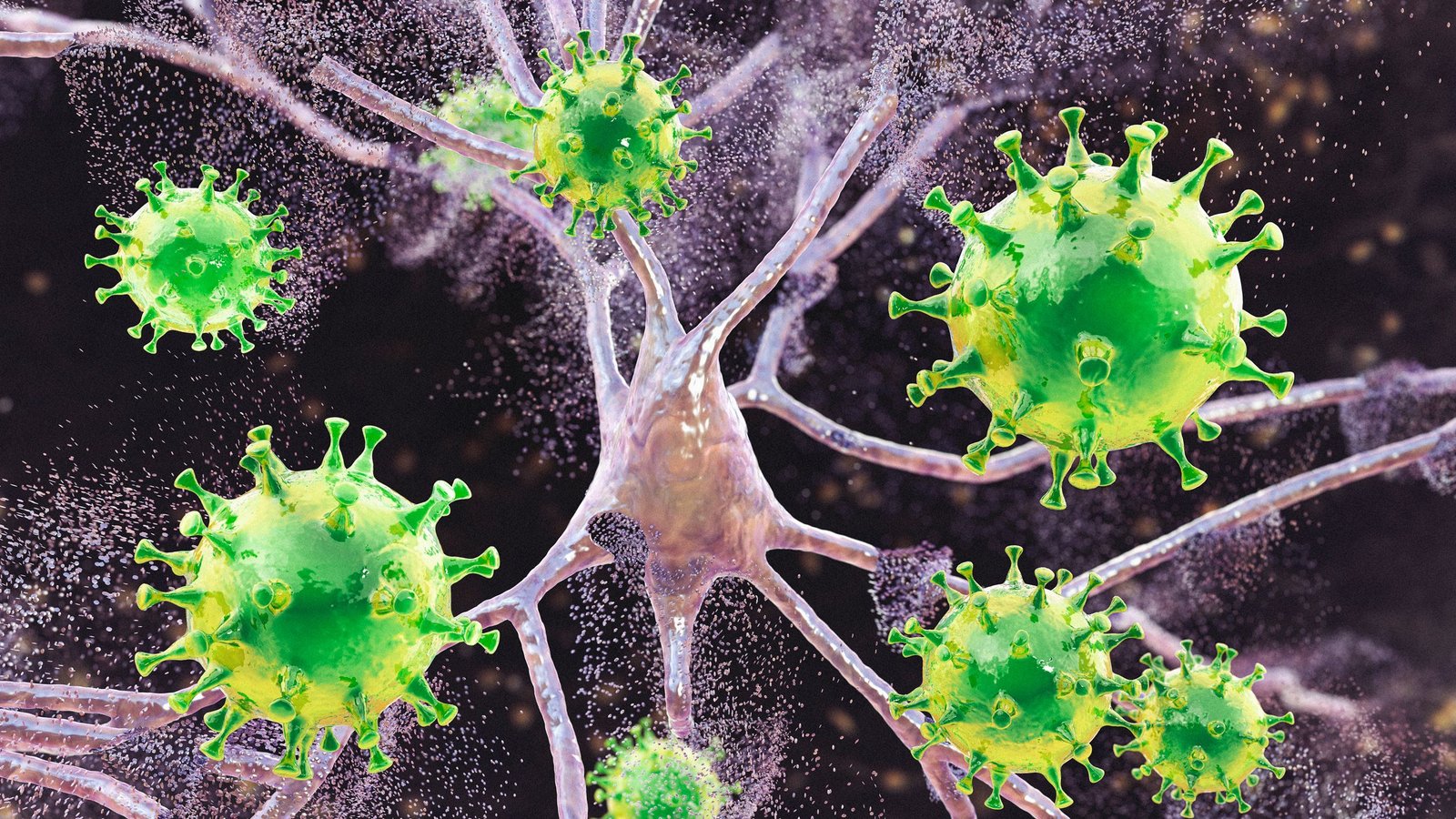
Researchers at Melbourne’s Peter Doherty Institute for Infection and Immunity are pioneering a CRISPR-based antiviral that utilizes the Cas13 enzyme to dismantle influenza’s genetic code, potentially offering a universal shield against both seasonal strains and future pandemics. This innovative approach moves beyond traditional gene therapy for rare diseases, aiming instead to neutralize highly adaptable respiratory viruses at the molecular level.
Beyond Rare Diseases: CRISPR’s New Frontier in Virology
While gene-editing technology is traditionally associated with correcting rare genetic disorders like sickle cell disease, scientist Zhao and his team are pivoting toward infectious disease. Their objective is to develop a next-generation treatment capable of neutralizing influenza, regardless of whether it is a common seasonal strain or a highly pathogenic avian variant with pandemic potential.
The RNA Vulnerability: Why Cas13 Changes the Game
The most recognized iteration of CRISPR employs the Cas9 enzyme to cut DNA. However, virologists are increasingly focused on Cas13, an enzyme that targets RNA. Because influenza viruses are composed entirely of RNA strands, they possess a biological vulnerability that Cas13 is uniquely equipped to exploit. “Cas13 can target these RNA viruses and inactivate them,” Zhao noted, highlighting the enzyme’s origin in the immune systems of bacteria where it serves to disable invading phages.
A Molecular Inhaler: How the Treatment Works
The proposed delivery system involves a nasal spray or injection utilizing lipid nanoparticles to transport molecular instructions directly to infected respiratory cells. This two-stage process begins with mRNA that prompts human cells to produce the Cas13 enzyme. Simultaneously, a “guide RNA” directs the enzyme to a specific, vital segment of the influenza virus’s genetic sequence.
“Cas13 then cuts the viral RNA, disrupting the virus’s ability to replicate and effectively stopping the infection at the genetic level,” explained Sharon Lewin, an infectious diseases physician leading the project. This method could serve as both a treatment for active infections and a preventive measure during severe outbreaks, essentially arming respiratory cells with a “molecular army” ready to intercept the pathogen.
The Quest for a Universal “Pan-Flu” Antiviral
Current antivirals, such as Tamiflu, often struggle with viral resistance because they target specific, mutable strains. In contrast, CRISPR-Cas13 can be engineered to target “conserved regions”—segments of the genetic code that remain identical across virtually all flu variants and are essential for survival. This puts CRISPR at the forefront of “pan-influenza” innovations, alongside monoclonal antibodies and interferon-boosting drugs.
Safety Trials and the “Lung on a Chip”
The stakes are high, as influenza A claims between 12,000 and 52,000 lives annually in the United States alone. However, introducing bacterial proteins into the human body presents challenges. Nicholas Heaton, a professor of molecular genetics at Duke University, warns of potential immune responses against the foreign protein and “off-target effects” where the treatment might inadvertently damage the host’s own RNA.
To address these concerns, the Wyss Institute at Harvard University utilized “lung on a chip” technology—microscopic models of human alveoli—to test the therapy. Donald Ingber, the institute’s founding director, reported that Cas13-powered cells successfully repelled various strains, including the 2009 H1N1 swine flu and the virulent H3N2. Crucially, the study observed no off-target damage and noted a reduction in the inflammatory molecules that typically cause severe tissue damage during infection.
Playing Defense: Targeting the Human “Achilles’ Heel”
While some researchers focus on attacking the virus, others, like Heaton, suggest a defensive strategy. Instead of hunting the pathogen, scientists could use CRISPR-Cas9 to temporarily modify human biology. By identifying the specific human genes that influenza requires to enter and replicate within cells—such as the SLC35A1 gene, which manages surface sugars the virus uses as receptors—researchers might be able to “turn down” these pathways.
“Theoretically, if you could make an inhibitor of that gene and have somebody inhale it, that would essentially stop all flu,” Heaton suggested. Though still in the early stages, this nuanced approach aims to find a balance where the virus is restricted without causing permanent harm to human physiology, marking a sophisticated new chapter in the millions-of-years-old biological arms race between mammals and influenza.