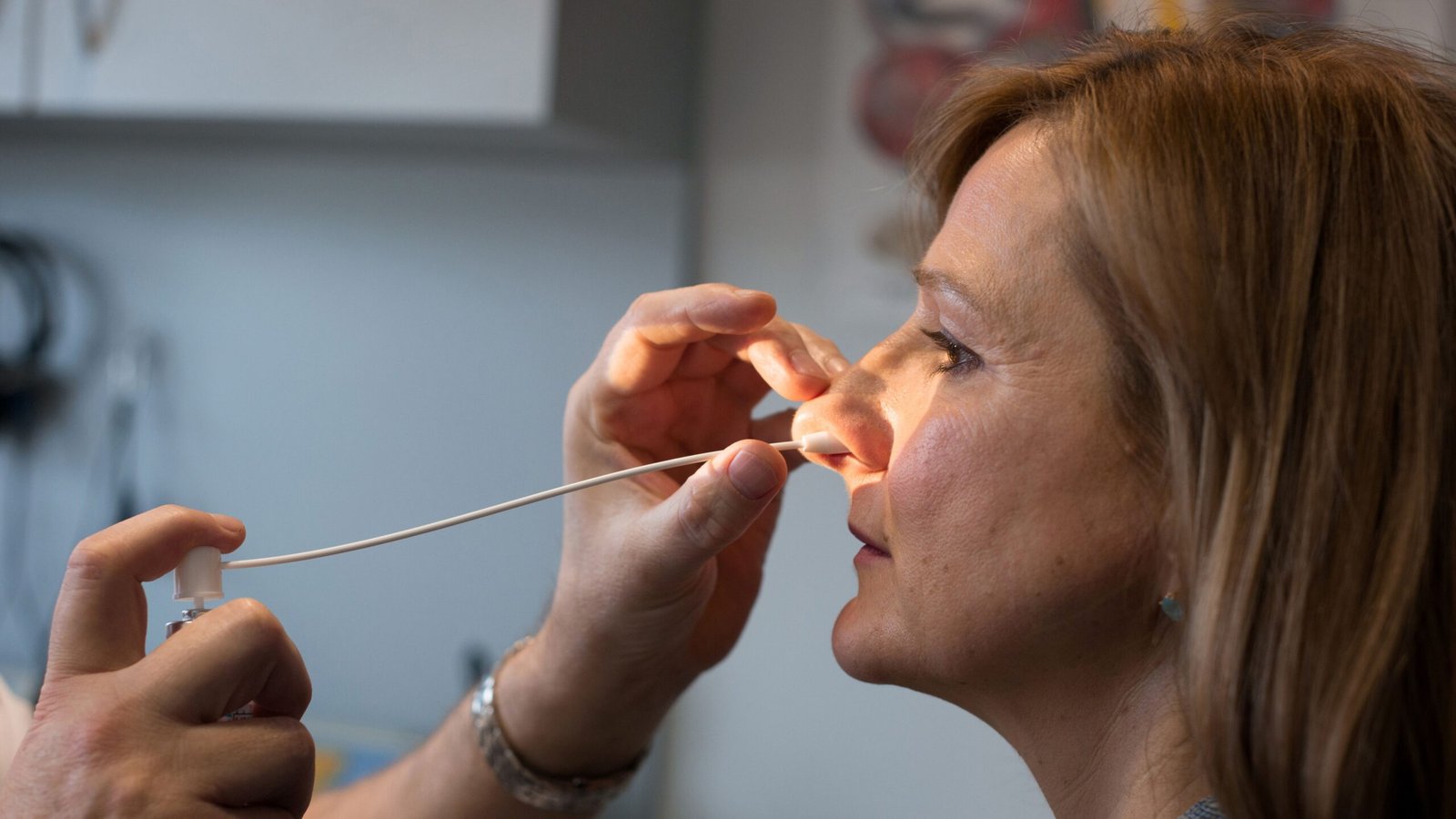
Gestala, a pioneering biotech startup headquartered in Chengdu, is disrupting the brain-computer interface (BCI) landscape by utilizing high-frequency ultrasound to interact with the human brain without surgical intervention. Led by CEO Phoenix Peng, the firm aims to transition ultrasound from a diagnostic tool into a powerful therapeutic platform capable of modulating neural activity and eventually “reading” brain states through the skull.
A Strategic Shift in Neural Modulation
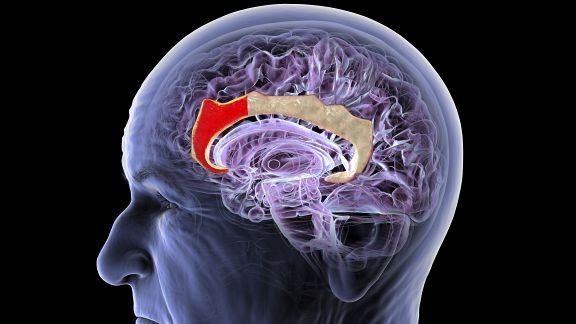
The emergence of Gestala follows a surge of high-level interest in non-invasive neural tech, most notably highlighted by OpenAI’s recent investment in Merge Labs. While traditional ultrasound is a clinical staple for fetal monitoring and organ imaging, Gestala leverages focused sound waves to target deep brain structures. This method offers a non-surgical alternative to electrode implants, with the potential to treat chronic pain, depression, and neurological disorders by precisely stimulating areas like the anterior cingulate cortex—a region vital to the emotional processing of pain.
From Clinical Benchtops to Home-Based Wearables
Gestala’s development roadmap features a two-tier hardware strategy. The initial phase involves a stationary benchtop machine designed for clinical use, where patients receive targeted treatments under medical supervision. Pilot studies indicate that stimulating specific neural pathways can reduce chronic pain intensity for up to seven days. The company’s second-generation vision, however, is far more ambitious: a wearable helmet that allows patients to manage conditions such as Alzheimer’s, stroke rehabilitation, and sleep disorders from their own homes under remote physician guidance.
Decoding the Brain via Hemodynamics
Unlike Neuralink, which captures the rapid electrical firing of neurons, Gestala’s interface monitors changes in cerebral blood flow. Peng, the former CEO of the implant-focused firm NeuroXess, argues that ultrasound provides a more comprehensive perspective of brain activity. “Electrical BCIs typically record from localized areas like the motor cortex,” Peng explained. “Ultrasound appears to offer the capability to access the entire brain.” This holistic approach is reflected in the company’s name, derived from Gestalt psychology, emphasizing that the integrated function of the brain is greater than its individual parts.
Overcoming the Biological Barrier: The Skull Challenge
Despite the transformative potential, significant engineering hurdles persist. Maximilian Riesenhuber, a professor of neuroscience at Georgetown University, points out that the human skull naturally distorts and weakens ultrasound signals. Historically, high-fidelity neural reading via ultrasound has required “cranial windows”—removing a piece of bone to allow waves to pass through. Furthermore, because blood flow shifts are slower than electrical impulses, ultrasound may face latency issues in applications requiring real-time speed, such as speech synthesis or direct interaction with AI models.
While competitors like Merge Labs explore the frontiers of human “enhancement” and AI-human connection, Gestala remains rooted in clinical restoration. The company’s primary objective is to stabilize neural functions and provide a non-invasive lifeline for those suffering from debilitating mental and physical conditions, rather than seeking to augment healthy human capabilities.