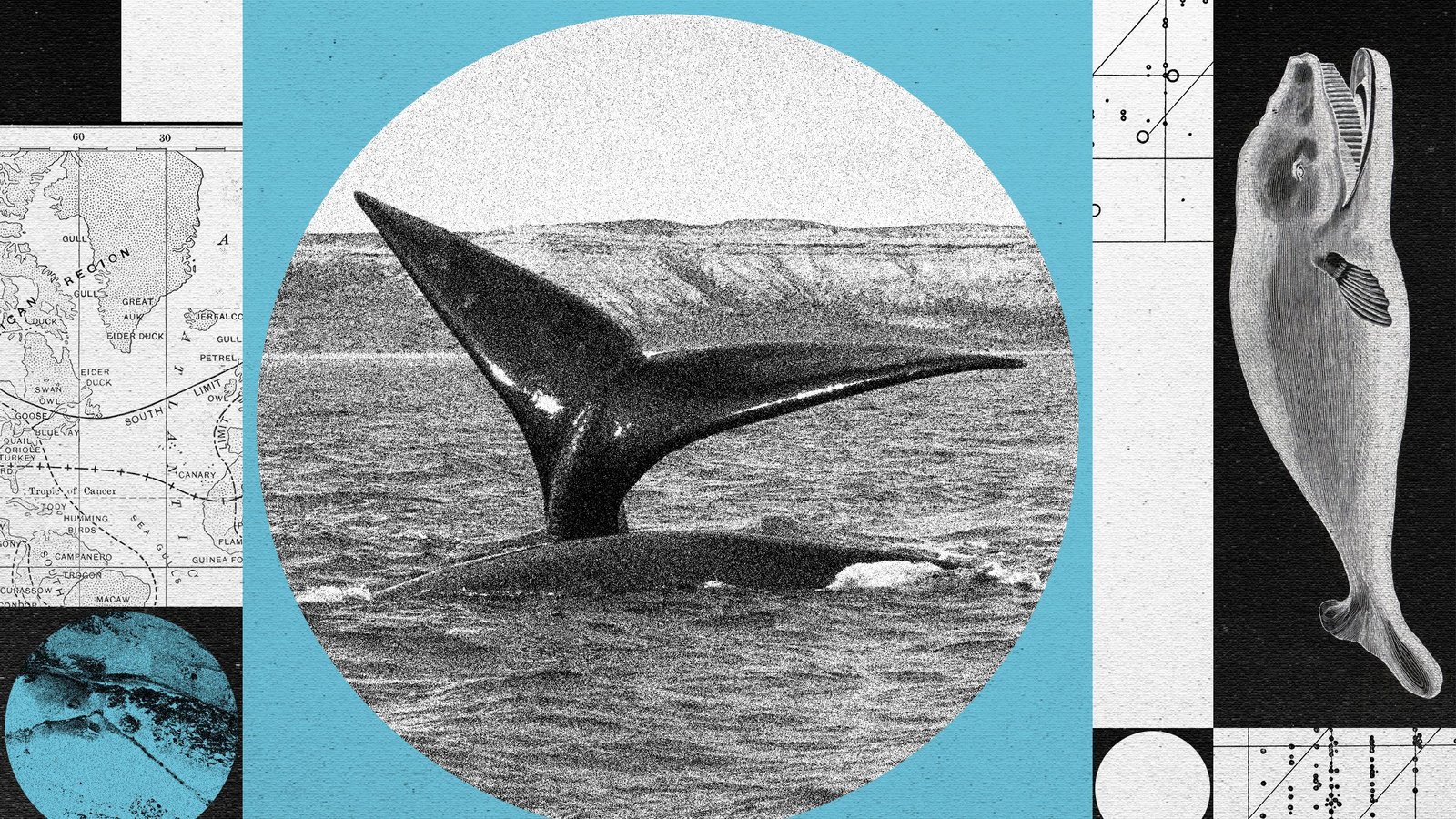
In a historic surge for one of the world’s most endangered marine mammals, researchers documented 21 North Atlantic right whale calves during the 2024-2025 calving season, signaling a critical window for conservation efforts as the population hovers at just 384 individuals. This unexpected biological boom, recorded between mid-November and mid-April, represents a significant uptick from the 11 births documented the previous year, providing a rare moment of optimism for scientists monitoring the species’ precarious journey back from the brink of extinction.
The Return of Callosity Back: A 19-Year Survival Story
Among the new arrivals, one mother stands out as a symbol of resilience. Known as “Callosity Back” due to unique patches of thick, white, rough tissue located unusually on her back rather than her head, this whale returned to Florida’s central-eastern coast on New Year’s Eve 2025. Researcher Albert, who had waited nearly two decades to see this specific individual as a mother, observed the pair alongside the Florida Fish and Wildlife Conservation Commission. Callosity Back herself was born a survivor; her mother is one of only two right whales ever recorded giving birth in the frigid northeastern waters—a dangerous environment for calves born without protective blubber.
A Population Under Siege: The Math of Extinction
Despite the current flurry of births, the long-term outlook for the North Atlantic right whale remains dire. Once numbering in the thousands, the population was decimated by commercial whaling in the 18th and 19th centuries. Today, the species faces modern threats that prevent a full recovery. Phil Hamilton, a senior scientist at the New England Aquarium, notes that while exceeding 18 births was rare in the 1980s and 1990s, a single bad season can negate these gains. In 2017, for instance, 18 whales died in just six months due to human-related causes, including the tragic death of rescuer Joe Howlett during a disentanglement operation.
Human Hazards: Entanglements and Vessel Strikes
The survival of the 21 new calves depends heavily on mitigating human impact. Currently, a male whale named Division illustrates the ongoing crisis; he was recently spotted entangled in heavy fishing lines that have sliced into his blowhole. Tonya Wimmer, director of conservation at the Marine Animal Response Society, warns that even when gear is partially removed, secondary infections from sea lice and physical emaciation threaten his life. The emotional toll on the scientific community is immense, leading many to experience “compassion fatigue” as they document a species with a history of tragic endings.
Innovation in Conservation: 3D Modeling and Dynamic Management
To better protect the remaining population, the New England Aquarium utilizes a massive catalog of millions of records to track individual health. Hamilton and his team are now implementing photogrammetry—stitching photographs together to create 3D models—to assess female whale health and detect pregnancies early. This data, combined with hormone analysis from fecal samples, allows for more precise monitoring of the species’ reproductive potential and overall physical condition.
The Tragic Legacy of Pilgrim’s Calf
The volatility of right whale conservation is best captured by the story of Pilgrim’s calf. Photographed as a newborn by volunteer Joel Cohen in 2022, the young female returned to Florida a year later as a healthy juvenile. However, just nine days after she was seen entertaining crowds from the shore, her carcass was discovered off the coast of Georgia. A necropsy revealed fatal skull fractures caused by a vessel strike. This loss underscores why conservationists demand stricter regulations for ship speeds and proximity to sighted animals.
Pathways to Recovery: Resilience and Regulation
Hope persists through significant regulatory shifts and technological advancements. Canada has implemented dynamic fishing management, which mandates the immediate removal of fishing gear when whales are detected in an area. Additionally, torpedo-shaped “gliders” now patrol the oceans, using acoustic technology to track whale movements and alert shipping lanes to reduce vessel strikes. Cohen, despite the recurring nightmares stemming from past losses, remains confident in the species’ resilience. He points to mothers who lose calves but return to birth again years later as proof that if given the chance, the North Atlantic right whale can reclaim its place in the ocean.