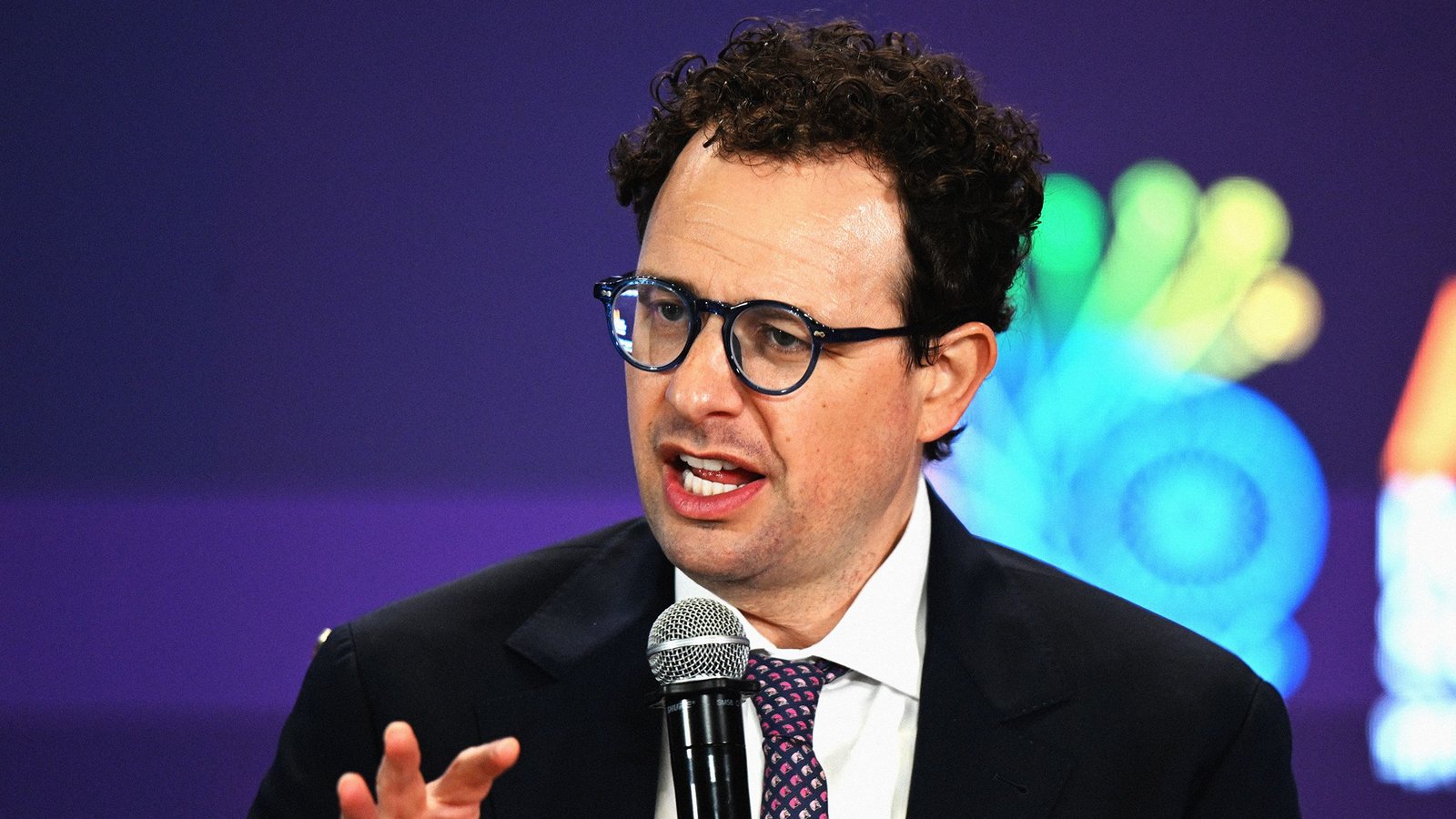
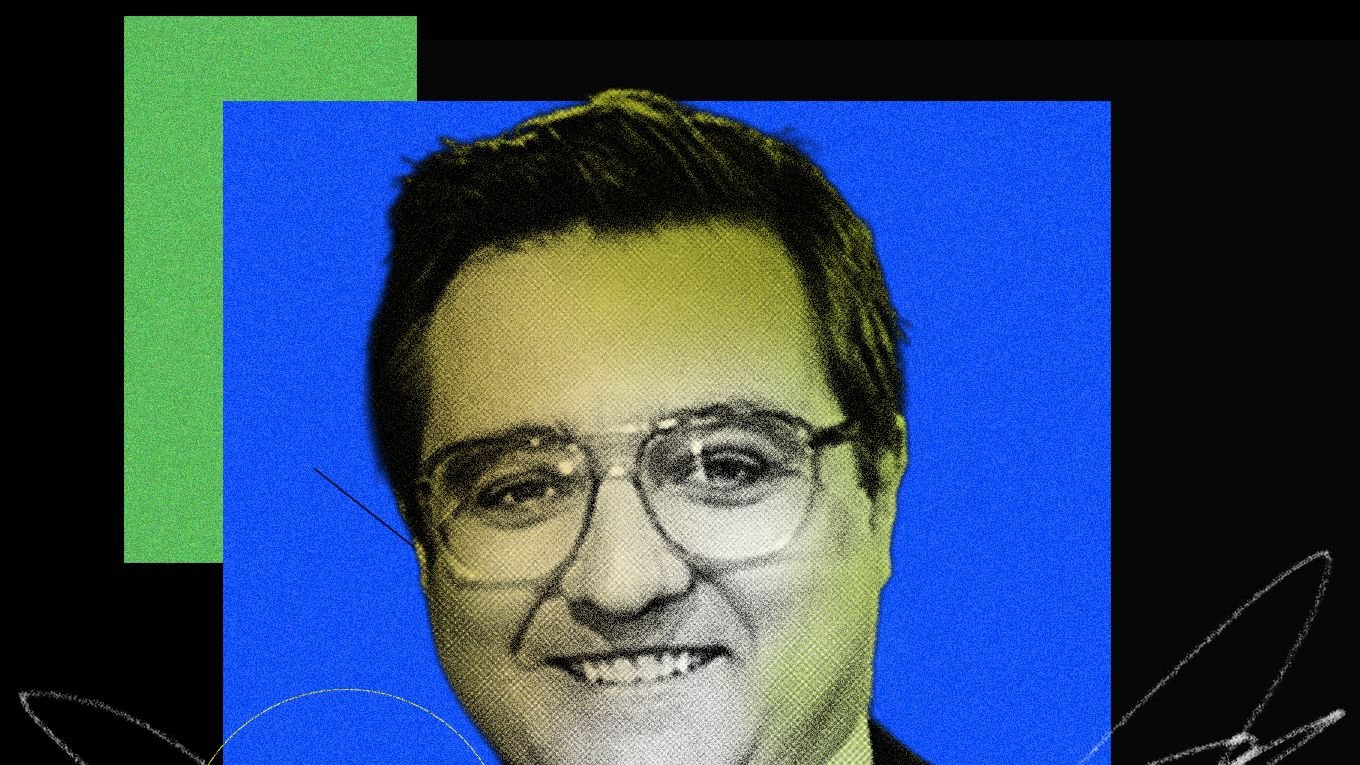
Journalist and MSNBC host Chris Hayes argues that focus has superseded labor as the defining resource of the modern age, a shift that is fundamentally reshaping global conflict, domestic politics, and the labor market. Speaking in New York during the second season of The Big Interview, Hayes detailed the core thesis of his latest book, The Sirens’ Call: How Attention Became the World’s Most Endangered Resource, explaining how the “attention economy” now dictates the terms of everything from military strikes to the survival of the middle class.
The Weaponization of Focus: Imperialism as Viral Content
The current geopolitical landscape serves as a grim laboratory for Hayes’ theories. Analyzing the rapid escalation of conflicts involving the United States, Israel, and Iran, Hayes posits that modern warfare is no longer just about territorial conquest—it is about capturing the global “doomscroll.” He describes the Trump administration’s military maneuvers as a form of “imperialism performed as content,” tailored specifically for vertical video and social media engagement.
Hayes highlights how military actions are increasingly produced with a “Tom Clancy” aesthetic, utilizing high-seas drama to dominate news cycles. “They perform aggression, war, and foreign policy all as means of gaining attention,” Hayes noted, pointing to the tragic reality where real-world casualties become secondary to the president’s need to remain at the center of the national conversation. This “postmodern, vertical video version of imperialism” mirrors the yellow journalism of the 19th century but is now amplified by “tech steroids.”
The Democratic Dilemma: Messaging vs. Reach
Turning his analytical lens toward domestic elections, Hayes identified a critical fracture in how political parties command public interest. Data from the 2024 cycle suggests that while high-information voters leaned toward Democratic candidates like Kamala Harris, the party struggled with the “attention deficit” of the broader electorate.
Hayes argues that the traditional “paint-by-numbers” campaign strategy—raising money to buy local TV ads—is obsolete. As the “earned media” landscape shifts toward podcasters and viral stunts, politicians must develop a sophisticated theory of attention to reach voters who have opted out of traditional news consumption. He cited figures like Zohran Mamdani as innovators in using vertical video to bypass traditional gatekeepers, suggesting that the ability to “become known” in a fragmented digital space is now a prerequisite for political survival.
From Insurgents to Incumbents: The Right-Wing Shift of Silicon Valley
The relationship between Washington and Silicon Valley has undergone a radical transformation, moving from a “rebellious counterculture” to a cozy alliance with the executive branch. Hayes observed that as the tech industry matured, its leaders transitioned from insurgents to incumbents, often adopting right-wing ideologies to protect their massive profits and “AI bets.”
This ideological shift is most visible in the “existential” relationship between AI startups and the state. Hayes expressed deep concern over the proximity of tech elites like Sam Altman to the Pentagon, citing the recent scramble for military contracts as a threat to ethical decision-making. “People with very powerful technology are banking on making a world-changing fortune while trailing ‘Pac-Man ghosts’ of financial burden,” Hayes warned, suggesting that the pressure to recoup billions in investment may lead to reckless collaboration with government power.
The AI Reality Check: Why the Left Must Prepare for Automation
Despite the skepticism surrounding “AI hype,” Hayes urges a sober assessment of the technology’s potential to replace human labor. He identifies as a “lame centrist” in the AI debate, acknowledging both the utility of Large Language Models (LLMs) and the “profound dislocation” they may cause in professional sectors like coding, law, and administration.
Hayes argues that the left must stop dismissing AI as mere propaganda and start advocating for tangible job protections. “If these jobs are automatable, what do we want people to be doing?” he asked, calling for a return to first-principle thinking regarding how society orders itself fairly in an era where capital increasingly replaces labor.
Control, Alt, Delete: Reclaiming the Tech Experience
In a concluding reflection on personal technology, Hayes shared a specific vision for improving our digital lives. His priorities for reform include:
- Control: Hayes would take the reins of AI development to ensure a more humane and ethical implementation than current “attention merchants” provide.
- Alt (Alter): He advocates for a total overhaul of internet search. Hayes notes that the quality of Google Search has degraded to the point of being “displaced by AI boxes and ads,” making it nearly impossible to find obscure historical data.
- Delete: Hayes would eradicate current cellular voice technology in favor of “landline-quality” calls. He specifically highlighted the loss of “side tone”—the ability to hear one’s own voice in the receiver—as the reason cell phone conversations feel disconnected and why people tend to shout during calls.
Ultimately, Hayes’ analysis suggests that while technology has provided unprecedented tools for connection, it has also created an environment where our most valuable resource—our attention—is constantly under siege by those seeking power and profit.