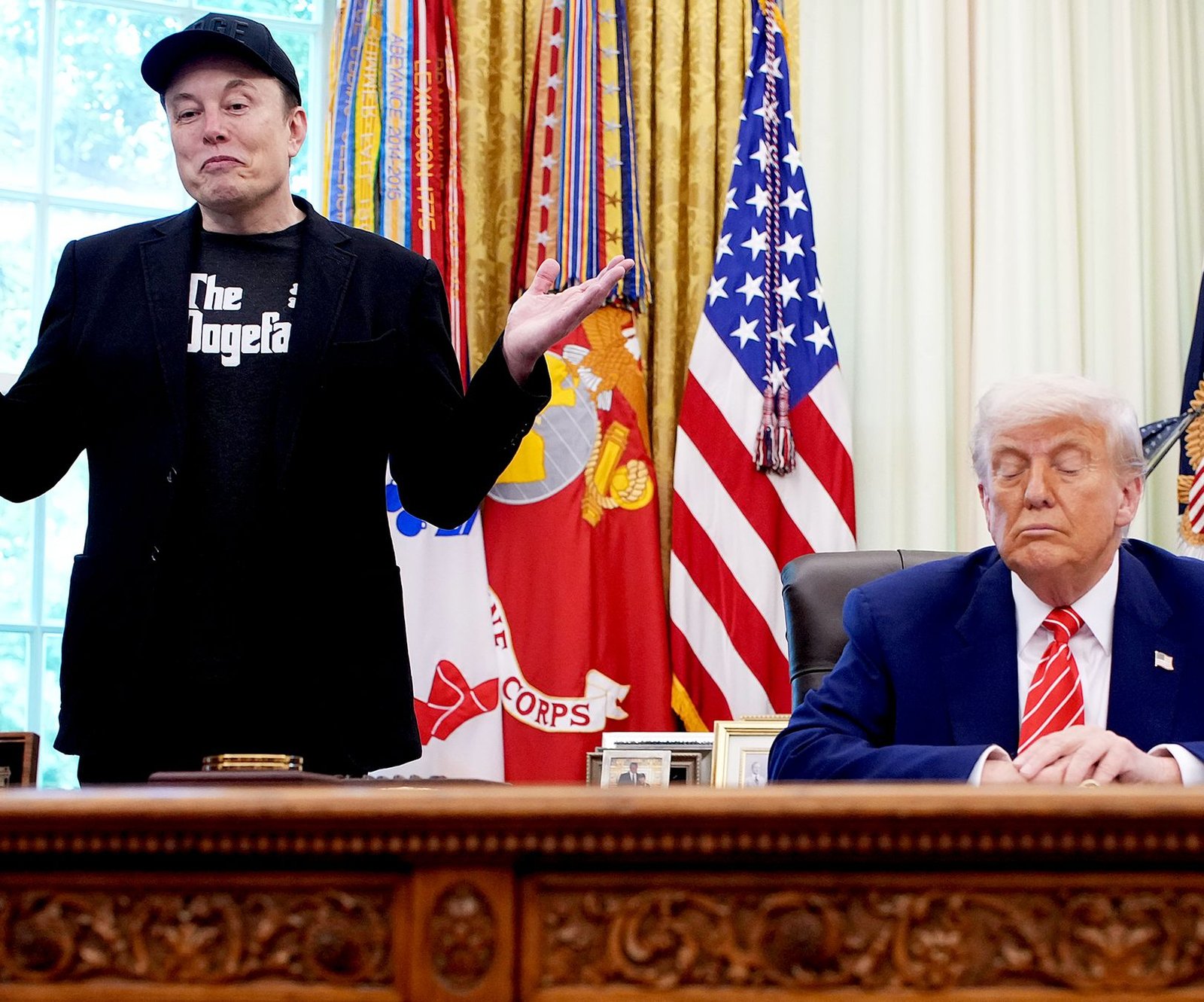
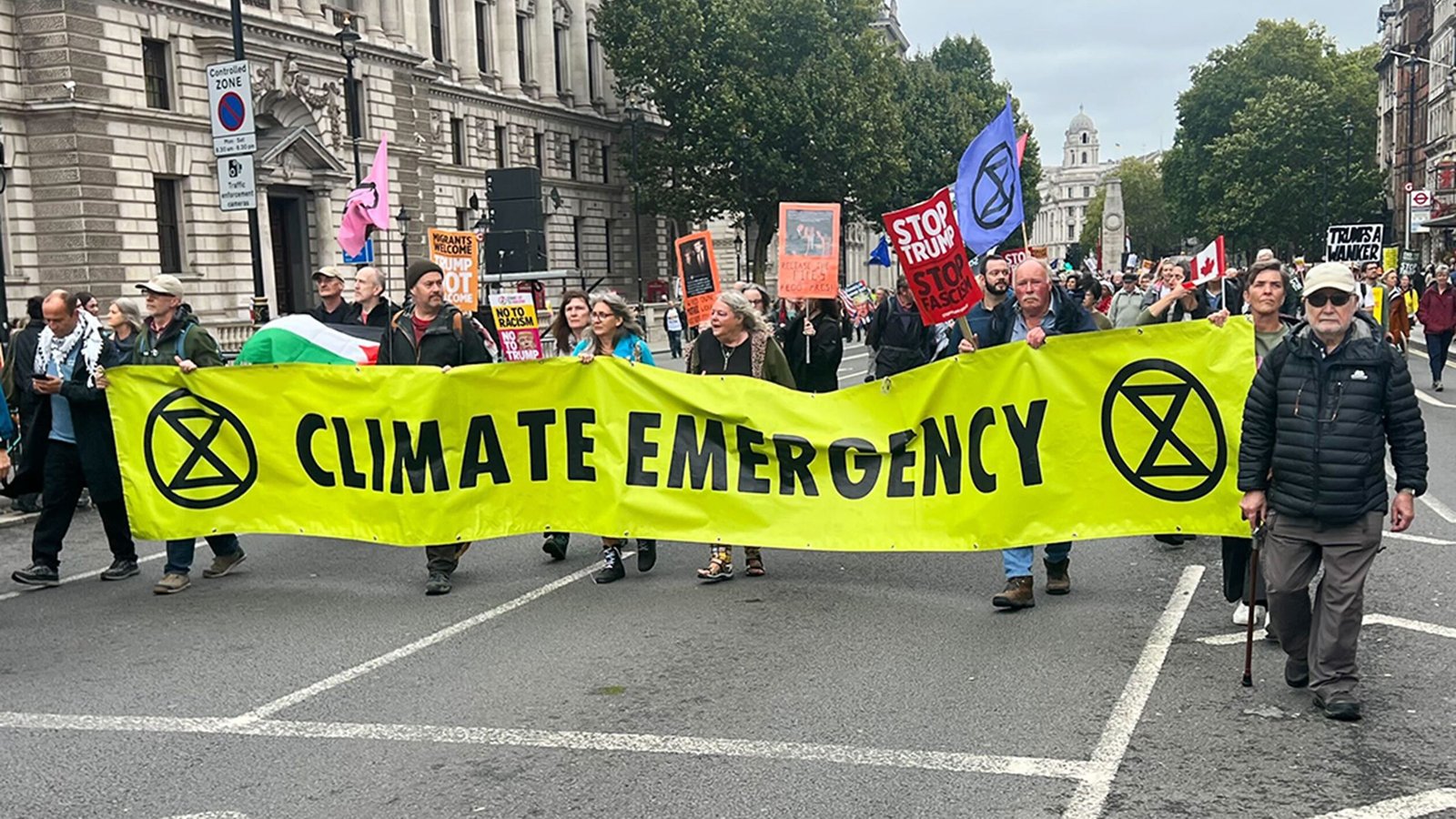
Thousands of activists descended on London and Windsor this week to protest Donald Trump’s second state visit, specifically targeting a secretive $45 billion artificial intelligence infrastructure deal between the United States and the United Kingdom. While the diplomatic proceedings remained largely behind the closed gates of Windsor Castle, the streets of the capital erupted with demonstrations fueled by concerns over environmental degradation, corporate monopolies, and a perceived lack of government transparency.
Windsor Castle Projections and the “Led by Donkeys” Campaign
Protesters utilized high-visibility tactics to ensure their message reached the President. In Windsor, authorities arrested four men associated with the advocacy group Led by Donkeys after they projected massive images of Donald Trump, First Lady Melania Trump, and the late financier Jeffrey Epstein onto the castle walls. The group reportedly operated the projector from a nearby hotel, bypassing the heavy security perimeter established for the private state visit.
In London, the atmosphere mirrored the 2018 protests, with imagery referencing the famous “Trump Baby” balloon. Banners labeled the President a “tiny dicktator” and accused his administration of “poisoning democracy’s blood.” While the march drew diverse groups supporting various causes—including Ukraine and Palestine—the central focus for many was the sudden announcement of a massive technological partnership that critics label as “naive” and “dangerous.”
The $45 Billion “Shadow” Deal: Nvidia and Microsoft Under Fire
The core of the public’s ire stems from a massive AI investment involving industry titans Nvidia and Microsoft. The deal aims to scale data centers, supercomputers, and AI research and development across Britain. However, the specific terms of the agreement remain shielded from public view, sparking accusations of backroom deal-making.
At the center of this expansion is Nscale, a British startup specializing in data center construction. Nvidia CEO Jensen Huang projects that this infusion of capital will generate over $68 billion in revenue within six years. Despite these lucrative forecasts, skeptics argue the deal benefits American “tech barons” more than the British public.
“We have not seen the text of the deal,” warned Nick Dearden, director of Global Justice Now and spokesperson for the Stop Trump Coalition. “We don’t know what we have given away. Tech barons accompanying Trump want us to drop regulation and the digital services tax to make it easier for them to form even larger monopolies.”
Environmental Alarms: Data Centers vs. Climate Goals
Environmental advocacy groups, including Greenpeace and Extinction Rebellion, have joined the opposition, citing the staggering resource requirements of AI infrastructure. Data centers are notorious for their high consumption of electricity and water, often straining local grids and ecosystems.
Doug Parr, Chief Scientist at Greenpeace UK, emphasized that the government must move beyond “cheerleading” for the AI sector. “The multibillion-pound tech giants building these centers should be forced to take responsibility for funding solutions, whether it’s cooling methods using much less water or running on new, clean renewable power,” Parr stated.
Protesters like Clive Teague of Extinction Rebellion Waverley and Borders echoed these sentiments, noting that AI expansion must not rely on fossil fuels. “We can’t keep burning fossil fuels to feed these data centers; it will swamp the energy requirements for the rest of the world,” Teague remarked.
Sovereignty at Risk: Critics Warn of “Technocratic Naivety”
The narrative that this U.S. investment will foster “British sovereign AI” is facing intense scrutiny. Theodora Sutcliffe of Tesla Takedown UK described the government’s stance as fundamentally flawed. She argued that the U.K. should focus on home-grown industries—such as existing self-driving car companies and computer labs—to maintain regulatory control.
“Keir Starmer is a bit of a technocrat and a bit naive about technology; he’s probably thinking AI is going to fix things,” Sutcliffe said, standing behind a “Dump Tesla” banner. She and other demonstrators linked the rise of the far-right and billionaire profiteering directly to the current political climate, viewing the state visit as a “grave error” by the British government and the Royal Family.
As the state visit concludes, the clash between the government’s technological ambitions and public demand for accountability appears set to intensify. For many on the streets, the AI deal represents more than just an economic policy; it is a flashpoint for the broader struggle over national identity, environmental survival, and the influence of global tech giants on local democracy.