
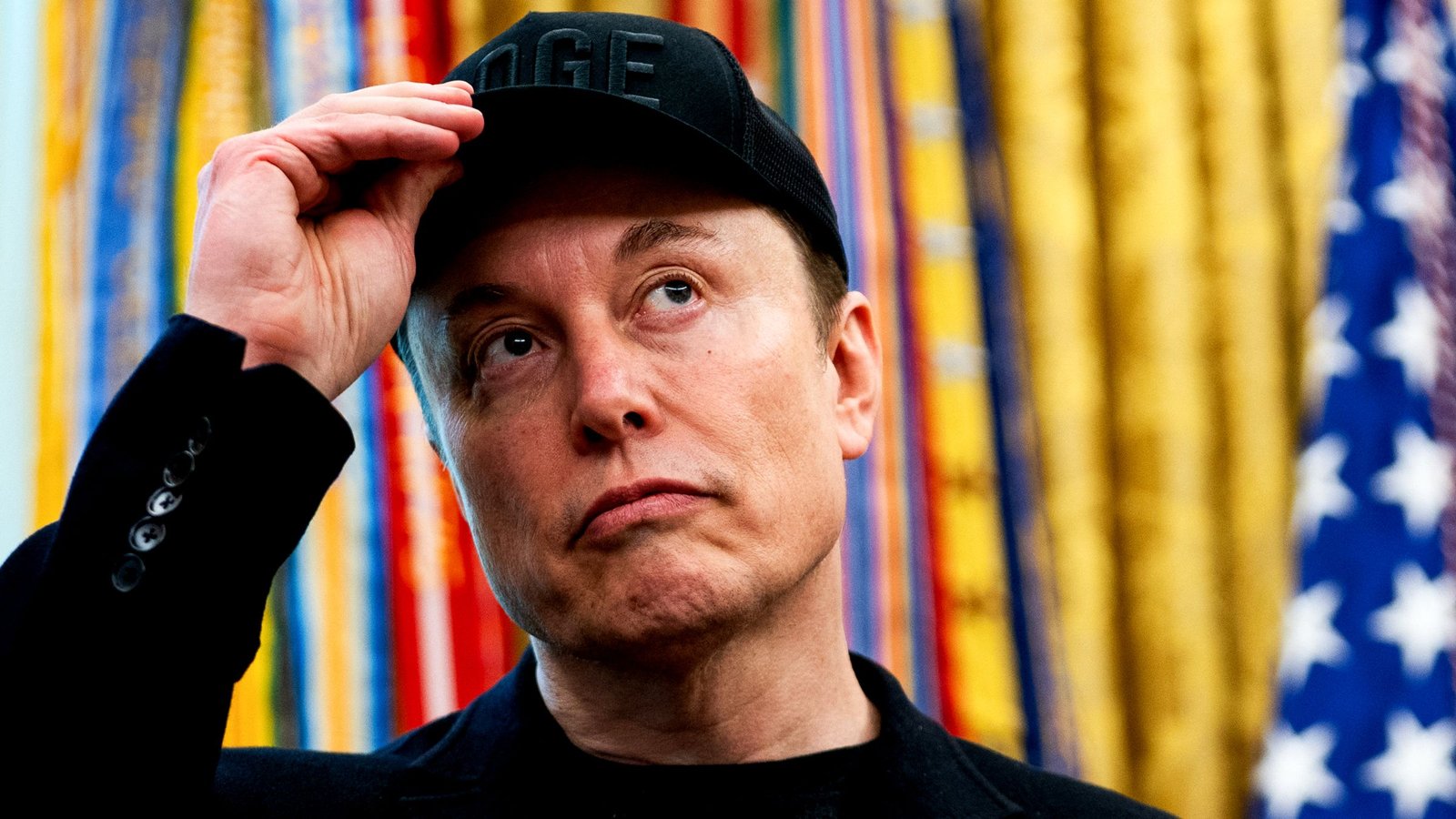
Elon Musk’s public defiance against President Donald Trump’s latest spending initiatives has placed approximately $48 billion in federal contracts for SpaceX and Tesla at risk, transforming a high-profile political alliance into a volatile business liability. The friction centers on the “One Big Beautiful Bill Act,” a legislative package supported by the White House that aims to cut taxes and fund border security but is projected to add $3 trillion to the national debt—a figure Musk warns will lead to the country’s “de facto bankruptcy.”
The Financial Standoff: Debt Warnings vs. Federal Revenue
The escalating tension between the billionaire and the administration has immediate financial implications. The $48 billion in outstanding government contracts held by Musk’s ventures represents roughly 2% of the projected deficit generated by the new spending bill. While the federal government maintains the authority to terminate contracts “for convenience” due to shifting priorities or budget constraints, severing ties with Musk’s companies would disrupt critical operations across defense, space exploration, and national infrastructure.
The market reacted sharply to the deteriorating relationship. Tesla shares plummeted more than 14% on Thursday, erasing $152 billion in market capitalization. Although the stock has seen a partial recovery, the volatility underscores the risks facing Musk’s empire as his role shifts from a key White House adviser to a vocal critic of administration policy.
SpaceX: An Indispensable Military and Research Partner
SpaceX remains the cornerstone of Musk’s federal portfolio, with the U.S. government relying heavily on the private aerospace firm for mission-critical services. NASA and the U.S. military are currently slated to pay SpaceX approximately $34 billion for rocket-related projects, including satellite launches essential for secure communications, global positioning (GPS), and intelligence gathering.
Market Dominance Limits Government Alternatives
Despite the political friction, the U.S. government faces a lack of viable alternatives. SpaceX has dominated the aerospace sector, accounting for 134 of the 166 orbital launches in the U.S. so far this year. While competitors exist, they have struggled with technical setbacks, leaving SpaceX as the primary provider for high-stakes missions. Musk recently projected that SpaceX would generate $15.5 billion in revenue this year, nearly doubling figures from two years ago.
In addition to launch services, the government is committed to roughly $14 billion for Starlink internet services. These contracts span numerous federal offices, including Department of Interior facilities. While some of this funding remains subject to congressional approval, the sheer scale of integration makes a rapid pivot to other providers logistically challenging.
Collateral Damage: Tesla, Boring Co, and Regulatory Retribution
The fallout extends beyond aerospace. Tesla’s involvement in the federal fleet—which includes 7,706 battery-electric vehicles—is under pressure after the Trump administration paused orders for new zero-emission vehicles. Potential deals for Tesla to provide armored vehicles to the State Department and for The Boring Company to assist with Amtrak tunnel projects are now in jeopardy.
Furthermore, Musk faces significant legal and regulatory exposure. Congressional estimates from January suggest that federal investigations and potential litigation into his companies could result in at least $2.37 billion in penalties if the administration pursues aggressive retribution for his recent attacks on the spending bill.
The DOGE Legacy and the New Era of Austerity
The current conflict follows Musk’s brief tenure leading the Department of Government Efficiency (DOGE), where he claimed to have achieved $180 billion in savings by canceling contracts and implementing hiring freezes. However, those figures remain heavily disputed and faced significant resistance from labor unions, federal courts, and members of Trump’s own cabinet. Musk recently stepped away from DOGE to focus on his private enterprises, yet the administration’s drive for aggressive cost-cutting continues.
As federal agencies face increasing pressure to stretch budgets, the future of Musk’s $48 billion in contracts hinges on whether his companies are deemed too essential to fail or too politically costly to maintain. Neither Musk nor the White House has issued a formal statement regarding the current status of these agreements.