
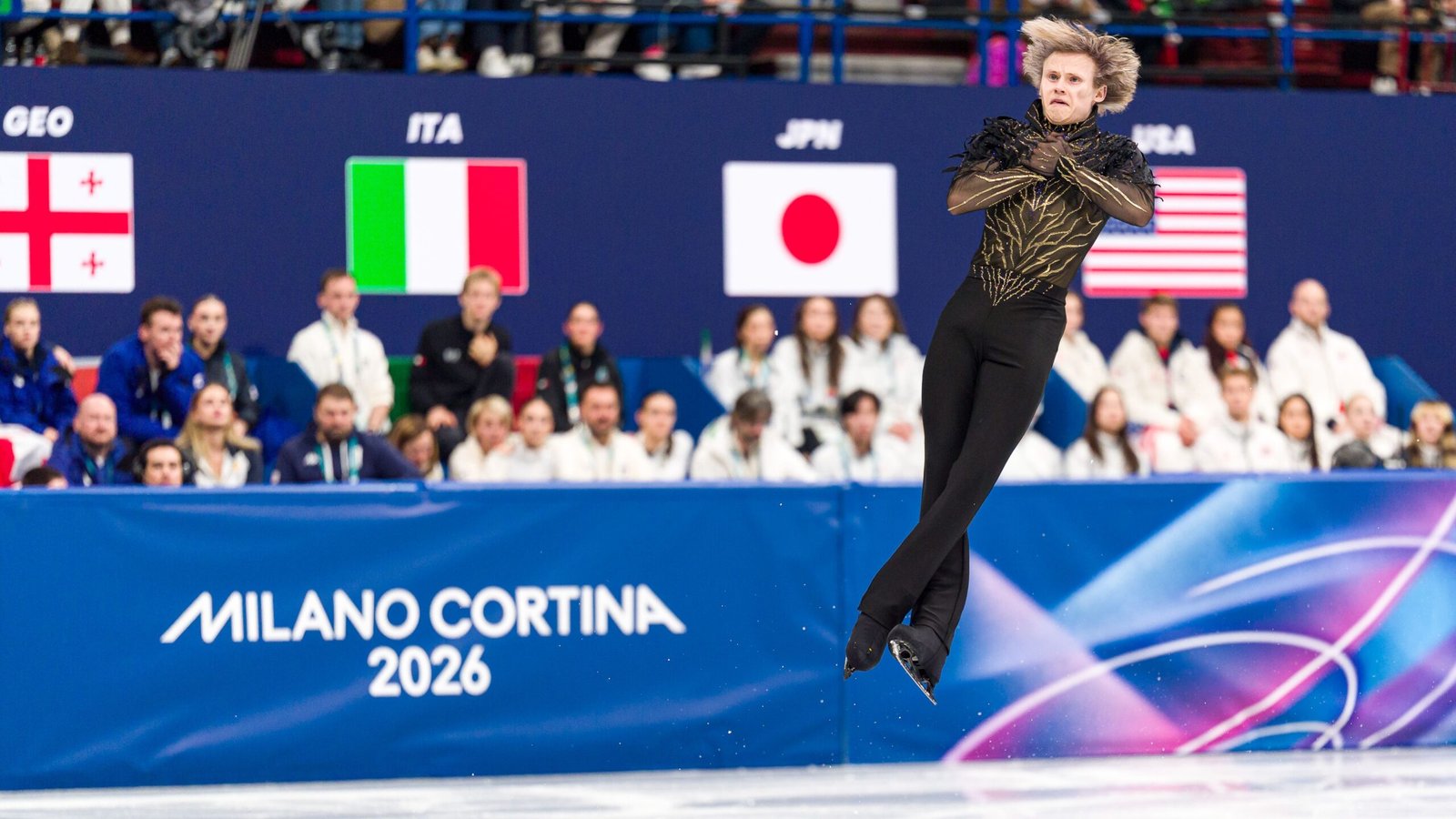
A 2024 study published in the journal Sports Biomechanics reveals that achieving a vertical height of approximately 20 inches is the definitive mechanical requirement for landing the quadruple axel, the most formidable jump in figure skating. Conducted by researcher Seiji Hirosawa of Toin University, the analysis utilizes high-precision tracking data to decode how elite athletes navigate the physics of four and a half mid-air rotations.
The Scoring Stakes of Technical Perfection
Under the current judging criteria—which will govern the upcoming Milano Cortina Games—a panel consisting of two technical specialists and a technical controller evaluates every element. Technical elements such as jumps, spins, and footwork sequences receive specific base values. However, the scoring hierarchy heavily favors high-difficulty maneuvers. Quadruple jumps carry significantly higher point potential than triples, forcing skaters to master these high-risk elements to remain competitive on the global stage.
The Axel: A Unique Mechanical Challenge
Named after Norwegian skater Axel Paulsen, the axel stands as the most technically demanding jump in the sport’s repertoire. Unlike the toe, blade, or edge jumps, the axel is the only maneuver initiated from a forward-facing position. This orientation necessitates an additional half-turn to facilitate a backward landing. Consequently, a “quadruple” axel actually requires four and a half complete revolutions, making its execution a peak achievement in human kinematics.
Verticality Over Rotation: A New Biomechanical Paradigm
To identify the specific strategies required for success, Hirosawa analyzed competition footage of two skaters using the Ice Scope tracking system. This technology allowed researchers to measure critical variables: vertical displacement, horizontal travel, and velocity both before the takeoff and following the landing.
Contrary to previous biomechanical theories suggesting that jump height remains relatively static across different rotation counts, Hirosawa’s findings highlight a “strategic shift.” The data proves that successful quadruple axels demand significantly greater vertical height compared to triple axels. This increased elevation is not merely aesthetic; it provides the essential flight time required to complete the longitudinal rotations.
Implications for Elite Training and Performance
The research concludes that “jumping higher to turn more” is the fundamental physical law governing the 4A. By prioritizing vertical power, skaters can manage the extreme complexity of the jump’s rotation requirements. While these findings provide a roadmap for training strategies and update long-standing figure skating theories, the practical execution remains one of the greatest challenges in sports—a feat currently epitomized by the consistency of Ilia Malinin, the only skater to master the jump in high-stakes competition.