
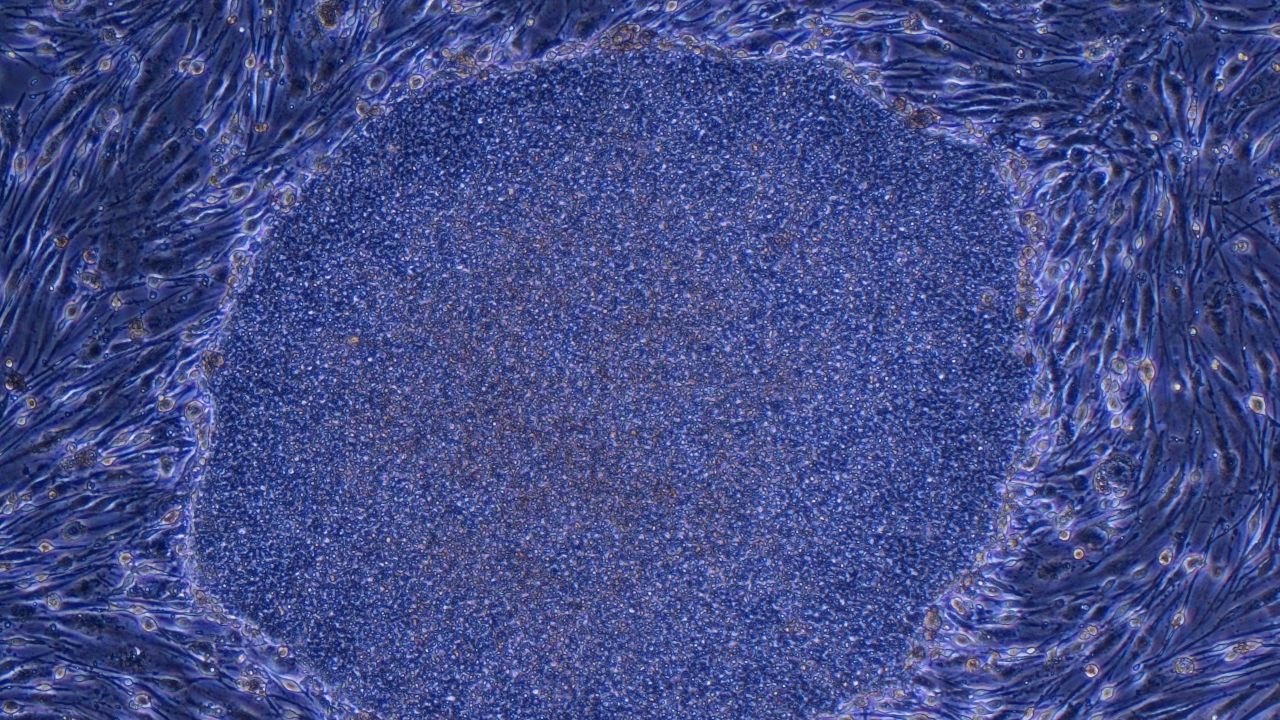
The Japanese Ministry of Health, Labor, and Welfare has authorized the world’s first commercial treatments utilizing induced pluripotent stem (iPS) cells, signifying a revolutionary shift in regenerative medicine. These landmark approvals target severe heart failure and Parkinson’s disease, marking the transition of reprogrammed cell technology from specialized laboratory research to standard clinical practice exactly twenty years after the initial discovery of mouse iPS cells.
The Science of Reprogramming: What Are iPS Cells?
Induced pluripotent stem cells represent a breakthrough in biotechnology where adult cells—typically sourced from skin or blood—undergo genetic reprogramming to mirror the characteristics of embryonic stem cells. These cells possess the unique capability to divide indefinitely and differentiate into any cell type within the human body. This versatility allows researchers to develop personalized regenerative therapies and test new pharmaceuticals without the ethical complications traditionally associated with embryonic stem cell research.
Shinya Yamanaka, director emeritus of the iPS Cell Research Institute at Kyoto University and a Nobel laureate, emphasized the gravity of this milestone. He noted that while the social application of this technology is a major achievement, maintaining scientific caution remains vital. Yamanaka stressed that establishing these procedures as universal medical treatments requires rigorous verification of safety and efficacy through expanded case studies.
ReHeart: A New Horizon for Ischemic Cardiomyopathy
The first approved product, ReHeart, developed by the Osaka University-based startup Qualipse, offers a life-saving alternative for patients suffering from severe heart failure due to ischemic cardiomyopathy. This condition often leaves patients with few options beyond heart transplants or the installation of artificial hearts—both of which face significant hurdles such as donor shortages, age limits, and high risks of infection or neurological damage.
ReHeart consists of specialized heart cell sheets (cardiomyocytes) derived from the iPS cells of healthy donors. During a surgical procedure on the left side of the chest, surgeons attach three of these cell sheets directly to the surface of the heart. These transplanted cells secrete signaling proteins that stimulate tissue repair and enhance blood flow. In multicenter clinical trials involving eight patients, 50% showed significant improvement, with peak oxygen consumption (VO2 peak) increasing by more than 10% one year after the transplant.
Amusepri: Targeted Neural Restoration for Parkinson’s Disease
The second regulatory milestone involves Amusepri (generic name: laguneprocell), a collaborative development by Sumitomo Pharma and Racthera. This therapy addresses the root cause of Parkinson’s disease: the progressive loss of dopamine-producing neurons in the brain. Unlike traditional drug therapies like levodopa, which merely manage symptoms, Amusepri aims to physically replace the lost neural infrastructure.
Minimally Invasive Brain Implantation
The treatment utilizes precursor cells destined to become dopamine neurons, manufactured from donor iPS cells. Surgeons perform a minimally invasive procedure, drilling small holes into the skull to inject these progenitor cells directly into the brain’s targeted regions. Data from a Kyoto University Hospital trial revealed that four out of six patients experienced substantial improvements in their “off-time” motor symptoms 24 months post-transplant. Crucially, researchers confirmed that the transplanted cells remained viable in all participants throughout the study period.
Japan’s Strategic Lead in Regenerative Infrastructure
The approval of these therapies is the result of a deliberate, decade-long Japanese science policy. The nation has successfully integrated an entire supply chain, from the foundational technology established by Shinya Yamanaka to the creation of SMaRT (Suita City, Osaka), the world’s first commercial manufacturing facility dedicated to donor-derived iPS cell drugs. This facility utilizes proprietary purification and differentiation technologies developed through intense industry-academia collaboration, including contributions from institutions like Eisai and the Kyoto University iPS Cell Research Foundation.
Both ReHeart and Amusepri received “approval with conditions and timeframes.” This unique Japanese regulatory framework allows for the early deployment of regenerative medicines in exchange for mandatory post-marketing clinical trials. This system enables patients to access cutting-edge treatments while the manufacturers continue to gather long-term efficacy and safety data.
The Future of Insured Regenerative Medicine
While these approvals mark a historic first, the treatments are not yet available to the general public. They must first undergo the formal process for public health insurance coverage, a procedure expected to take between three to five months. Qualipse plans to begin sales of ReHeart by the fall of 2026, following a comprehensive study of 75 target patients.
Kenichiro Ueno, Minister of Health, Labor, and Welfare, expressed optimism that these Japanese-led innovations will eventually benefit patients globally. Jun Takahashi, director of the iPS Cell Research Institute, echoed this sentiment, stating that while the approval is a monumental step, it serves as the beginning—not the final goal—of a new era in human medicine.