Public health authorities in the United States and the United Kingdom are sounding the alarm as a highly infectious influenza A variant, known as Subclade K, triggers the most severe flu season in nearly a decade by partially bypassing established population immunity. The Centers for Disease Control and Prevention (CDC) has already classified the 2024-25 period as the most aggressive flu cycle since 2017-18, while British health officials report an outbreak pace unseen since 2003-04.
The Science Behind the ‘Super Flu’ Label
While headlines frequently use the term “super flu” to describe the current surge, medical professionals identify the pathogen as Subclade K—a specific evolution of the H3N2 influenza A virus. This variant features critical mutations in the hemagglutinin protein located on the virus’s surface. Because this protein acts as the primary target for the human immune system, these genetic shifts allow the virus to evade antibodies generated by previous infections or older vaccine formulations.
Data from the UK Health Security Agency underscores the dominance of this strain, revealing that Subclade K accounts for 87 percent of all H3N2 cases detected since late August 2025. Despite its rapid transmission, virologists emphasize that the “super” prefix refers to the virus’s ability to spread, rather than an increase in its individual lethality. The inherent danger of Subclade K remains consistent with conventional H3N2 strains, which historically impact the elderly and young children most severely.
Unprecedented Infection Timelines and Environmental Factors
The 2025 flu cycle has defied traditional seasonal patterns across the Northern Hemisphere. In the United States, the epidemic peaked in early February, with 87.3 percent of the country reporting active transmission. An anomalous 11-week period of high-intensity activity resulted in 287 pediatric deaths, a figure that reflects the massive scale of the outbreak rather than a change in the virus’s virulence.
In Japan, the Ministry of Health, Labor, and Welfare noted that the epidemic began in earnest as early as September—months ahead of the typical December peak. Out of 23 analyzable H3 virus strains collected during the autumn months, 22 were confirmed as Subclade K. Epidemiologists attribute this early onset to two primary factors:
- The Immunity Gap: Three years of social distancing and masking during the COVID-19 pandemic significantly reduced general exposure to influenza, leaving the global population with diminished natural defenses.
- Environmental Stress: Record-breaking heat waves have been linked to a decline in general physical resilience, making individuals more susceptible to respiratory infections.
Vaccine Performance and Clinical Protection
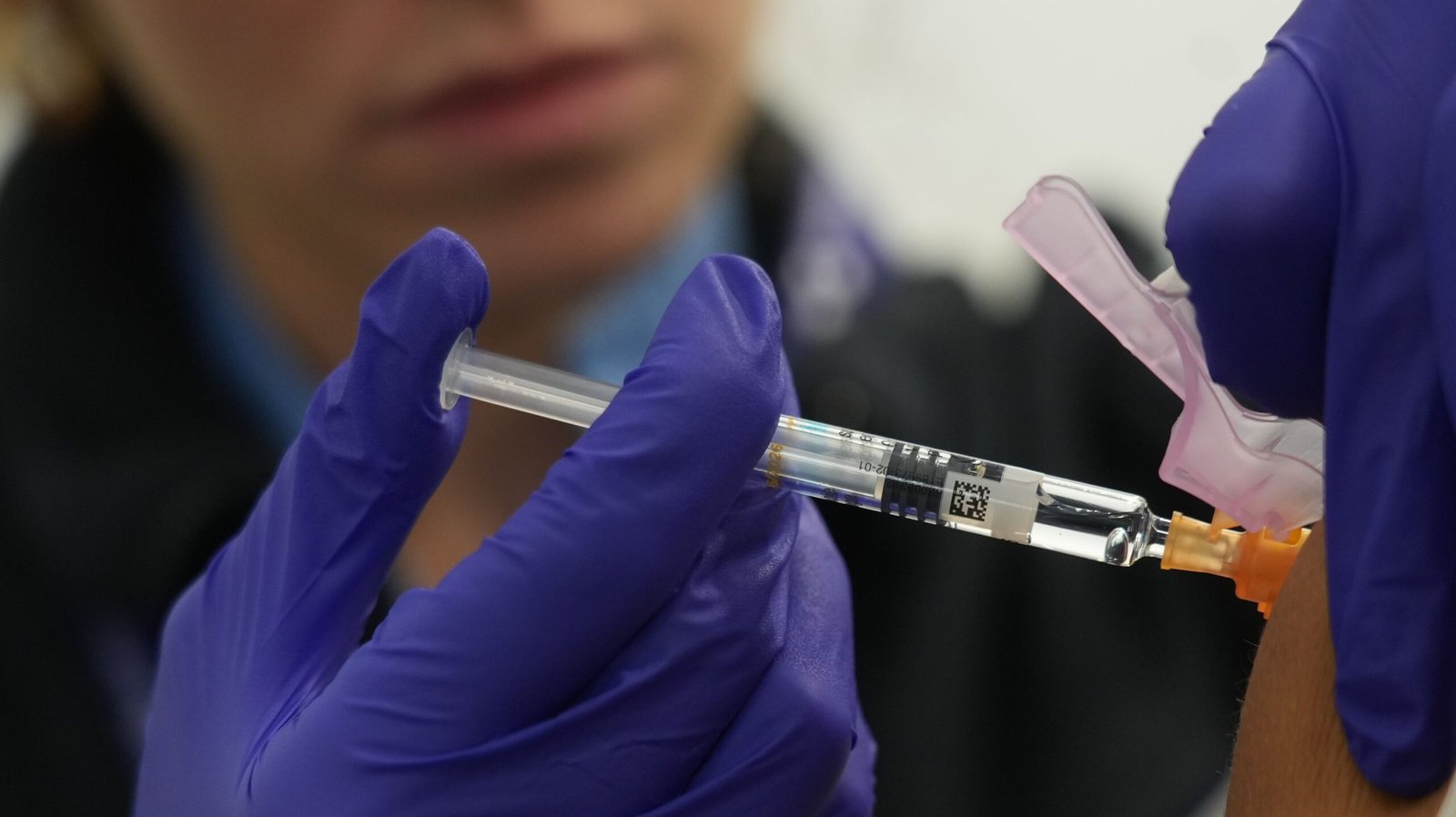
Questions regarding vaccine efficacy have surfaced because the 2025-26 flu shot was developed using the J.2 lineage, which differs antigenically from Subclade K. However, clinical data from the UK provides a reassuring outlook. Statistics show that the vaccine prevented emergency room visits or hospitalizations in 70-75 percent of vaccinated children and 30-40 percent of adults.
These figures demonstrate that even when a vaccine does not perfectly match a circulating strain, it provides “cross-protection” that effectively mitigates the risk of severe complications and death. Health officials continue to recommend vaccination for high-risk groups, including pregnant women, medical workers, and individuals with underlying chronic conditions.
Strategic Response and Treatment Protocols
Managing the Subclade K surge requires a combination of traditional hygiene and rapid clinical intervention. Because the virus thrives in stagnant air, maintaining proper indoor ventilation and humidity levels is essential for suppressing viral activity. If symptoms such as high fever or respiratory distress occur, medical consultation should ideally happen within 12 to 48 hours of onset.
Antiviral medications like Xofluza and Tamiflu remain highly effective against Subclade K if administered within the critical 48-hour window. To prevent further community spread, infected individuals should observe a strict recovery period: five days of isolation following the onset of symptoms, and at least 48 to 72 hours of remaining at home after a fever has naturally subsided. In a landscape of consecutive high-severity seasons, these evidence-based actions serve as the primary defense for public health stability.