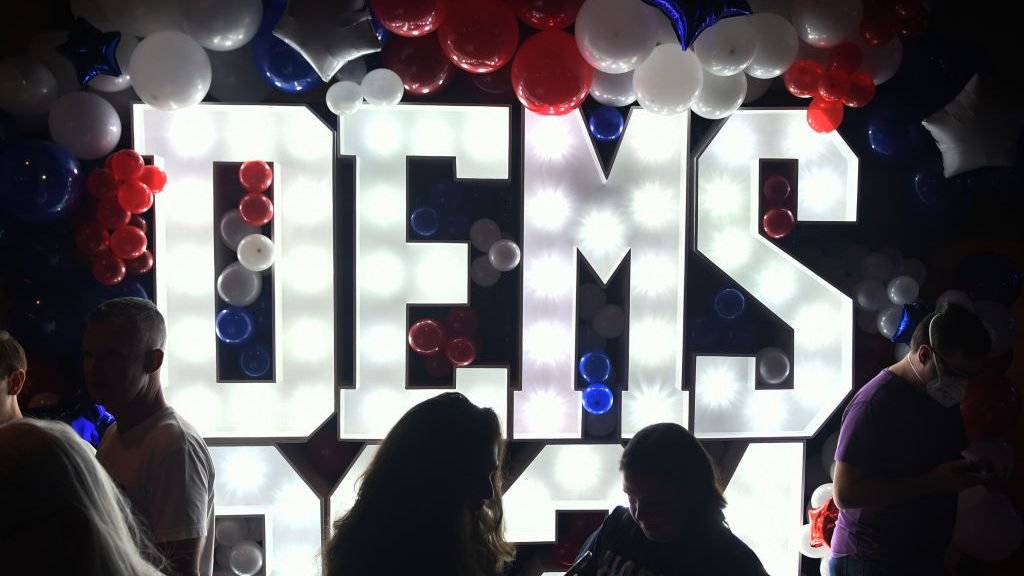
One year after Donald Trump’s return to power, the Democratic Party remains paralyzed by a rigid digital strategy that prioritizes institutional control over the authentic, high-risk content required to dominate the modern social media landscape. Despite internal “lessons learned” memos and multimillion-dollar investments in influencer programs, party insiders warn that the establishment continues to stifle the very innovation needed to counter right-wing digital dominance.
Institutional Rigidity Stifles Political Innovation
Democratic digital programs currently struggle with a fundamental paradox: a desperate need for authenticity that constantly clashes with a centralized demand for message discipline. This aversion to risk creates a vacuum where creative staffers feel silenced. “I can’t, for the life of me, figure out why we are still so rigid and moderating everything when we have nothing to lose for the first time,” stated one Democratic digital strategist who requested anonymity. The strategist emphasized that while the threats of a right-wing takeover are realized, the party’s tactics remain frozen in a defensive posture.
The Failure of ‘MSNBC-Lite’ Content
The Democratic National Committee (DNC) attempted to bridge the gap in June with the launch of The Daily Blueprint, a YouTube show featuring news headlines and official interviews. DNC Chair Ken Martin framed the project as a commitment to innovating within the new media landscape. However, the results tell a different story. Hosted by DNC deputy communications director Hannah Muldavin, the show has generated a meager 16,000 total views across more than 100 episodes—a statistical insignificance in the era of viral politics.
While a DNC spokesperson defended the program by citing “enormous follower growth” and 3.8 billion impressions across TikTok and Instagram since January, critics argue these metrics mask a lack of genuine engagement. Many strategists view The Daily Blueprint as emblematic of the party’s tendency to promote its least effective communicators. Similarly, highly-produced videos from Senate Minority Leader Chuck Schumer have failed to gain traction outside the “Washington bubble,” prompting Ravi Mangla of the Working Families Party to question the establishment’s willingness to “throw shit against the wall” during a national crisis.
The Gatekeeper Problem: A Generational Disconnect
The friction within the party often stems from a culture of gatekeeping. Content creators and younger operatives report that the individuals approving digital content are rarely active participants in the platforms they aim to influence. “They can’t explain why things went well,” says the digital strategist known as Organizermemes. “Their ‘theory of mind’ is often fundamentally wrong because they don’t engage with the actual doing of it.”
This disconnect leads to a staggering 90% rejection rate for content proposed by younger staffers. This internal censorship not only demoralizes the creative workforce but ensures that the party’s official channels remain sanitized and unappealing to the broader electorate.
The New Guard: Breaking the Establishment Mold
Despite the systemic failures at the DNC, a handful of Democratic figures are successfully rewriting the digital playbook. Potential 2028 contenders like Gavin Newsom and Pete Buttigieg have ventured into “unfiltered” territory. Buttigieg recently appeared on the Flagrant podcast, while Newsom engaged with Twitch streamer Connoreatspants to play Fortnite while discussing policy failures. These moves signal a willingness to meet voters in non-traditional, often hostile, digital environments.
In New York, mayoral nominee Zohran Mamdani has set a new benchmark for digital efficacy, blending humor with sharp policy analysis to achieve viral success. However, observers like Mangla suggest the establishment views Mamdani’s success as a threat rather than a blueprint. “There’s a desire to diminish his effect because if we talk about how easily it would be to replicate what he’s doing, that’s a threat to the status quo,” Mangla noted.
The High Cost of Being ‘Cringe’
As the 2026 midterm elections approach, the fear of repeating the 2024 collapse looms large. Digital strategists warn that unless the party empowers candidates to be their authentic—even if unpolished—selves, they will continue to lose ground. Caleb Brock, director of digital strategy for Representative Ro Khanna, argues that the fear of a candidate being “cringe” or deviating from talking points is a fatal flaw. “If you are so scared of entrusting your candidate to be themselves, you need to get the hell out of Democratic politics,” Brock concluded.