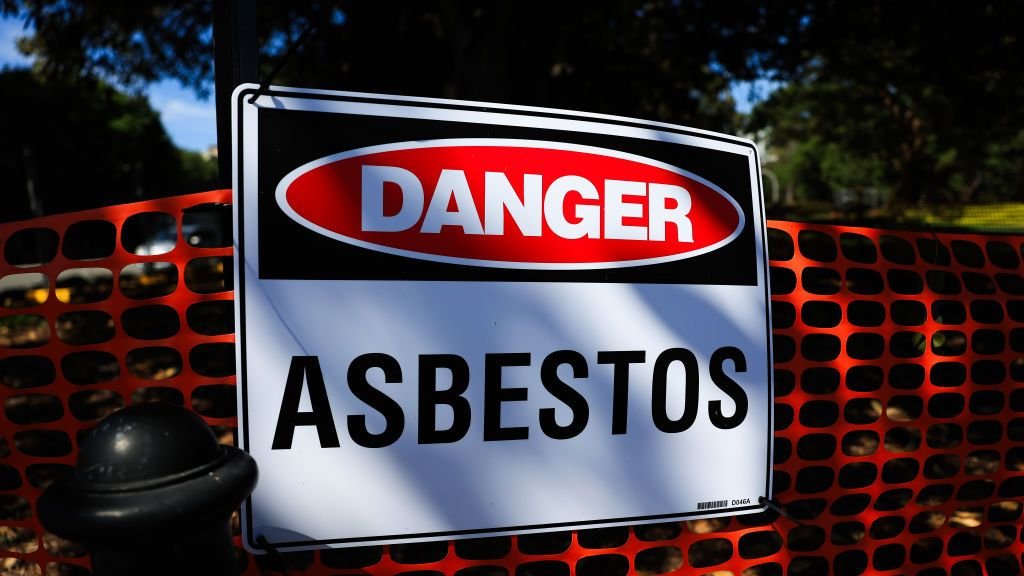
The Environmental Protection Agency (EPA) filed court documents on Monday announcing its intention to “reconsider” the 2024 ban on chrysotile asbestos, a move that pauses ongoing litigation and signals a major shift in federal chemical safety policy under the Trump administration. This decision halts the momentum of a regulation designed to eliminate the last remaining form of asbestos used in the United States, a mineral long classified as a potent human carcinogen.
A Retreat from Public Health Protections
Last year, the Biden administration finalized a historic rule to prohibit chrysotile asbestos, often referred to as “white asbestos.” While its use has seen a steady decline, the hazardous mineral remains a component in specific industrial applications, including gaskets, aftermarket automotive brakes, brake blocks, and diaphragms utilized in the production of chlorine and sodium hydroxide. By implementing the ban, the U.S. aligned itself with over 50 nations that have already prohibited the substance due to its catastrophic health impacts.
Scientific consensus links asbestos exposure to over 40,000 annual deaths in the United States. The mineral is a primary cause of mesothelioma, lung cancer, ovarian cancer, and laryngeal cancer. At the time the ban was finalized, former EPA Administrator Michael Regan emphasized that the science was “clear,” noting that the regulation was a long-overdue response to a public health crisis that has devastated families for generations.
The 30-Month Regulatory Review
The path to the ban was met with immediate resistance from the chemical industry. Trade groups and corporations, led by the American Chemistry Council (ACC), initiated litigation to block the regulation. Despite the ban offering companies a transition period of up to 12 years to phase out the mineral, industry proponents argued the timeline was unfeasible.
In its recent court filing, the EPA requested a suspension of these legal proceedings, stating it requires approximately 30 months to conduct a formal reconsideration of the rule. This process could lead to significant regulatory changes or a total rescinding of the ban. Supporting this move is a declaration from Lynn Ann Dekleva, the new Deputy Assistant Administrator of the EPA’s Office of Chemical Safety and Pollution Prevention. Notably, Dekleva served as a director and lobbyist for the American Chemistry Council until last year, the very organization that spearheaded the legal challenge against the asbestos restrictions.
Trump’s Longstanding Defense of Asbestos
The current administration’s skepticism toward asbestos regulation is consistent with President Trump’s historical stance. In his 1997 book, The Art of the Comeback, Trump claimed that asbestos is “100 percent safe, once applied.” He further alleged that the movement to remove the carcinogen from buildings was a conspiracy led by “the mob,” asserting that mob-related companies benefited from the lucrative asbestos removal industry.
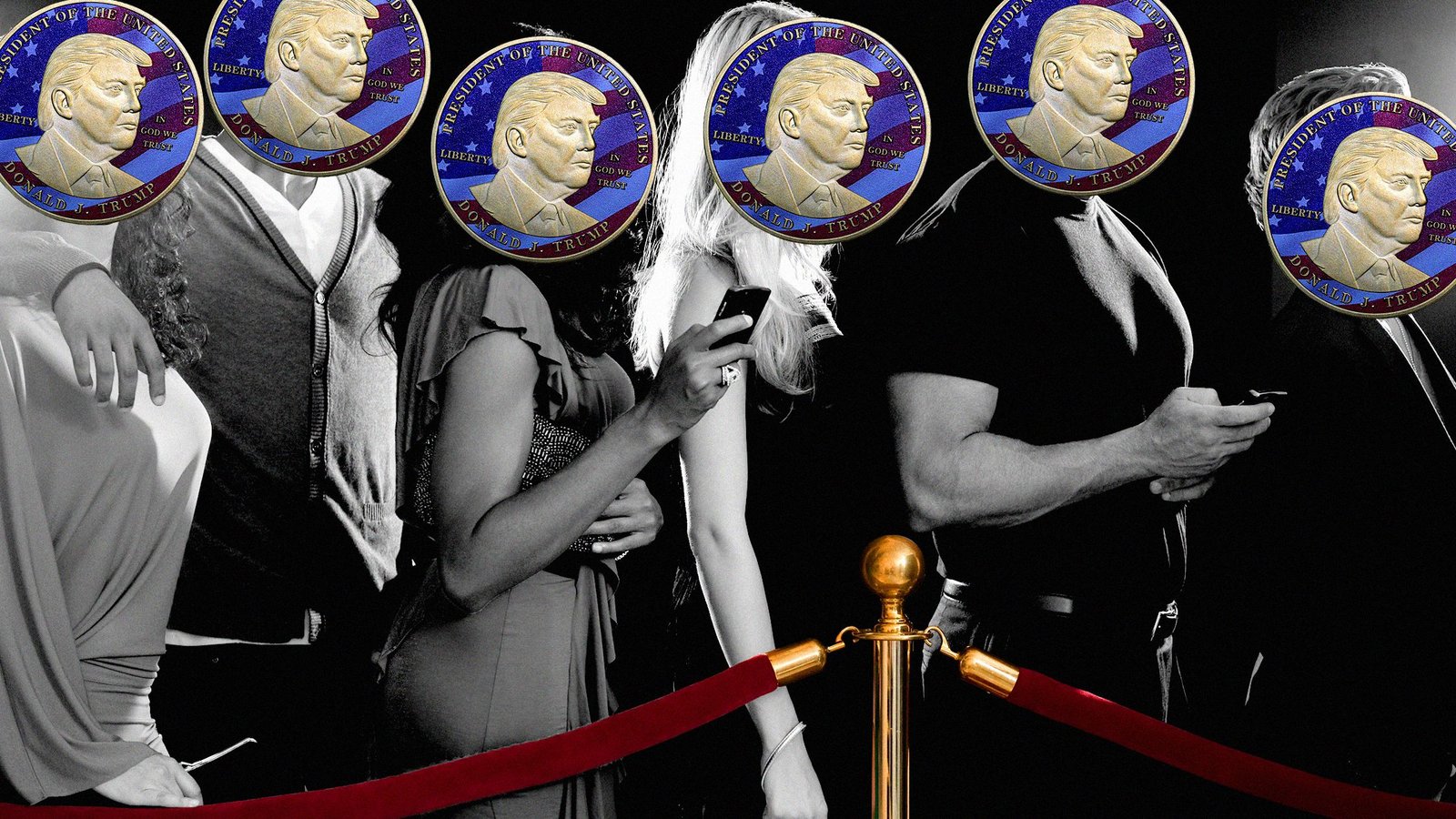
This pro-asbestos rhetoric has resonated internationally, particularly in Russia, a leading global supplier of the mineral to the U.S. market. In 2018, a prominent Russian asbestos producer, Uralasbest, began branding its products with a seal featuring Donald Trump’s face and the text: “Approved by Donald Trump, 45th President of the United States.” As the EPA begins its 30-month review, the future of the ban—and the public health protections it promised—remains in administrative limbo.