The Toronto International Film Festival (TIFF) recently showcased a haunting lineup of films—ranging from Raoul Peck’s Orwellian critique to Guillermo del Toro’s reimagined Frankenstein—serving as a visceral warning against authoritarianism, erasure, and the unchecked power of creation in our digital age. These works transcend mere entertainment, functioning as urgent mirrors for a global society currently grappling with misinformation and the ethical abyss of rapid technological advancement.
Raoul Peck’s Orwellian Mirror: Why We Ignore the Unimaginable
Director Raoul Peck, acclaimed for I Am Not Your Negro, returns with Orwell: 2+2=5, a film that functions less like a traditional documentary and more like a high-stakes provocation. Peck utilizes the final reflections of George Orwell—diaries, essays, and letters—delivered with clinical precision by actor Damian Lewis. These words anchor a visual narrative that juxtaposes historical warnings with jarring contemporary imagery: the ruins of Gaza, the distortions of political rhetoric, and the digital architecture of modern misinformation.
Peck, whose perspective is shaped by his upbringing in authoritarian Haiti, argues that society possesses a dangerous capacity to repress the obvious. “Hitler wrote a book… he did exactly what was written there,” Peck notes, highlighting how modern societies often dismiss authoritarian threats as jokes until they manifest as genocide. The film aggressively critiques our collective numbness, flashing terms like “doublespeak,” “newspeak,” and “thoughtcrime” over scenes of media manipulation and political spectacle.
The Digital Evolution of Authoritarianism
In Orwell: 2+2=5, Peck frames the current era as Orwell’s world equipped with more efficient instruments. He asserts that authoritarian terrorism now relies on rewriting history with a single click or an AI-generated prompt. By analyzing the widening wealth gap and the contrast between state promises and ground-level destruction, Peck forces the audience to confront a reality where fiction and truth have become dangerously indistinguishable.
Human Alchemy in Gaza: A Digital Bridge Through the Siege
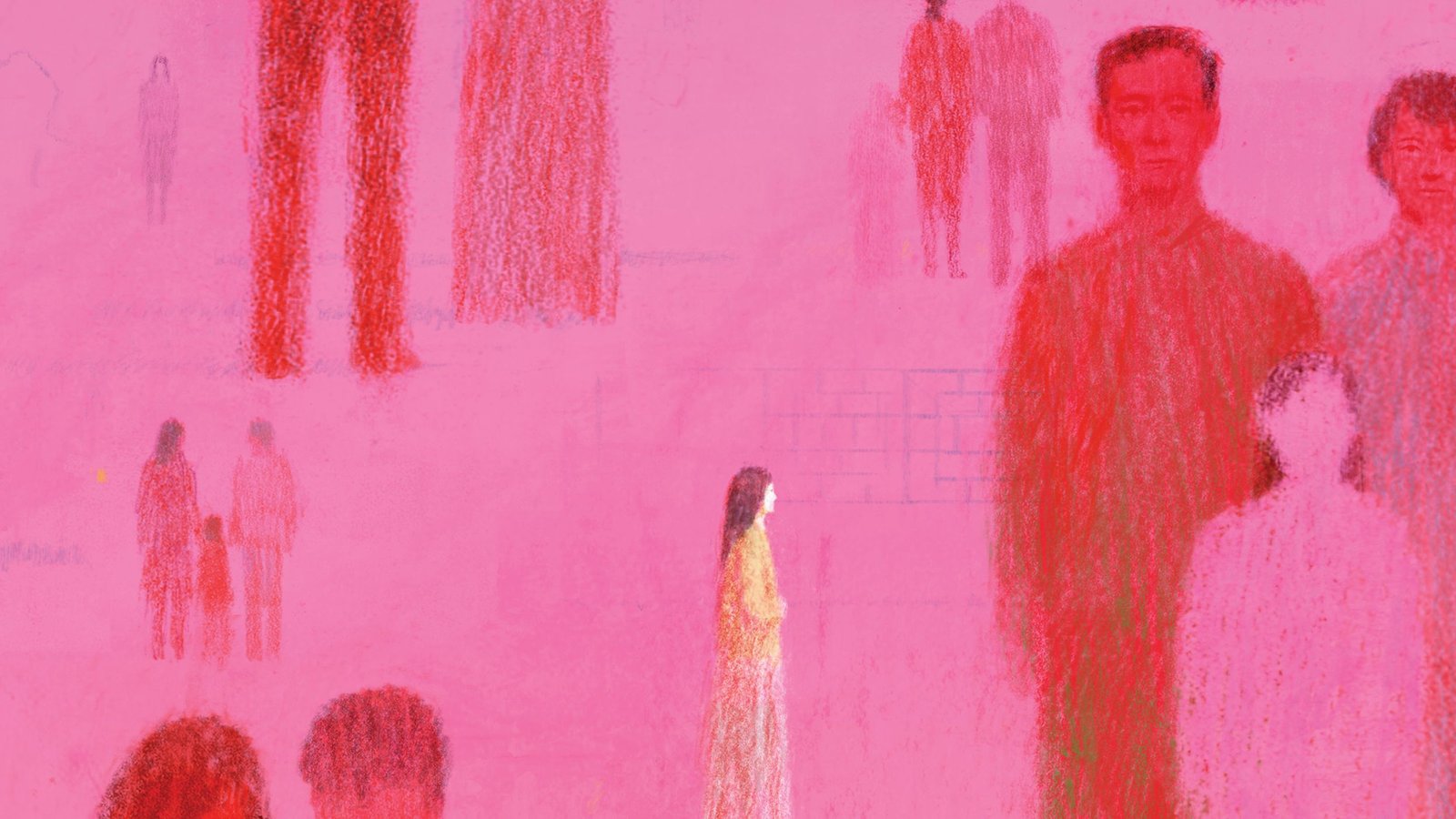
While Peck warns of authoritarianism from a systemic level, director Sepideh Farsi’s Put Your Soul on Your Hand and Walk provides a harrowing look at life under military control. The film documents a unique collaboration between Farsi, an Iranian-born director based in Cairo, and Fatma Hassouna, a 24-year-old photographer trapped in Gaza. Unable to enter the territory, Farsi conducted the entire project through video calls and fractured digital connections.
The film captures the “human alchemy” of their relationship, where the glitches and pixelated disconnections reflect the planetary distance between Gaza and the outside world. Hassouna emerges not just as a victim, but as a witness who insists on finding beauty—sunsets and small gestures—amidst the relentless weight of the Israeli siege. Farsi intentionally avoided graphic footage, choosing instead to focus on Hassouna’s resilience and her “unforgettable smile” as a tool against erasure.
A Memorial and an Indictment
The documentary took a tragic turn on April 16, 2025. Just one day after the film was selected for Cannes, an Israeli airstrike on Gaza City’s Al-Tuffah neighborhood killed Hassouna along with ten family members, including her pregnant sister. This loss transforms the film from a living dialogue into a devastating indictment. Farsi now presents the work alone, acting as a representative for a voice that the mechanisms of war sought to silence.
Del Toro’s Frankenstein: An Allegory for the AI Revolution
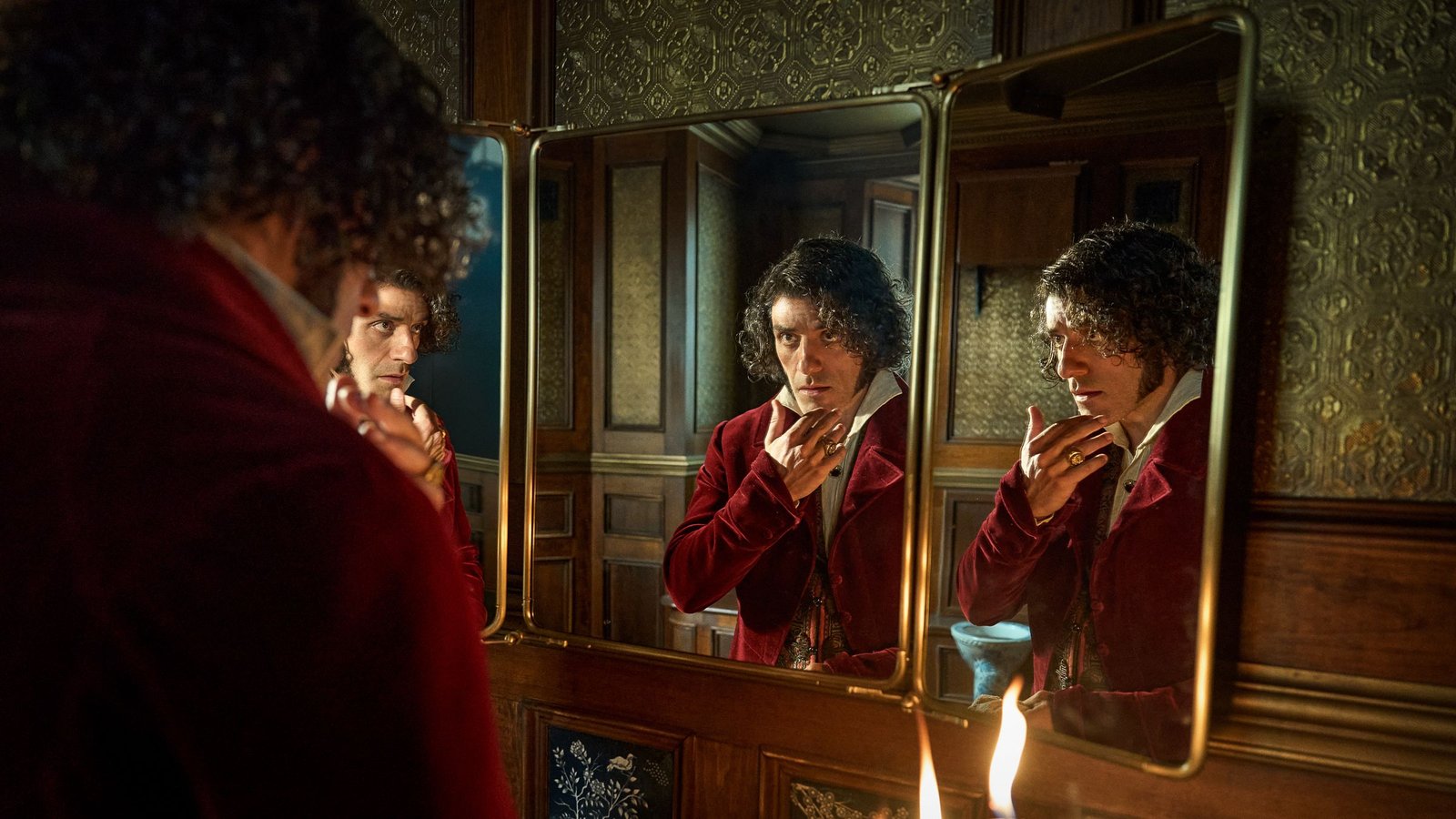
Guillermo del Toro shifts the focus from political survival to the ethics of creation in his latest rendition of Frankenstein. Moving away from traditional horror, Del Toro explores the “messy truths” of fatherhood and ambition. Oscar Isaac portrays Victor Frankenstein as a man caught between creation and monstrosity, while Jacob Elordi’s creature is sculpted to evoke deep sympathy rather than repulsion.
Del Toro reanimates Mary Shelley’s Gothic masterpiece to sound an alarm for the modern era. The film serves as a potent allegory for the architects of artificial intelligence—the Sam Altmans and Elon Musks of the world—who navigate the space between awe and terror. Like Victor, these modern creators craft intelligences that mirror humanity with uncanny precision, often outpacing our moral capacity to regulate them.
The Responsibility of the Creator
Though the film remains a theatrical period piece, its insistence on the creature’s interiority resonates in the age of ChatGPT and Neuralink. Del Toro’s Frankenstein does not lecture on technology; instead, it forces the viewer to sit with the weight of responsibility. It challenges us to consider what it means to care for what we bring into being, especially when those creations begin to escape our grasp and demand their own place in the world.