
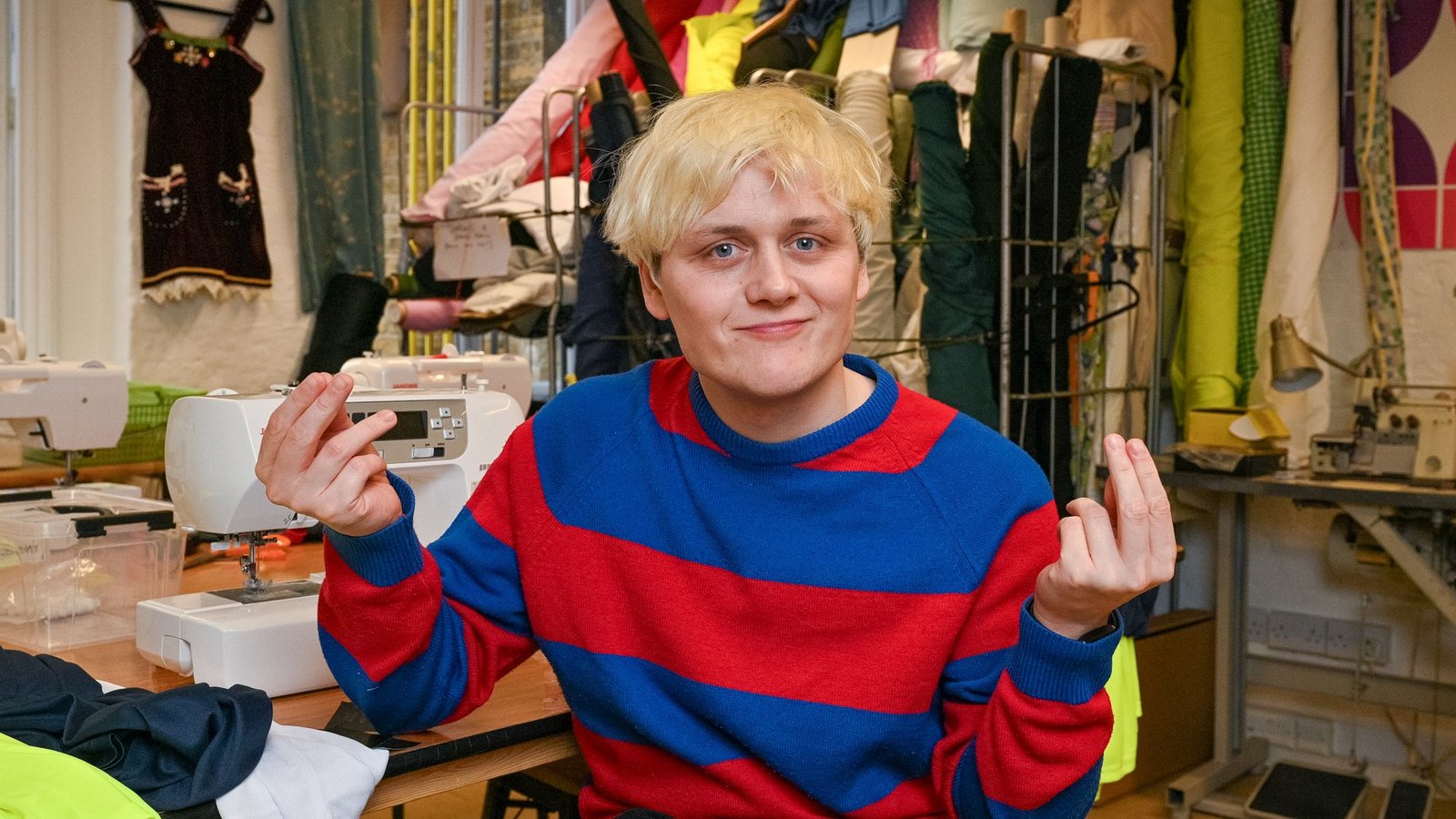
British documentary filmmaker Oobah Butler recently attempted to amass £1 million ($1.3 million USD) in just 90 days for his latest Channel 4 film, “How I Made £1 Million in 90 Days,” by infiltrating the high-stakes worlds of venture capital, cryptocurrency, and startup culture in London and New York. Butler, famous for transforming a backyard shed into London’s top-rated TripAdvisor restaurant, pivoted his satirical lens toward the global obsession with extreme wealth and the “hustle culture” that fuels it.
From Viral Stunts to Financial Frontiers
Butler’s experiment stemmed from a desire to understand the idolization of wealthy entrepreneurs. Unlike his previous projects, which exposed the vulnerabilities of platforms like Amazon and TripAdvisor, this quest targeted the mechanics of “get-rich-quick” schemes. Operating under two self-imposed rules—staying within the law and personally funding all costs—Butler explored strategies ranging from direct solicitation of the elite to the creation of a hype-driven crypto entity called UNFK.
The $10 Million Valuation of Nothing
A pivotal moment in the documentary occurs when Butler partners with Venmo co-founder Iqram Magdon-Ismail. The tech mogul quickly branded himself as a co-founder of Butler’s new venture, “Drops,” speculatively valuing the nascent company at $10 million based solely on their combined personal brands. Their brainstorming sessions epitomized the absurdity of modern startup culture, featuring ideas such as selling naming rights to the “first branded species” and purchasing the first plot of land on Mars.
However, the partnership faced friction when Butler proposed more surrealist products, including a suitcase designed to look like a bomb and “ad-blocking sunglasses” that completely blinded the wearer. These provocations led Magdon-Ismail to temporarily distance himself from the project, highlighting the fine line between “disruptive” innovation and total absurdity.
Exploiting Legal Loopholes and “Performative” Labor
In his pursuit of the million-pound goal, Butler established what he termed the “first legal child sweatshop in Britain in over a century.” By utilizing a legal loophole that classifies children as performers for a documentary rather than traditional laborers, he avoided standard wage requirements. This “staff” helped develop marketing for “Holy Smokes,” a fake religious cigarette brand featured on bespoke soccer jerseys. Despite gaining media coverage in outlets like GQ, the apparel line failed to generate the massive revenue required to meet his 90-day target.
Auctioning a Human Life: The Ultimate VC Pitch
As the deadline approached, Butler shifted from product sales to the ultimate commodity: himself. In a final, high-stakes meeting arranged by Magdon-Ismail, Butler pitched a group of private equity and venture capital investors on a 10 percent stake in his future earnings for life. The pitch, which valued Butler as a living asset, prompted earnest inquiries from investors regarding life insurance policies, further exposing the cold, transactional nature of high-level finance.
Deconstructing the “Hustle Culture” Illusion
The documentary serves as a scathing critique of the “house of cards” supporting many modern business ventures. Butler noted a stark difference between the “old money” structures of the UK and the more “grotesque” and transparent pursuit of wealth in the United States. He characterized the current economic climate as a “Wild West” where the addictive mindset of “doing something” often replaces actual productivity.
Reflecting on the experience, Butler admitted to feeling “massively burnt out” by the constant pressure of potentiality. While the project highlighted the ease with which one can manipulate perceived value in the crypto and tech sectors, it ultimately reinforced the psychological toll of a life dedicated exclusively to the movement of money.