
Tech giants and media conglomerates are fundamentally reshaping digital safety and political discourse as OpenAI deploys aggressive teen monitoring tools while a wave of professional retaliation follows the death of right-wing figure Charlie Kirk. This convergence of algorithmic control and corporate compliance marks a pivotal shift in how Silicon Valley and traditional media navigate the increasingly volatile intersection of privacy, safety, and free speech.
OpenAI’s High-Stakes Bet on Teen Safety Features
OpenAI recently announced a suite of new safety features for ChatGPT specifically designed to regulate how minors interact with artificial intelligence. The centerpiece of this initiative is an age-prediction system capable of identifying users under 18 and rerouting them to a restricted, age-appropriate environment. This development addresses growing global concerns regarding the mental health impacts of long-form AI interactions on youth.
The system includes a controversial protocol for high-risk situations: if the AI detects indicators of self-harm or suicide, it will automatically notify the user’s parents. Should guardians remain unreachable, the system may escalate the alert to local authorities. While OpenAI positions these measures as essential safeguards, critics argue they create a precarious trade-off between protection and privacy. The mechanism raises significant questions regarding data storage and the potential for “outing” LGBTQ+ youth or other marginalized groups to their families or the state in an increasingly polarized cultural climate.
The $45 Billion Infrastructure Race in the UK
American technology leaders are rapidly expanding their physical footprint in Europe, with Microsoft and Nvidia committing up to $45 billion toward AI infrastructure in the United Kingdom. This massive investment, which includes high-capacity data centers and dedicated research hubs, follows a high-profile state visit involving President Trump and CEOs Sam Altman and Jensen Huang. A parallel joint venture between Nvidia, Nscale, and OpenAI further solidifies the UK’s position as a critical node in the global AI supply chain.
However, this expansion faces intense local resistance. London currently serves as Europe’s largest data center market, but the sheer energy and water requirements of these facilities are straining the national grid. Environmental advocates and local residents report significant disruptions, ranging from spiking utility bills to persistent noise pollution. Critics have labeled the move a form of “tech imperialism,” questioning whether these investments prioritize corporate dominance over the ecological and social stability of the host communities.
Digital Authoritarianism: Inside China’s Exported Surveillance
A recent leak of internal documents from a Chinese technology firm has demystified the inner workings of the “Great Firewall,” revealing how sophisticated censorship tools are now being commercialized and exported globally. This leak highlights a burgeoning industry providing “Digital Authoritarianism as a Service,” where private companies collaborate with academic institutions to develop bespoke monitoring and hacking suites for international government clients.
The documents show that these firms operate with business models remarkably similar to Western tech giants, chasing lucrative government contracts and personalizing tools to intercept and manipulate internet traffic. This transparency challenges the notion that Chinese surveillance is a monolithic state entity, revealing instead a competitive marketplace of private actors driving global digital repression.
Human Design: The New Spiritual Trend Guiding Life Choices
A new metaphysical system known as “Human Design” is currently exploding across social media, blending elements of astrology, the Kabbalah, and various spiritual traditions to categorize individuals into five distinct personality types: manifestors, generators, manifesting generators, reflectors, and projectors. Unlike traditional astrology, Human Design proponents often advocate for rigid adherence to these archetypes when making major life decisions.
The trend has reached a level of intensity where followers are reportedly ending marriages or adopting extreme diets based on their “design.” One notable example includes a reality television participant who ended a relationship because his “spleen was silent”—a reference to the belief that the spleen serves as a more reliable intuitive guide than the gut. While some use the system for light self-reflection, a growing contingent is deconditioning their lives to fit these specific spiritual frameworks, sometimes with radical personal consequences.
The Charlie Kirk Backlash: Corporate Compliance or Censorship?
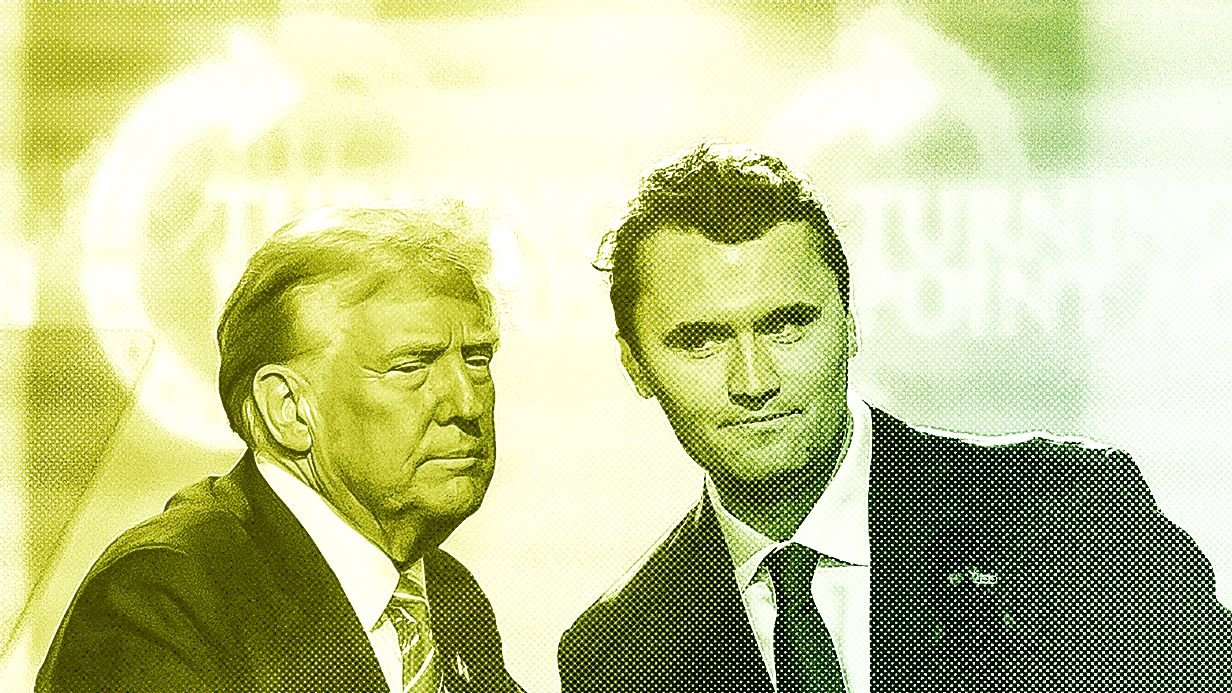
The death of Charlie Kirk has triggered a wave of professional retaliation that many observers are calling a new form of right-wing cancel culture. Journalists, video game developers, and artists have faced immediate termination or suspension for expressing unsympathetic views regarding the late media figure. In one instance, DC Comics canceled an entire series and fired a trans writer after she posted a derogatory comment about Kirk on Bluesky.
The most prominent example of this trend is ABC’s indefinite suspension of late-night host Jimmy Kimmel. The network’s move followed jokes Kimmel made regarding the political reaction to Kirk’s death. Analysts suggest this isn’t merely a response to public outcry but a calculated move toward corporate compliance. Nexstar, an ABC affiliate, is currently seeking FCC approval for a $6.2 billion merger, leading to speculation that the suspension was a preemptive effort to appease regulators and government officials. This shift suggests that corporate entities are increasingly willing to sacrifice creative and journalistic independence to secure high-stakes financial and regulatory victories.