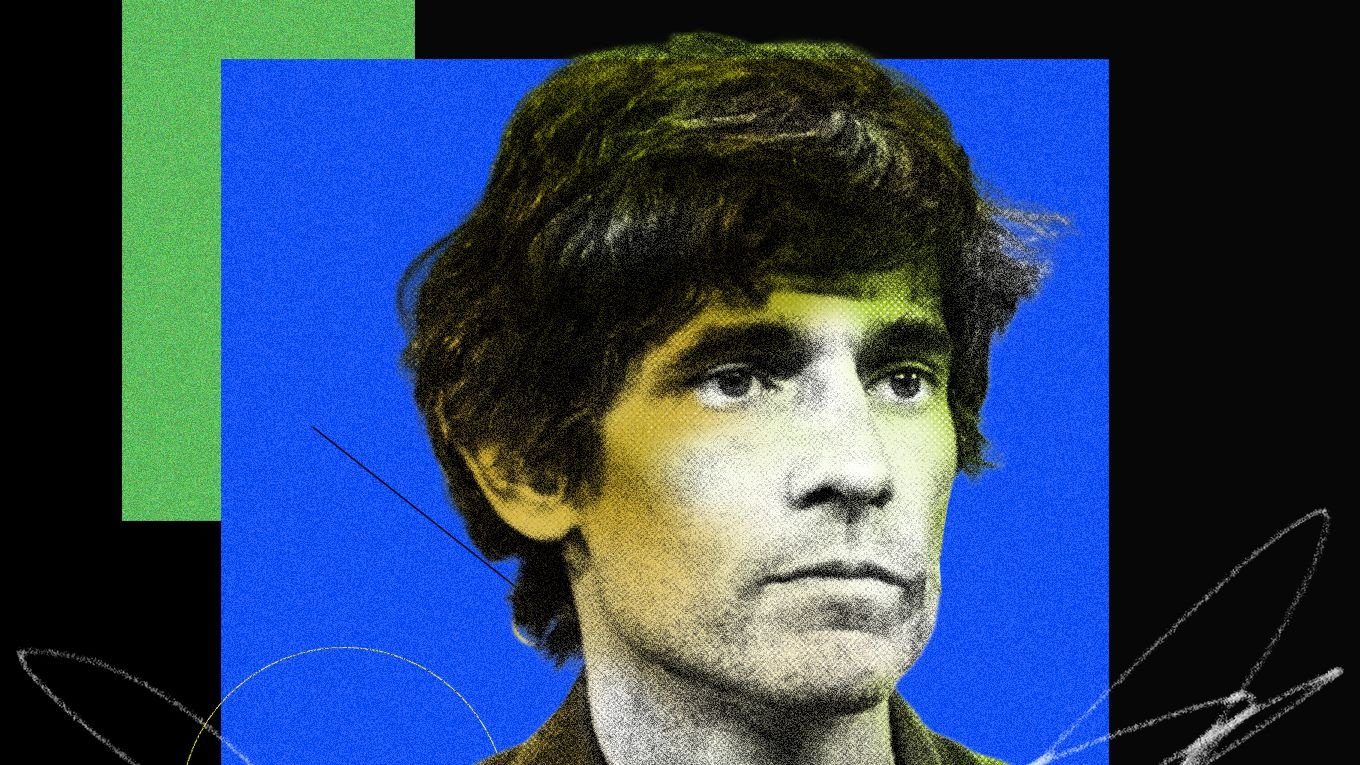
Nicholas Thompson, CEO of The Atlantic and former WIRED Editor-in-Chief, is launching a new memoir this Tuesday that reveals how he leveraged elite sports science and custom AI tools to clock a 2:29 marathon in his mid-40s. The book, titled The Running Ground: A Father, a Son, and the Simplest of Sports, serves as both a high-performance training manual and a deep psychological exploration of his relationship with his father, who introduced him to the sport at age five.
A Legacy Forged in Miles and Complexity
While Thompson holds the American 50K record for the 45-49 age group, his narrative transcends mere athletics. The book examines the “rise and fall” of his father—a man who transitioned from the heights of American meritocracy to becoming a tax fugitive in Bali. Running became the primary language of their communication, a bond that persisted until his father’s death shortly after Thompson assumed the leadership of WIRED. Thompson explores the haunting parallels between their lives, including shared educational paths at Andover and Stanford, and a family history of addiction that he remains consciously vigilant against.
Breaking the Age Barrier: From 2:43 to 2:29
In his mid-40s, Thompson achieved a physiological breakthrough that defies standard aging curves, dropping his marathon time from a 15-year plateau of 2:43 down to a staggering 2:29. This transformation was sparked by a realization during a run across the Brooklyn Bridge: a thyroid cancer diagnosis at age 30 had created a subconscious mental block. By confronting this past trauma, Thompson unlocked a new level of “post-traumatic growth,” allowing him to approach the sport with renewed focus and intensity.
The Data-Driven Athlete: Nike Science and AI Coaching
Thompson’s improvement was fueled by a collaboration with elite Nike coaches, including Steve Finley, Brett Kirby, and Joe Holder. This “mad science” approach involved rigorous physiological stress tests and data-driven adjustments:
- Lactate Threshold Training: Running at maximum intensity for specific intervals to shift the body’s fatigue response.
- Biological Optimization: Utilizing beet juice and L-citrulline to enhance nitric oxide levels and oxygen uptake.
- Data Accuracy: Moving heart rate monitors from the wrist to the bicep to ensure stable, actionable data.
- Mental Homeostasis: Training the brain to recognize that “heavy legs” are often a mental safety signal rather than a physiological failure.
Building a Custom GPT for High-Performance Running
As a technology expert, Thompson integrated Artificial Intelligence directly into his training and writing workflows. He developed a Custom GPT acting as an AI coach, feeding it his historical workouts, race results, and Strava logs to receive real-time advice on training adjustments.
During the five-year writing process for The Running Ground, Thompson utilized Large Language Models (LLMs) like Claude to analyze thousands of pages of interview transcripts. This allowed him to identify thematic inconsistencies and ensure factual accuracy across years of episodic reporting. While he maintains that AI writing is currently insufficient for the nuance of a memoir, he credits the technology with streamlining the organizational complexity of a 200,000-word drafting process.
The Philosophy of Suffering
Thompson rejects the conventional wisdom of making training comfortable. His methodology involves “suffering differently”—running 20-mile stints without hydration, training on a full stomach after work dinners, or sprinting through the woods at midnight. He argues that discipline is cumulative; completing a grueling physical task in the morning provides the stoicism required for high-stakes corporate leadership in the afternoon. For Thompson, running is not a “time suck” but a foundational habit that enhances productivity and focus in every other facet of life.