Medical researchers have identified the varicella-zoster virus, the pathogen responsible for shingles, as a potent catalyst for cognitive decline and accelerated biological aging. Recent findings, including a landmark 2025 Stanford University study, suggest that proactive vaccination could prevent up to 20% of new dementia cases by suppressing this dormant viral threat before it compromises the central nervous system.
The Invisible Threat: From Nerve Pain to Cognitive Decay
For decades, the medical community viewed shingles primarily as a dermatological and neurological condition defined by postherpetic neuralgia—a pain so excruciating it has historically been linked to increased suicide rates among the elderly. However, a pivotal 2016 case study involving a 63-year-old viral immunologist shifted the narrative. The patient suffered from progressive memory loss, impaired concentration, and a declining ability to read, symptoms that persisted despite a brain biopsy. After identifying the cause as a reactivation of the varicella-zoster virus, the patient underwent a course of the antiviral drug acyclovir. His cognitive functions returned to normal, sparking a new era of neurovirological research into how this common virus ages the human brain.
Viral Hijacking: How Varicella-Zoster Infiltrates the Brain
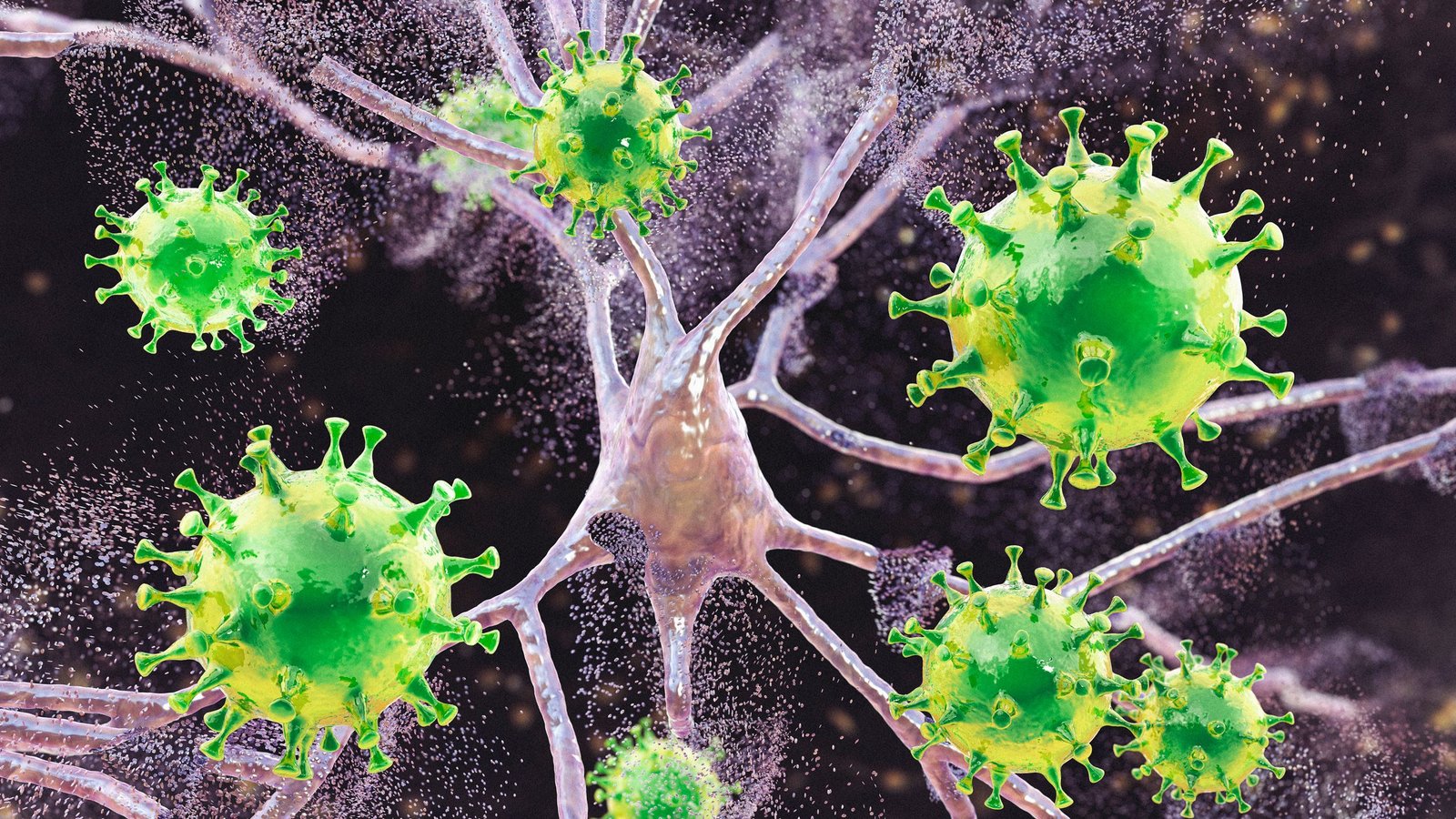
The varicella-zoster virus remains dormant in the peripheral nervous system of nearly everyone who contracted chickenpox as a child. According to Tian-Shin Yeh, associate professor of medicine at Taipei Medical University, the virus exploits the body’s internal transport mechanisms to move from peripheral tissues into the brain. “Our nerve cells contain molecular motors that shuttle cargo along the nerve fibers,” Yeh explains. “Herpes viruses can commandeer these transport systems to move from peripheral tissues deep into the nervous system.”
Once reactivated by stress, immunosuppression, or the natural aging of the immune system, the virus damages DNA and mitochondria within neurons. This process accelerates biological aging and triggers a chronic inflammatory response within the cerebral arteries, leading to a dangerous narrowing of the blood vessels that supply the brain.
The Stroke Connection and Vascular Damage
Andrew Bubak, assistant professor of neurology at the University of Colorado Anschutz, emphasizes that the burden of this virus is drastically underestimated. His research highlights a staggering 80% increase in stroke risk during the first month following a shingles outbreak, with the risk remaining 20% higher even a year later. This arterial inflammation serves as a primary driver for vascular dementia, effectively acting as a “significant accelerator” of neurological decline in older populations.
A Double-Viral Assault: Triggering the Alzheimer’s Link
The impact of varicella-zoster extends beyond its own direct damage. Epidemiological data suggests a synergistic relationship between shingles and herpes simplex virus (HSV-1), which is closely linked to Alzheimer’s disease. Research indicates that a varicella reactivation can “awaken” dormant HSV-1, bombarding the brain with two separate herpes viruses simultaneously. Dana Cairns, a researcher at Tufts University, notes that the shingles vaccine may be providing a dual benefit by preventing the reactivation of both pathogens.
Shifting the Paradigm: Vaccines as a Shield Against Aging
The emerging evidence has led experts to call for a reevaluation of vaccination protocols. While the shingles vaccine is currently recommended for adults over 50, researchers like Bubak and Andrew Pollard, professor of infection and immunity at the University of Oxford, suggest that offering the vaccine earlier in life—supported by regular boosters—could preserve cognitive health for a growing elderly population.
In addition to vaccination, experts point to the potential of rapid saliva tests to detect subclinical reactivations during periods of high stress. Because the virus is highly responsive to safe antiviral medications, early detection and treatment could prevent the inflammatory cascade that leads to permanent brain damage. As global populations age, suppressing this “treatable virus” represents a critical frontier in the fight against neurological decline and the preservation of long-term cognitive vitality.