In the shadows of the corporate headquarters of Nvidia and AMD, the Super Bowl at Santa Clara’s Levi’s Stadium transformed into a high-stakes crossroads of artificial intelligence, political tension, and cultural debate. As the AI arms race between OpenAI and Anthropic spilled onto the television screens via rival advertisements, the physical atmosphere at the stadium reflected the friction of a nation grappling with technological disruption and shifting cultural identities.
The Silicon Valley Influence and the Rise of Prediction Markets
The 2024 championship game sat at the literal heart of the tech industry, a few miles from the silicon giants powering the global AI revolution. This tech-centric backdrop coincided with a massive surge in decentralized sports “trading.” Despite California’s restrictive laws on traditional sports wagering, platforms like Kalshi and Polymarket saw record-breaking activity. This shift signals a pivot toward prediction markets as they move from niche financial tools to mainstream entertainment, challenging the dominance of legacy sportsbooks run by giants like MGM.
The Benito Bowl: A Cultural Flashpoint
The selection of Bad Bunny—the unapologetically political Puerto Rican superstar and recent Grammy winner—as the halftime headliner ignited a predictable firestorm. While fans celebrated the “Benito Bowl,” a conservative counter-movement led by Turning Point USA organized “The All-American Halftime Show,” featuring Kid Rock and Brantley Gilbert. This musical schism highlighted deeper tensions regarding American identity, despite the fact that Puerto Ricans hold U.S. citizenship by birth.
Security Concerns and the Shadow of ICE
Political friction extended beyond the stage. Despite assurances from the NFL and California Governor Gavin Newsom that no immigration enforcement would be tied to the event, rumors of U.S. Immigration and Customs Enforcement (ICE) activity persisted. Protesters took to the streets of Santa Clara, reflecting a broader national anxiety over border policy that even the “power of the NFL” could not entirely suppress.
Fan Perspectives: Innovation vs. Tradition
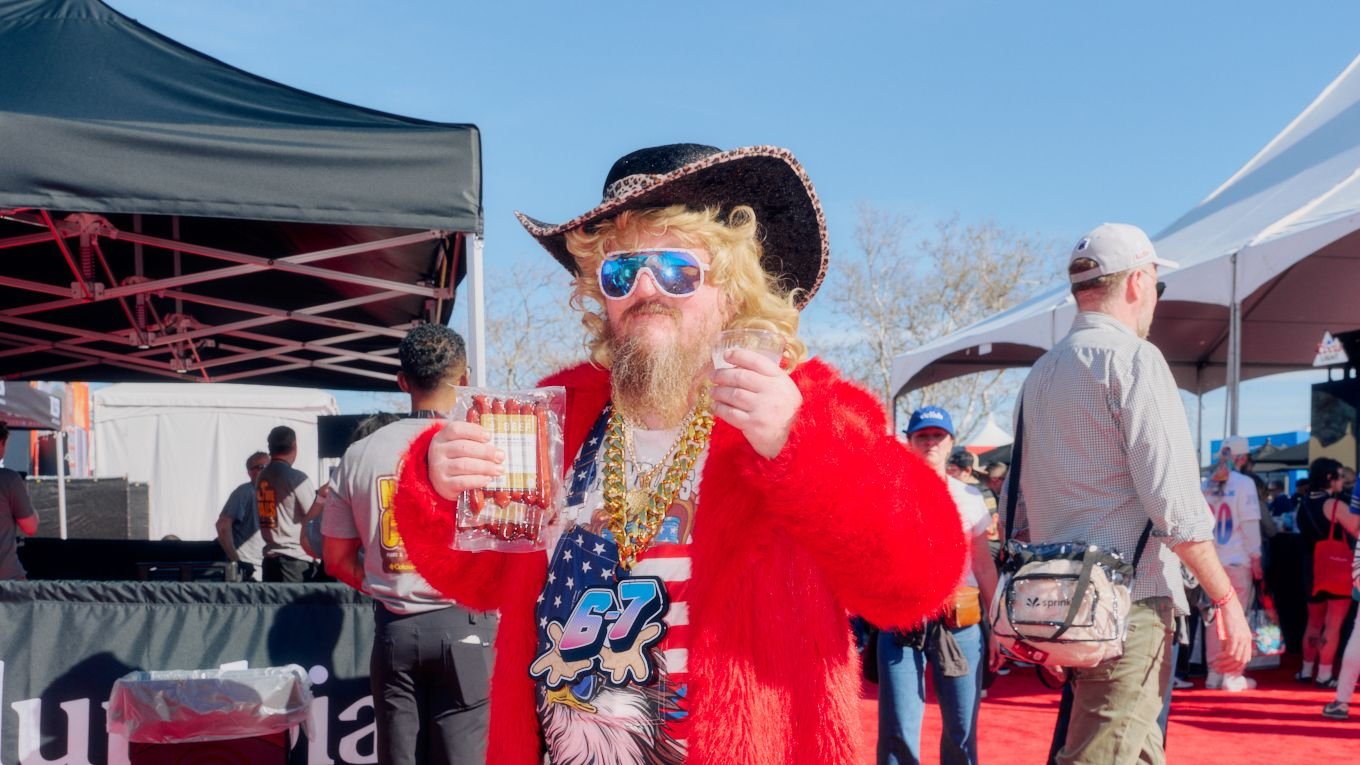
At the Bullseye Events Group Player’s Tailgate, the diverse crowd offered a microcosm of American sentiment. For many, the setting was a glimpse into a sci-fi future. “I see cars driving with no drivers in them,” noted Ryan Jackson of Milwaukee, referencing the Waymo robotaxis roaming the Bay Area. Scott Weber, visiting from Australia, described his first autonomous ride as “unique and special,” a sentiment shared by several attendees who viewed the tech industry’s “ground zero” with a mix of awe and trepidation.
However, the cultural divide remained sharp. Jim Lockhart, a fan from Boston, expressed vitriol toward the halftime choice. “I think it’s disgusting that there’s a guy who doesn’t speak English playing at the largest sporting event in America,” Lockhart stated, vowing to “walk out to the beer line” in protest. In contrast, local venture capitalist Tori Orr and Houston-based consultant Christa Allen championed the performance. Allen labeled the alternative shows “anti-American,” arguing that the country should rally behind a “fellow American patriot” like Bad Bunny.
Betting on Memories and the NFL’s “Soft Power”
While some fans, like Michael Bulzomi, remained loyal to “official” casino-run platforms, others found themselves navigating the complexities of local betting laws. Matt Luzio, a New Jersey native and 15-year Super Bowl veteran, observed that the NFL possesses a unique ability to temporarily pacify political friction. “The city behaves, everybody just does,” Luzio remarked, noting how the league’s presence forces a week-long ceasefire in the culture wars.
From Air Force veterans like Bruce Asmussen, who called for “making America smile again” through football, to parents like Todd Clements, who traveled to fulfill a promise to his son, the event remained a complex tapestry. Whether through the lens of AI-driven chips, the “Benito Bowl” controversy, or the sight of driverless cars, this Super Bowl proved that the gridiron is no longer a sanctuary from the political and technological realities of the 21st century.