The alliance between President Donald Trump and tech mogul Elon Musk fractured this week as a public dispute over federal spending and political appointments escalated into what observers are calling a full-scale “political divorce.” The tension, which had been simmering for days, reached a breaking point following a series of aggressive social media attacks from Musk and a dismissive press conference by the President, signaling a major shift in the power dynamics of the new administration.
From Oval Office Allies to Public Adversaries
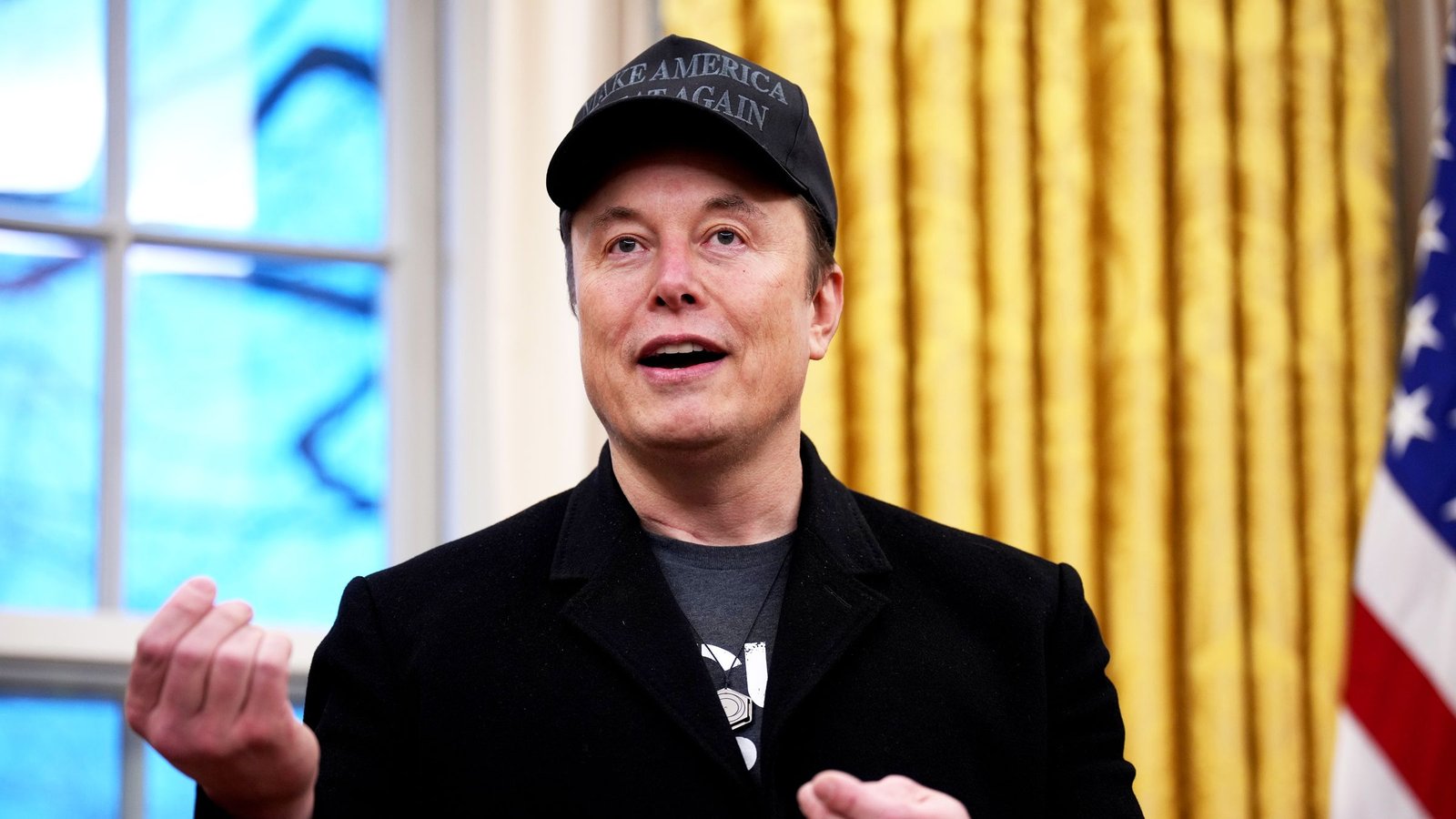
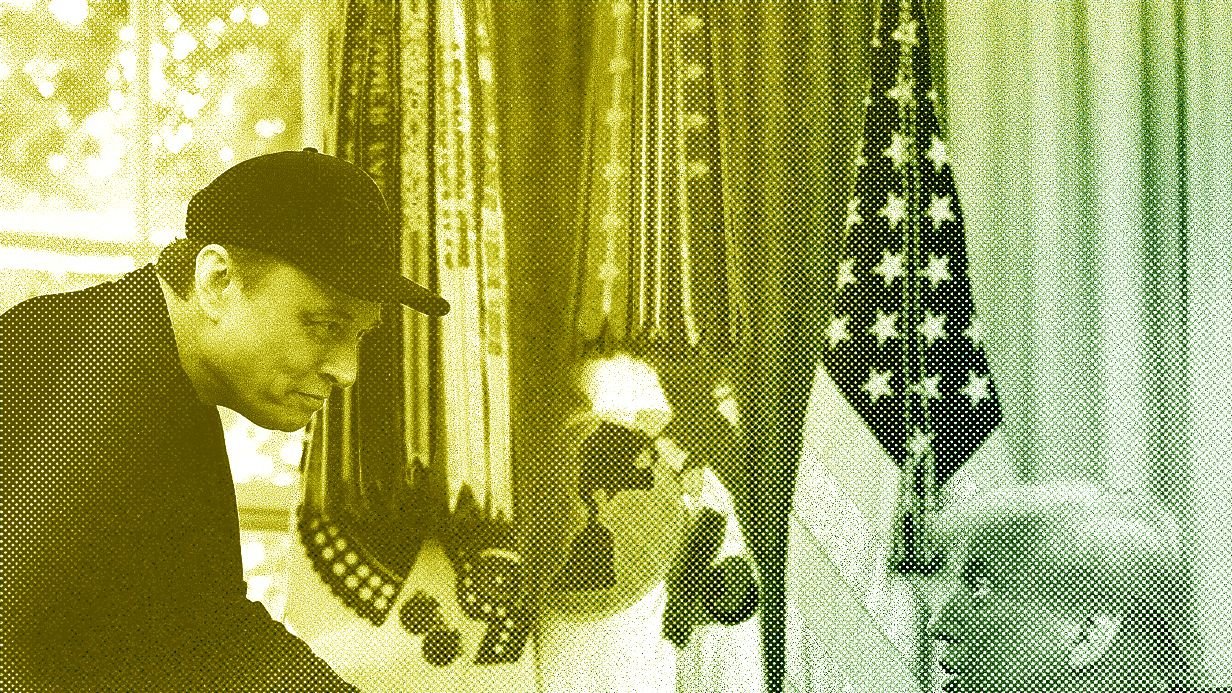
The rift became undeniable on Thursday during a joint press conference with German Chancellor Friedrich Merz. When questioned about his relationship with the leader of the Department of Government Efficiency (DOGE), Trump abandoned his previous tone of unwavering support. The President claimed he was unsure if their relationship would survive, even comparing Musk to former aides who developed “Trump Derangement Syndrome” after exiting his inner circle. This public rebuke stands in stark contrast to the scene just one week prior, when Trump symbolically handed Musk a key to the Oval Office.
The friction reportedly intensified over physical optics and ego. During their final joint appearance, Musk appeared with a visible black eye—a detail Trump later mocked, claiming he had offered the billionaire makeup to cover the injury. However, the conflict runs deeper than aesthetics; Silicon Valley is already beginning to pick sides as the two most powerful men in the country trade barbs.
The “Nuclear Option” and the Epstein Files
Musk retaliated with what political analysts describe as the “nuclear option.” On X, the platform he has utilized to bolster Republican campaigns, Musk suggested that Trump would have lost the election without his intervention. More provocatively, Musk accused the Department of Justice of withholding the Jeffrey Epstein files because Trump himself might be implicated. This escalation has sent shockwaves through the political landscape, prompting conspiracy theorists to speculate whether the breakup is a “psyop” or a calculated “5D chess” move designed to manipulate the Democratic opposition.
The $2 Trillion Conflict: Deficits and Tesla’s Bottom Line
At the heart of the policy disagreement is the Republican budget reconciliation package, colloquially known as the “Big Beautiful Bill.” Musk has branded the legislation a “disgusting abomination,” citing its failure to aggressively reduce the national deficit. However, industry insiders point to a more specific grievance: the bill’s provision to eliminate electric vehicle (EV) tax credits.
Tesla reportedly spent over $250,000 lobbying to preserve these credits, which are vital to its market dominance. Analysts suggest Musk views the removal of these incentives as a betrayal, especially after his vocal advocacy for the administration. The friction is further compounded by Trump’s rejection of Musk’s preferred candidates for key roles, including the NASA administrator position originally intended for Jared Isaacman, and clashes with Treasury Secretary Scott Bessent over trade tariffs.
DOGE Lives On: The “Big Balls” Era of Government
Despite Musk’s apparent departure from the front lines, the Department of Government Efficiency is not slowing down. While high-level lieutenants like Nicole Hollander and Steve Davis are reportedly exiting, Musk has successfully embedded a new generation of loyalists within the federal bureaucracy. DOGE is currently on a massive recruiting spree, transitioning key members into full-time, permanent government roles.
Individuals such as Edward Coristine (known by the pseudonym “Big Balls”), Ethan Shaotran, and Luke Farritor have secured official status. This maneuver ensures that Musk’s “year of efficiency” philosophy remains woven into the fabric of US agencies, regardless of his personal standing with the President. As former DOGE staffers reveal the chaotic internal hierarchy, it becomes clear that the “DOGE culture” of austerity and radical restructuring has already been normalized within Washington D.C.
A Permanent Cultural Shift in Washington
The fallout marks a turning point for both the Trump administration and the tech elite. Musk’s influence has effectively exported the Silicon Valley “startup” mentality to the federal government, emphasizing aggressive cost-cutting and a return-to-office mandate that mirrors his takeover of Twitter. Even if Musk spends more time focusing on SpaceX and xAI, his mark on the American political machine remains. The question is no longer whether Musk is in Washington, but whether the government can ever decouple itself from the DOGE framework he leaves behind.