
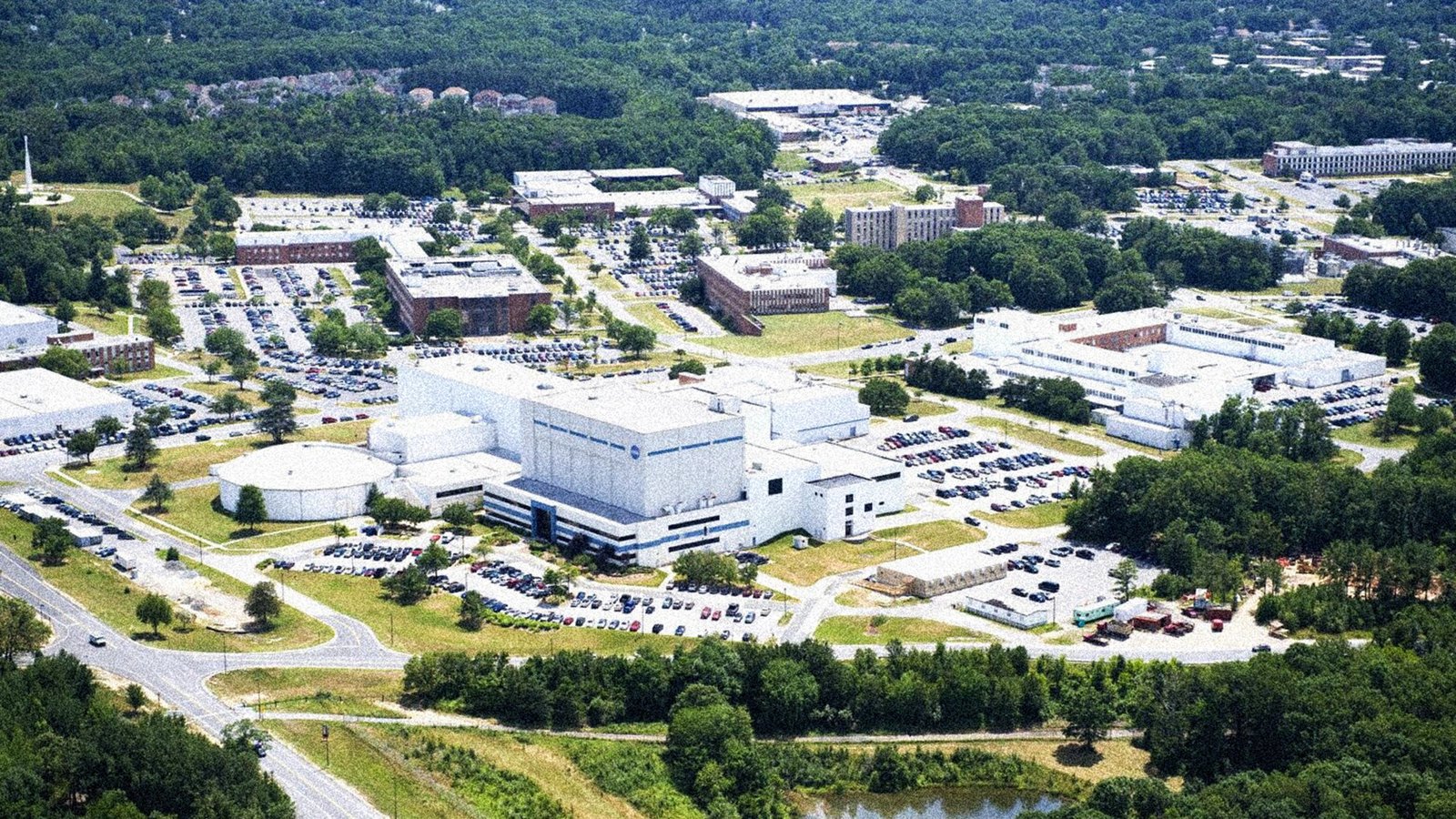
Makenzie Lystrup, the director of NASA’s Goddard Space Flight Center, will officially vacate her position on August 1, 2025, marking a high-profile exit as the agency navigates a proposed 25% budget reduction and escalating internal friction. Lystrup, who assumed leadership of the Greenbelt, Maryland-based facility in April 2023, managed a $4.7 billion budget and a massive workforce of 8,000 personnel, overseeing the nation’s premier hub for robotic space exploration and astrophysics.
Transition at the Helm of NASA’s Largest Research Hub
Goddard stands as the largest of NASA’s ten field centers dedicated to scientific advancement. Its portfolio includes the operational management of the James Webb Space Telescope and the Hubble Space Telescope, alongside the ongoing assembly of the Nancy Grace Roman Space Telescope. Vanessa Wyche, NASA’s acting associate administrator, publicly acknowledged Lystrup’s contributions to fostering a “Golden Age” of scientific discovery during her two-year tenure.
Cynthia Simmons, Goddard’s current deputy director, will assume the role of acting chief upon Lystrup’s departure. Simmons brings 25 years of experience to the position, having started her career at the center as a contract engineer. Lystrup’s background prior to NASA included a leadership role at Ball Aerospace (now part of BAE Systems) and a doctorate in astrophysics from University College London.
The Voyager Declaration: Staff Protest ‘Catastrophic’ Shifts
The timing of Lystrup’s resignation coincided with the release of the “Voyager Declaration,” an open letter addressed to interim administrator and Transportation Secretary Sean Duffy. Signed by hundreds of current and former NASA employees, the document sharply criticizes recent policy changes that signatories claim threaten human safety, waste public resources, and undermine the agency’s core mission. The letter mirrors previous formal dissents seen at the National Institutes of Health and the Environmental Protection Agency.
“The last six months have seen rapid and wasteful changes which have undermined our mission and caused catastrophic impacts on NASA’s workforce,” the declaration states. The signatories urge the current administration to abandon proposed cuts, arguing that political momentum is being prioritized over scientific integrity and efficient resource management. While the letter does not explicitly link Lystrup’s departure to these grievances, it highlights a deepening divide between NASA’s rank-and-file and its political leadership.
A $6 Billion Shortfall Threatens Scientific Legacy
The Goddard Space Flight Center faces disproportionate risks from the White House’s fiscal year 2026 budget request. The proposal seeks to slash NASA’s total funding to $18.8 billion—a staggering drop from the current $25 billion. The Science Mission Directorate would bear the brunt of these austerity measures, with its budget plummeting from $7.3 billion to $3.9 billion. Such a reduction would likely necessitate the immediate cancellation of dozens of active and developing missions.
The Looming Threat of Impoundment and Mission Cancellations
While congressional appropriations committees have moved to restore NASA’s funding to near-current levels, the executive branch may attempt to bypass legislative intent through “impoundment”—a legal maneuver to refuse the expenditure of appropriated funds. This strategy would almost certainly trigger a constitutional clash over executive versus legislative authority. Brian Hughes, NASA’s chief of staff and a political appointee, recently confirmed that the agency is currently operating under the assumption that the White House’s austerity budget will prevail.
Systematic Instability Across NASA Facilities
Goddard’s operational reach extends to several key facilities, including the Wallops Flight Facility in Virginia and the White Sands Complex in New Mexico. Roughly 60% of Goddard’s funding is tied directly to the science accounts currently targeted for liquidation. This instability is mirrored at the Jet Propulsion Laboratory (JPL) in California, where director Laurie Leshin stepped down on June 1 following significant layoffs.
The administration’s shift in priorities is most evident in the proposed termination of the robotic Mars Sample Return program. The White House intends to replace this long-standing scientific goal with a plan to retrieve Martian specimens during future human expeditions, a move that critics argue delays critical scientific data by decades while increasing mission complexity and risk.