
Specialized investment firms and hedge funds are positioned to secure massive windfall profits following a Supreme Court decision that invalidated President Trump’s “Liberation Day” tariffs, rewarding those who purchased refund rights from cash-strapped importers at steep discounts. These institutional contrarians bet millions that the executive branch overstepped its legal authority, a gamble that is now transitioning from a speculative trade into a historic payout.
The High-Stakes Bet Against Executive Overreach
The strategy began last April when the Trump administration implemented sweeping trade penalties on foreign goods. While importers struggled under the financial weight of these duties, a select group of distressed-debt specialists, such as Thomas Braziel of 117 Partners, identified a legal vulnerability. They approached importers to purchase their theoretical rights to future tariff refunds, offering immediate liquidity in exchange for claims that were then trading at mere cents on the dollar.
“We believed the administration was applying the law capriciously,” says Braziel, who personally committed $925,000 to the trade. This niche market was facilitated by Wall Street brokerages like Asset Enhancement Solutions. According to firm president Neil Seiden, the demand was driven by high-net-worth entities seeking scale. These firms avoided smaller claims, focusing instead on portfolios worth tens of millions of dollars to maximize their potential recovery.
Supreme Court Invalidates IEEPA-Based Trade Penalties
The legal turning point arrived when the Supreme Court of the United States (SCOTUS) ruled that the administration’s use of the International Emergency Economic Powers Act (IEEPA) to justify the extensive “Liberation Day” tariffs was illegal. This ruling effectively validated the thesis held by the investors: that the President lacked the statutory authority to impose such broad economic measures under that specific emergency framework.
For investors like Braziel, the judicial victory translates into staggering projected gains. He estimates his position could yield more than an eight-fold return on his initial capital. However, while the illegality of the tariffs is now a matter of law, the actual disbursement of funds remains a complex administrative hurdle.
The “Billion-Dollar Question” of Government Refunds
Despite the SCOTUS ruling, the court did not provide a specific roadmap for how or when the government must return the collected duties. Neil Seiden describes the current environment as a “state of flux,” as the industry waits to see if the Treasury will voluntarily issue checks or fight every claim in court. This uncertainty represents the final barrier between hedge funds and their multi-million dollar exits.
Lawrence Friedman, a partner at the law firm Barnes Richardson, explains that the battle will now return to the lower courts. The judicial process faces potential interference from an administration known for its litigious stance on executive power. “The President does not like district courts making nationwide injunctions,” Friedman notes, suggesting that the government may challenge any specific order to pay out refunds.
Trump Signals Protracted Legal Battle Over Payouts
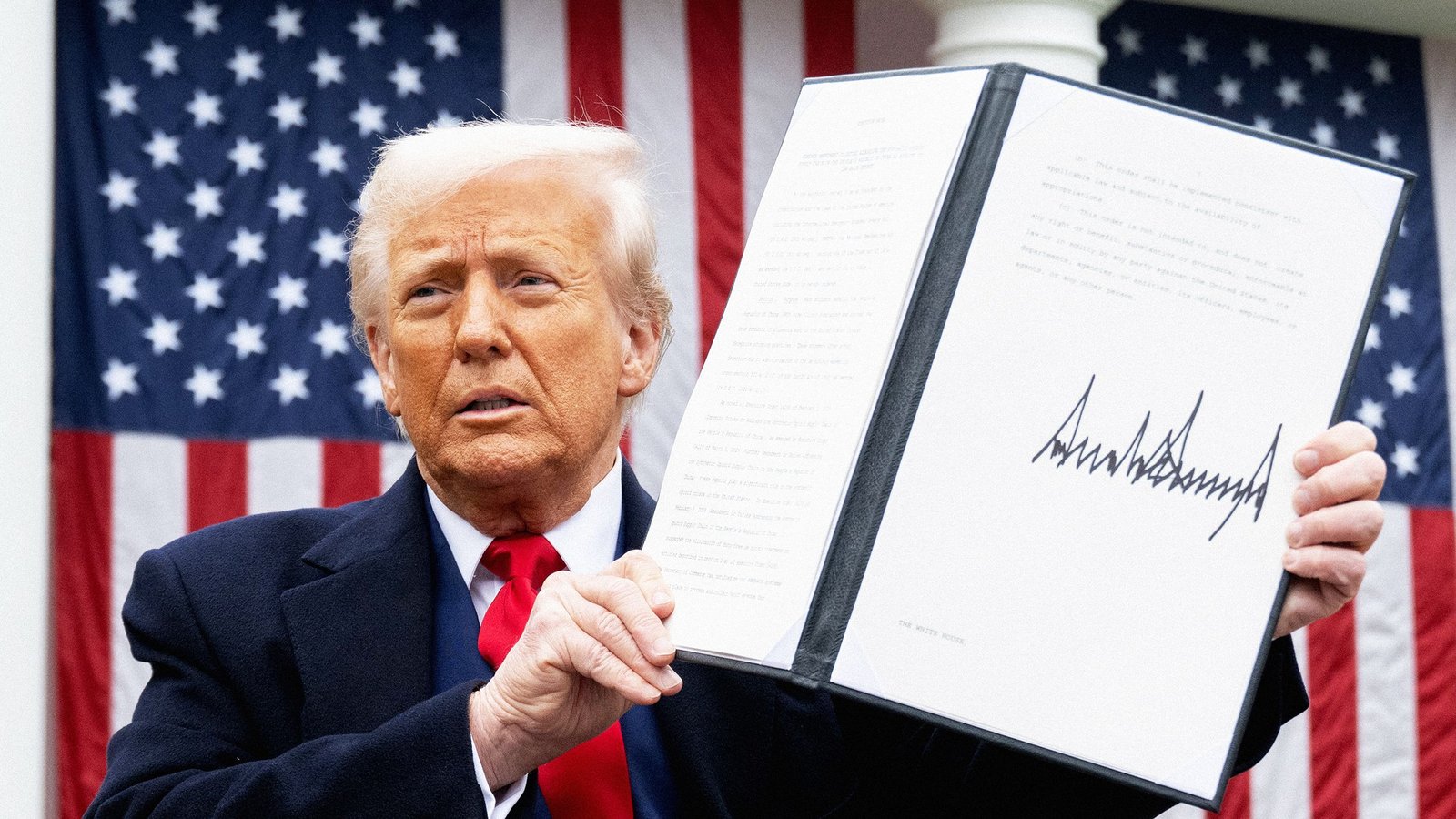
When questioned about the potential for massive taxpayer-funded refunds on Friday, President Trump remained defiant, stating, “I guess it has to get litigated.” This stance suggests that the White House intends to exhaust all legal maneuvers to avoid or delay the return of tariff revenue, even in the face of a Supreme Court defeat.
This looming confrontation leaves claim holders with a strategic dilemma: sell their claims now to lock in a secondary market profit or hold out for the full refund through years of potential litigation. Braziel admits that the prospect of being on the opposite side of a determined administration is daunting, regardless of the legal merits. Nevertheless, the consensus among trade experts is optimistic. Friedman concludes that it is “extremely unlikely” that refunds will be denied in the long run, marking a significant victory for both the importers who held onto their claims and the aggressive investors who bought into the legal challenge.