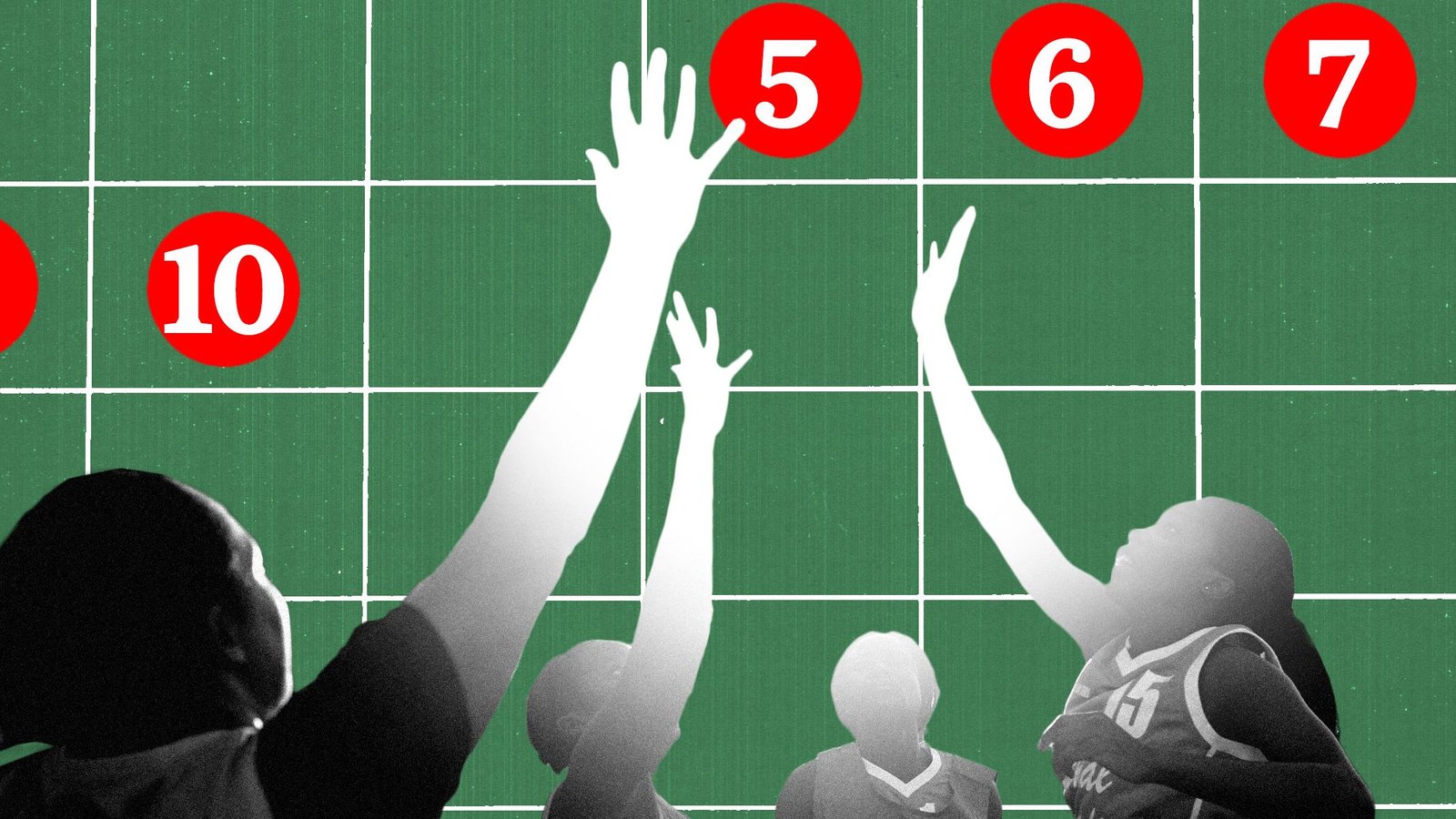
Male sports gamblers are increasingly leveraging pseudoscientific assumptions about WNBA players’ menstrual cycles to inform their bets, a controversial trend dubbed “blood money” that coincides with the league’s record-breaking viewership and attendance this season. As the Las Vegas Aces and Phoenix Mercury face off in the finals, a disturbing subculture of wagering has surfaced where bettors attempt to predict athletic performance based on biological cycles.
The Rise of “Blood Money” Strategies in Sports Gambling
The WNBA’s explosive growth—surpassing 2.5 million in attendance this summer—has brought a new wave of scrutiny and sophisticated, albeit ethically questionable, gambling tactics. Influencers like the anonymous “FadeMeBets” have gained significant traction on social media by promoting menstrual cycle-based wagering strategies. FadeMeBets claims an 11-for-16 success rate, representing a 68.75 percent accuracy level. While he admits the influx of gamblers increases WNBA viewership, the nature of this attention remains highly contentious.
This trend thrives on the newfound household recognition of stars like Caitlin Clark, Angel Reese, and Paige Bueckers. However, experts warn that these betting strategies are rooted more in sexism than actual data. Dr. Amy West, a sports medicine physician, dismisses the ability of external observers to predict individual cycles. “Not every woman is the same,” West explains, noting that cycle lengths and symptoms vary wildly month to month, making outside predictions “actually kind of silly.”
Pseudoscience vs. High-Performance Metrics
Bettors like FadeMeBets utilize a mix of public data and assumptions to build their “models.” The process involves tracking two primary metrics: Field Goal Percentage (efficiency) and Plus/Minus (on-court impact). By monitoring these stats over a 24-to-38-day window, gamblers look for performance dips that they attribute to the “late luteal phase”—the period after ovulation but before menstruation.
A specific example occurred this summer involving Caitlin Clark. FadeMeBets advised followers to “bet the under,” predicting Clark would score lower than the oddsmakers’ lines due to a supposed “decrease in cardio and strength” related to her cycle. While Clark did underperform in that specific game, Dr. West emphasizes that such correlations are scientifically shaky. She points out that hormonal states with low progesterone and estrogen can actually enhance performance for some athletes. Furthermore, the widespread use of hormonal contraceptives allows many players to skip periods entirely, rendering external tracking impossible.
The Ethics of “Victim” Rhetoric and Harassment
The language used within these gambling circles often borders on predatory. FadeMeBets frequently opens his videos with the phrase, “We’ve got a victim, boys,” claiming he refers to the sportsbook’s betting lines rather than the athletes. However, his actions suggest a more aggressive approach to engagement. He admitted to using an anonymous “alt account” to post manipulative comments directed at Chicago Sky’s Courtney Vandersloot to “mess with her emotions” before a game, a move he later expressed regret for, citing a desire for social media engagement.
Other influencers, such as Colin Myers, have also capitalized on this trend. Myers directed his followers to “hammer the under” on Indiana Fever’s Lexie Hull after she mentioned her period in a video. Meanwhile, comedian James McCann noted on a podcast that some gamblers use injury reports—specifically mentions of “soreness”—as proxies to estimate menstrual timelines.
Socioeconomic Repercussions and the Gender Stigma
Beyond the immediate ethics of gambling, advocates argue this trend reinforces damaging stereotypes. Nadya Okamoto, author of Period Power and founder of August, warns that this strategy revitalizes the trope that menstruating people are “emotional” or inherently less efficient. “If there’s this narrative that 25 percent of the month, women are not gonna be competing at the same level, there are very dangerous repercussions,” Okamoto states.
The implications extend to the ongoing battle for pay equity in professional sports. While top WNBA players earn roughly $250,000 annually—a fraction of the multi-million dollar salaries in the NBA—the propagation of “biological weakness” narratives could be used to justify existing wage gaps. As the league’s popularity hits historic highs, the emergence of “blood money” betting serves as a stark reminder of the unique hurdles female athletes face in the digital age.