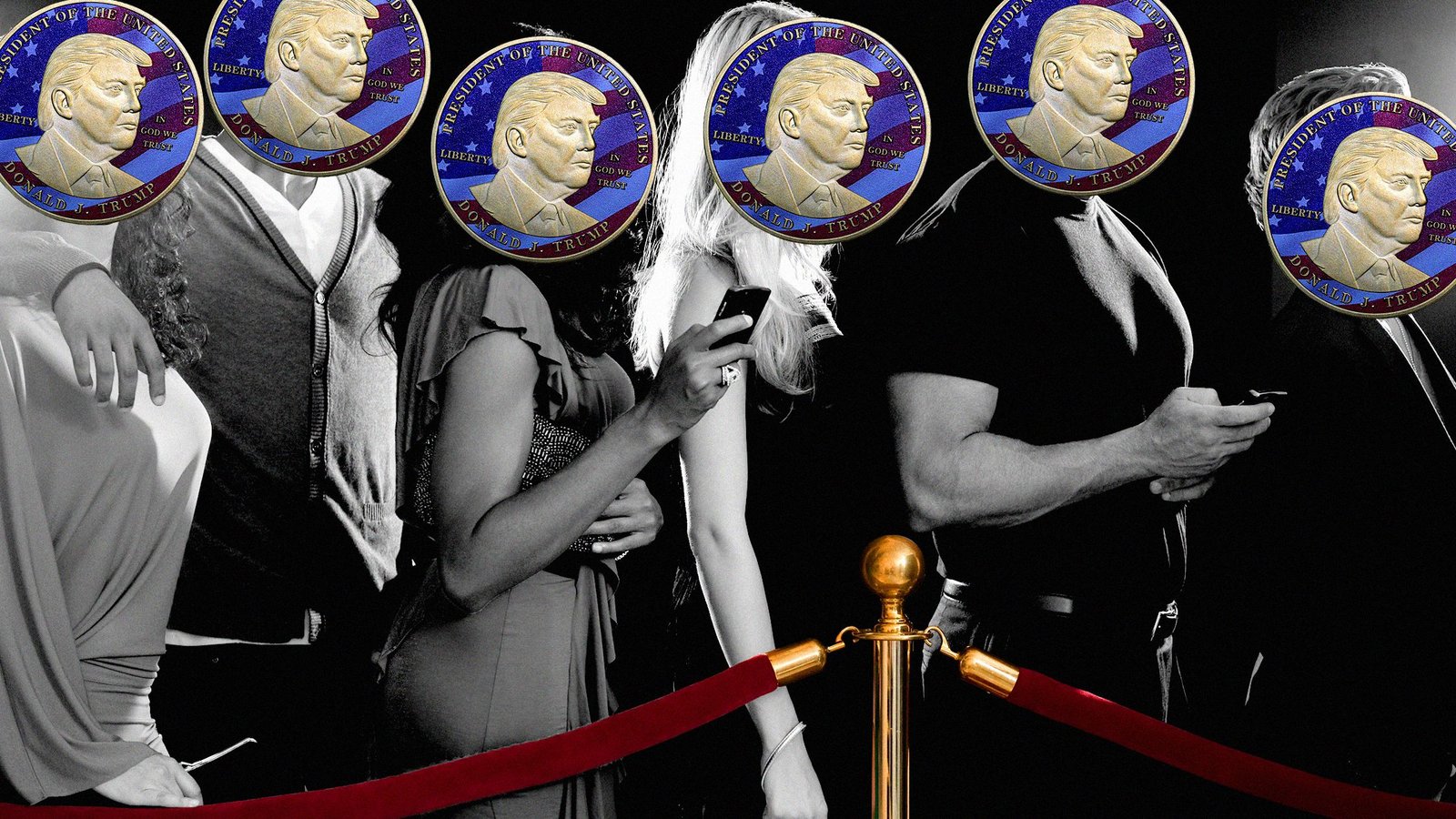
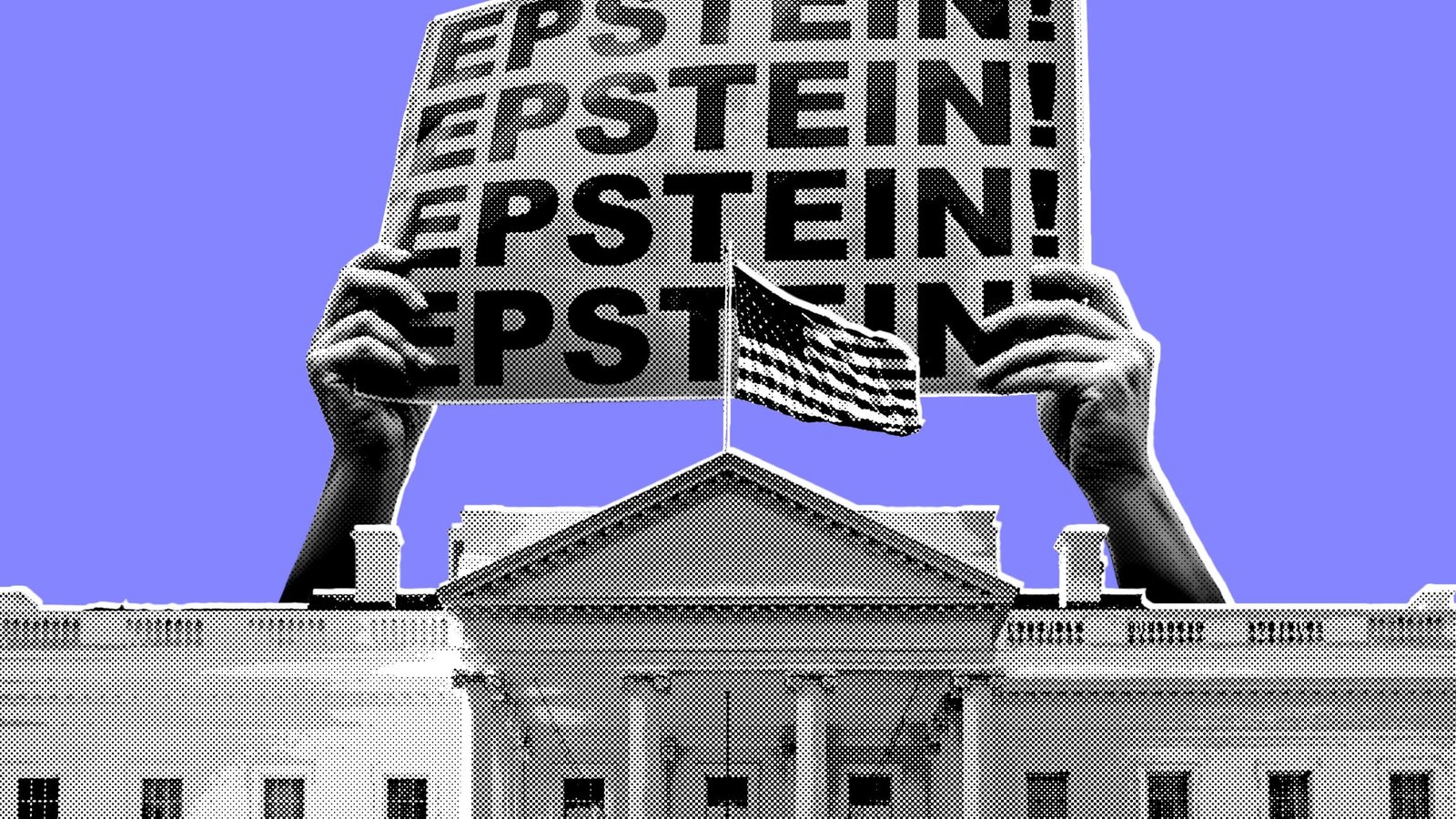
The Trump administration faces a growing internal rebellion as the White House fails to deliver on high-stakes campaign promises to declassify the Jeffrey Epstein files, a move that has left 60% of Americans dissatisfied with the President’s handling of the sex-trafficking scandal. This erosion of trust is particularly acute among “MAGA” loyalists who now view the administration’s hesitation as a betrayal of its anti-establishment mandate.
The Broken Promise of Total Transparency
For years, the Epstein saga served as a powerful narrative engine for the American right, fueled by Donald Trump’s repeated pledges to expose the “Deep State” actors allegedly linked to the deceased financier. However, the reality of governing has clashed with these expectations. A source within the Trump orbit, currently working in conservative media, expressed visceral frustration to reporters: “Honestly, like, fuck Trump. I’m not a conspiracy theorist, but there’s obviously something nefarious that went on.”
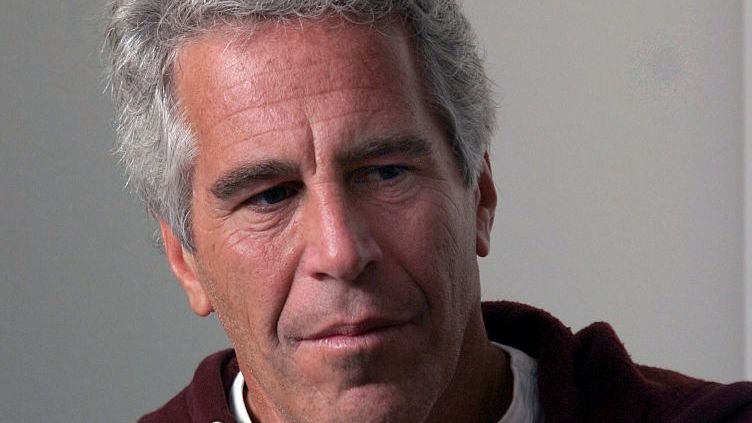
The tension is rooted in the long-standing, yet murky, relationship between Trump and Epstein. While Trump has recently claimed their falling out occurred as early as 2000—a date disputed by court records—his 2002 praise of Epstein as a “terrific guy” who liked “younger” women remains a permanent fixture of the public record. By campaigning on the full release of these documents, Trump created a political trap for himself that he is now struggling to escape.
When Conspiracy Theorists Become the Establishment
A unique challenge for this administration is the composition of its top law enforcement tier. By appointing conservative media figures like FBI Director Kash Patel and Deputy Director Dan Bongino, Trump has effectively brought the loudest critics of the “Deep State” inside the tent. Joseph Uscinski, a political scientist at the University of Miami, notes that these figures have spent years inflating expectations for a “smoking gun” that may not exist.
“The problem is that now you have a bunch of conspiracy theorists who would normally be pointing fingers at the people in power, but now they’re in the coalition of people in power,” Uscinski explains. Despite promises of delivering “THE TRUTH,” the administration has produced little more than a controversial release of prison surveillance footage which, according to reports from WIRED, appeared to have been modified before public viewing.
The Ghislaine Maxwell Pardon Speculation
The potential for executive clemency toward Ghislaine Maxwell has further complicated the narrative. Maxwell’s attorney, David Oscar Markus, has reportedly sought a pardon or immunity in exchange for her testimony before the House Oversight Committee. High-profile supporters like Eric Bolling place the odds of a pardon at 50%, suggesting she may hold information vital to the FBI or DOJ.
Suspicion intensified following a closed-door meeting between Todd Blanche, the Deputy Attorney General, and Maxwell at a federal facility in Florida. Shortly thereafter, Maxwell was transferred to a minimum-security camp in Texas, despite her status as a sex offender typically making her ineligible for such a move. While the DOJ is considering releasing transcripts of interviews with Maxwell, Trump has pivoted, urging his followers on Truth Social to “not waste Time and Energy” on the Epstein case.
Reopening Wounds with Victims’ Families
The President has also faced backlash for his comments regarding Virginia Roberts Giuffre, an Epstein victim who died by suicide in April. Trump alleged that Epstein “stole” her from his Mar-a-Lago club in 2000, claiming this theft caused their friendship to end. Giuffre’s family has hit back at this characterization; her brother told CNN that she wasn’t “stolen” but was “preyed upon” directly on Trump’s property.
Experts suggest that providing factual evidence may no longer satisfy the base Trump cultivated. “Since their beliefs aren’t based on evidence, you’re not going to change their mind with appeals to evidence,” says Uscinski, highlighting the danger of using unverified theories to win electoral support.
The “Crypto Czar” and the Transparency Gap
Parallel to the Epstein controversy, the administration is facing scrutiny over the financial disclosures of David Sacks, the White House “Crypto Czar.” As a special government employee (SGE) and co-founder of Craft Ventures, Sacks occupies a role that influences market structure legislation while maintaining significant private interests.
Information obtained via a Freedom of Information Act (FOIA) request by Democracy Forward revealed that Sacks received two waivers exempting him from public financial disclosures. While an internal ethics waiver noted that Sacks’ firm sold approximately $200 million in crypto assets—with $85 million linked directly to Sacks—the White House maintains that his holdings are not substantial enough to compromise his integrity. Because Sacks is classified as an SGE, his detailed OGE Form 450 remains shielded from public view, leaving questions about potential conflicts of interest unanswered.