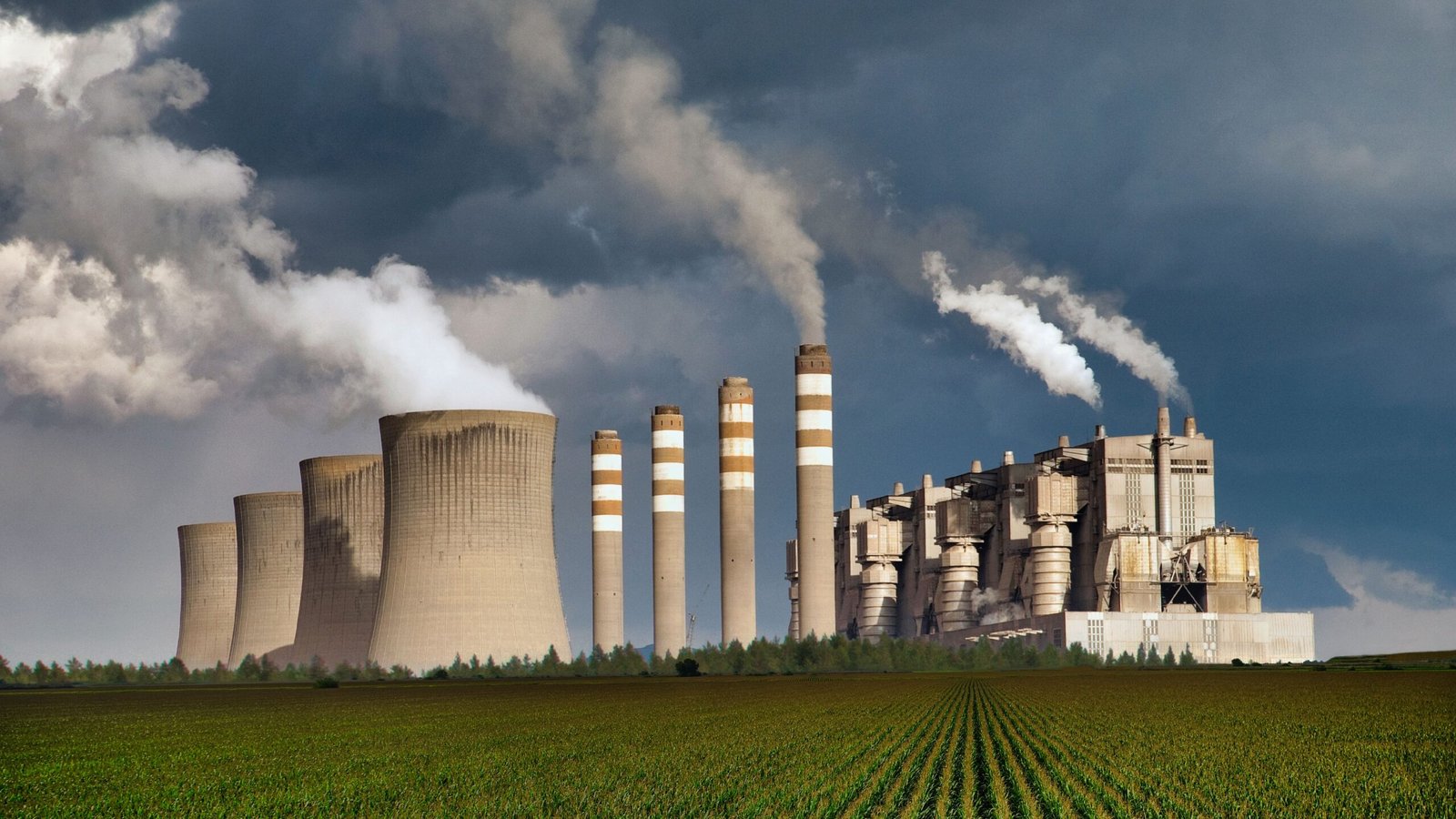
The Trump administration has accelerated a legal challenge against the Environmental Protection Agency’s “endangerment finding,” initiating a high-stakes regulatory rollback this week that seeks to permanently dismantle the federal government’s authority to curb greenhouse gas emissions. This strategic maneuver creates immediate legal and operational instability for major American industries, ranging from fossil fuel producers navigating climate litigation to automakers managing long-term production cycles.
The Scientific Bedrock of U.S. Climate Policy
At the center of the dispute is the 2009 endangerment finding, a scientific and legal determination that identifies six greenhouse gases as threats to public health and welfare. Mandated by the landmark 2007 Supreme Court case Massachusetts v. EPA, this ruling serves as the indispensable foundation for every federal climate mandate, including vehicle emission standards and power plant restrictions.
“I don’t see any plan, any strategy, any end game,” says Pat Parenteau, a professor of environmental law at Vermont Law and Graduate School. “I don’t see anything from this administration, just fuck everything up as much as you can. You can print that.”
A Decades-Long Ideological Campaign
The effort to neutralize the EPA’s authority is the culmination of nearly twenty years of pressure from conservative think tanks, including the Heritage Foundation and architects of the Project 2025 plan. Internal resistance dates back to the Bush administration, where officials famously refused to open an EPA email detailing the climate risks to avoid acknowledging the science. While previous Trump-era EPA administrators avoided a direct assault on the finding due to its legal resilience, the current administration has abandoned that caution, fueled by regulatory documents funded by outside interest groups.
Industry Paradox: Why Stability Matters More Than Deregulation
Contrary to the administration’s deregulation narrative, the rollback faces significant pushback from the very sectors it claims to liberate. Major oil corporations often rely on the EPA’s regulatory authority as a legal shield; they argue in court that because the federal government controls climate policy under the Clean Air Act, state and local governments cannot sue them for climate-related damages. The American Petroleum Institute has already sought clarification, hoping to limit the rollback to vehicle emissions while keeping stationary source protections intact.
“Industry has generally been in favor of stability in this space and having EPA maintain its regulatory authority,” explains Meghan Greenfield, former senior counsel at the EPA. “The endangerment finding serves this really important purpose in providing a level playing field.”
A “Spaghetti on the Wall” Legal Strategy
Critics describe the administration’s draft rollback as a desperate collection of unproven theories. The proposal argues that because greenhouse gas emissions are a global phenomenon, they fall outside the jurisdiction of the U.S. Clean Air Act—an argument many legal experts dismiss as meritless. Furthermore, the administration’s reliance on a Department of Energy report authored by climate contrarians has drawn fire from the scientific community.
“The proposal pretty much threw spaghetti on the wall,” says Rachel Cleetus, a senior policy director at the Union of Concerned Scientists. “There’s just all kinds of arguments, all of them without merit—Clean Air Act arguments, science arguments, cost arguments.”
The scientific credibility of the rollback is further weakened by reports that researchers’ work was misrepresented to support the administration’s claims. Parenteau remains skeptical of the plan’s survival in a factual review: “I will eat my car if they get upheld on the science.”
The Final Objective: Overturning Supreme Court Precedent
The velocity of this rollback—finalized in months rather than years—suggests the administration is prioritizing a rapid path to the Supreme Court. The ultimate goal appears to be the reversal of Massachusetts v. EPA. If successful, the judicial branch could strip the executive branch of its power to regulate carbon entirely, shifting that responsibility to a frequently deadlocked Congress.
“If they succeed [at the Supreme Court], even the next president couldn’t undo it,” notes Michael Gerrard, director of Columbia Law School’s Sabin Center for Climate Change Law. Such a ruling would represent a seismic shift in American environmental law, effectively ending the federal government’s role in the global climate transition. Despite the conservative majority on the Court, some experts believe the total removal of EPA authority remains a bridge too far for the judiciary.