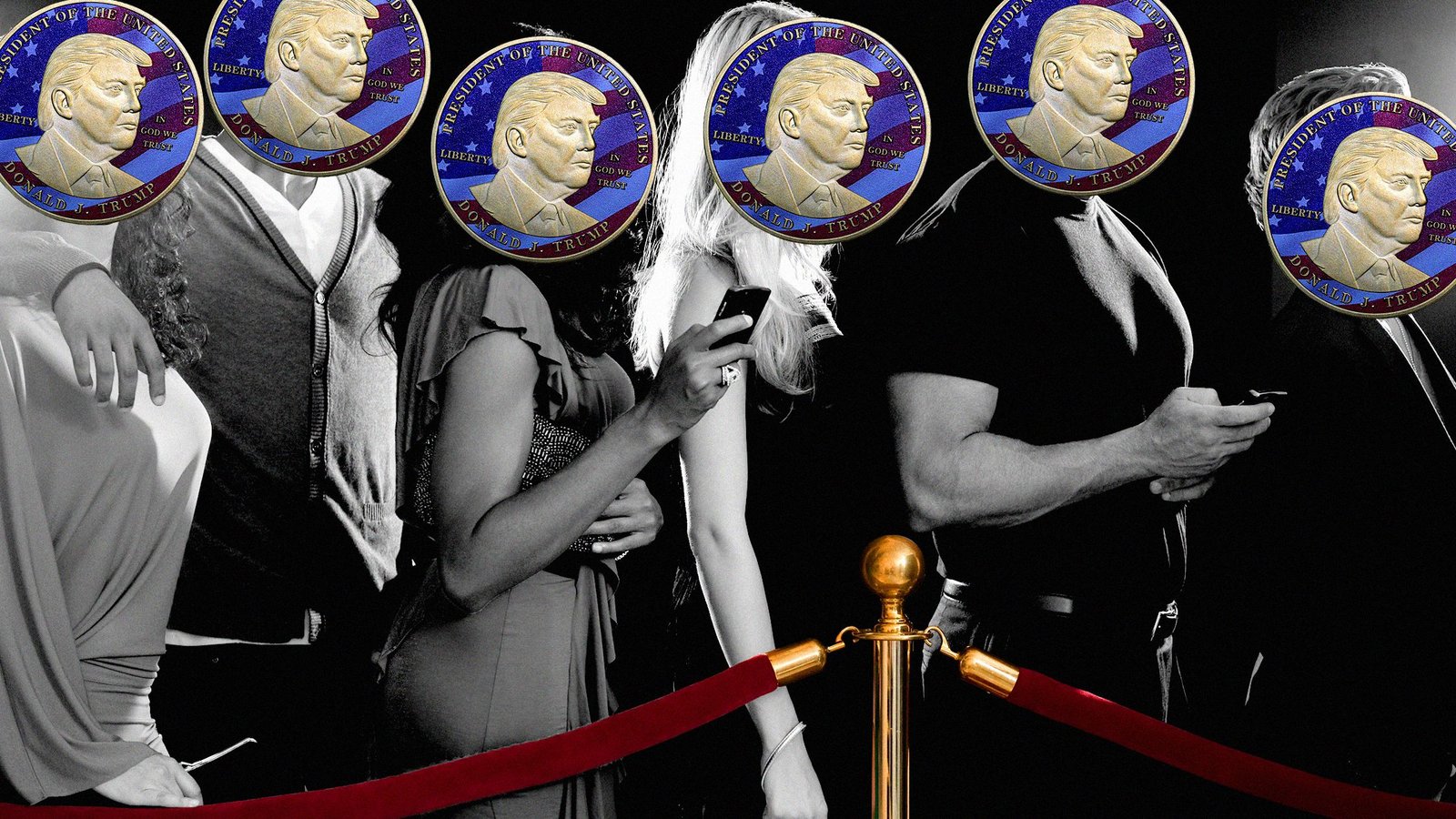
Donald Trump’s exclusive cryptocurrency dinner at the National Golf Club in Washington required attendees to hold millions in “TRUMP” tokens, sparking intense debate over political access and financial ethics. Organizers CIC Digital LLC and Fight Fight Fight LLC—entities controlling 80% of the coin’s supply—marketed the event as a premier opportunity to discuss the future of digital assets directly with the former president. To secure one of the 220 seats, investors had to navigate a high-stakes leaderboard where the price of admission reached astronomical heights.
The Multi-Million Dollar Entry Fee for Political Access
Qualification for the gala depended entirely on the volume and duration of TRUMP coin holdings. Analysis reveals that the minimum threshold for a standard seat sat at approximately 4,196 units, valued at $55,000. However, the competition for the “VIP” tier—which included an intimate reception and a private tour—demanded far more capital. The top 25 holders maintained an average stake of 325,000 coins, representing a market value of roughly $4.3 million at the time of the deadline.
Whales and Market Maneuvers Dominate the Leaderboard
A mysterious investor using the pseudonym “Sun” topped the rankings with 1.43 million TRUMP coins, a portfolio exceeding $19 million. While speculation linked the wallet to billionaire Justin Sun, reports suggest the assets belong to an exchange where he serves as a global adviser. Other high-net-worth participants, such as an investor named “Woo,” executed late-stage strategies by purchasing over $13 million in tokens just weeks before the event to leapfrog into the top ten.
Strategic Sell-Offs and the Memecoin Trap
The TRUMP token operates as a memecoin, a speculative asset class devoid of traditional revenue models or underlying business structures. Since its launch on January 17, the coin has experienced extreme volatility, plummeting 80% from its initial peak before the dinner announcement triggered a fresh trading frenzy. This volatility prompted nearly 35 gala attendees to liquidate their positions immediately after securing their spots, seeking to lock in gains before the anticipated post-deadline price slump.
Legislative Pushback Against Digital “Money Grabs”
The event has reignited fierce criticism from lawmakers who view the memecoin as a vehicle for unethical self-enrichment and potential foreign influence. Democratic Senator Jon Ossoff characterized the dinner as a “quid pro quo” arrangement, arguing that Trump is granting access to those who directly inflate his personal wealth. In response, Congressman Sam Liccardo introduced the “MEME Act,” a legislative effort designed to prohibit elected officials from launching speculative tokens.
While the Republican-controlled Congress makes the passage of the MEME Act unlikely, the controversy highlights a growing divide over the intersection of executive power and decentralized finance. Critics maintain that these digital assets provide a “cloak” for untraceable payments from special interests, while event participants like Rudy Rong of MemeCore view the gala as a legitimate branding and networking milestone in the evolving crypto landscape.