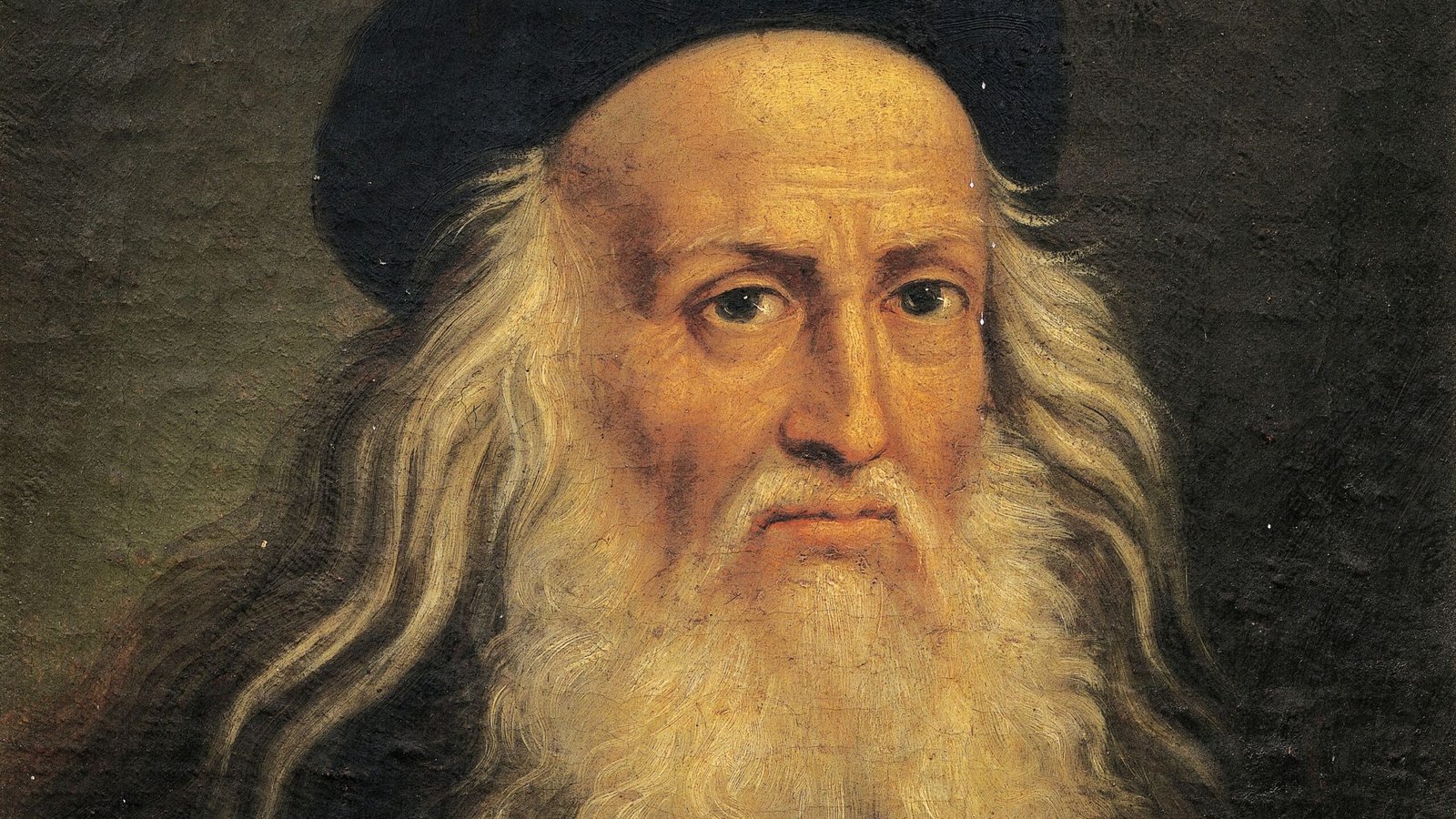
Researchers from the Leonardo Da Vinci DNA Project (LDVP) identified potential genetic traces of the Renaissance master on the “Holy Child” red chalk drawing using non-invasive swabbing techniques to extract biological material without damaging the artifact. This breakthrough, detailed in the preprint journal bioRxiv, marks a significant advancement in applying metagenomics to cultural heritage, aiming to authenticate historical works through the artist’s own biological signature.
Advanced Metagenomics Reveal Genetic Markers on Renaissance Art
To capture DNA from such a delicate medium, the LDVP team employed an extremely gentle swabbing method designed to prevent contamination while preserving the physical integrity of the drawing. Laboratory analysis uncovered a complex mixture of non-human biological material alongside sparse male-specific human DNA signals. These findings demonstrate that even centuries-old artifacts retain microscopic evidence of their creators and handlers, providing a baseline for future conservation science.
The E1b1b Lineage and the Search for Leonardo’s Signature
The genetic analysis pinpointed markers within the E1b1b clade on the Y chromosome, a lineage frequently observed across southern Europe, Africa, and parts of the Middle East. While the researchers suggest some of this material may originate from Leonardo da Vinci himself, they also detected mixed DNA contributions consistent with modern handling. This genetic profile serves as a critical data point for hypothesis-driven investigations into the provenance and handling history of Renaissance masterpieces.
Scientific Hurdles in Authenticating the Master’s DNA
Despite the promising data, the scientific community remains cautious regarding definitive identification. David Caramelli, an anthropologist at the University of Florence and LDVP member, emphasized that establishing an unequivocal identity is exceptionally complex. The primary obstacle lies in the lack of a confirmed reference sample; Leonardo da Vinci left no known direct descendants, and his burial site was breached during the early 19th century.
Current efforts focus on refining the workflow for conservation science and authentication. The LDVP scientists now aim to collaborate with curators and custodians of Da Vinci’s extensive notebooks and artworks. By expanding their sampling pool, the team hopes to secure more conclusive evidence that could finally bridge the gap between historical art and biological reality.