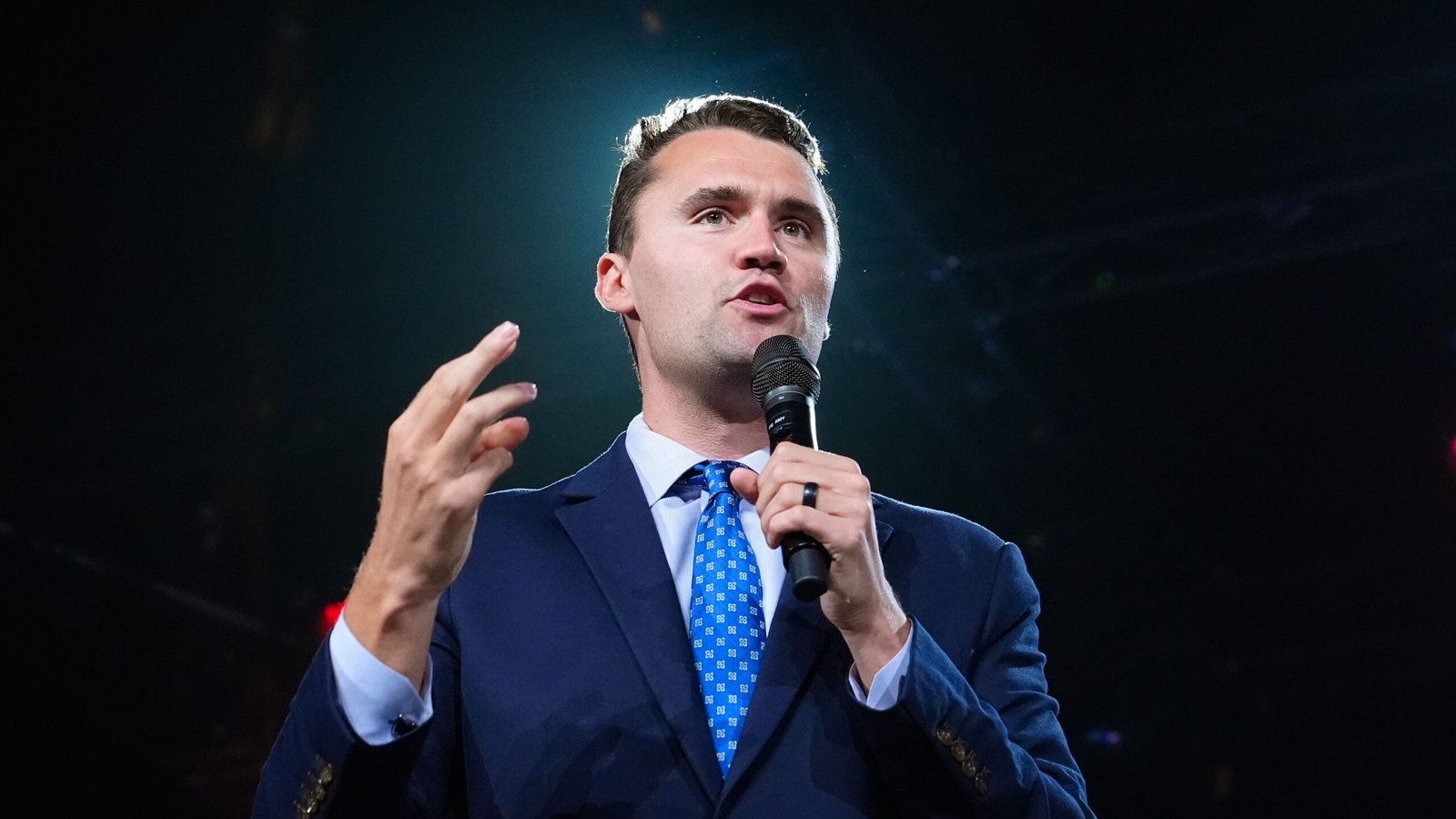
Conservative activist and Turning Point USA founder Charlie Kirk was killed Wednesday afternoon following a targeted shooting at Utah Valley University (UVU), an event that has triggered a national security investigation and a period of federal mourning. The 31-year-old leader of the influential right-wing organization was struck by gunfire at approximately 12:30 p.m. local time while hosting his “American Comeback Tour” on the Orem campus.
Rooftop Sniper Attack and Law Enforcement Response
The shooting prompted an immediate lockdown of the UVU campus as law enforcement moved to secure the area. During a press conference held Wednesday evening, investigators revealed that the fatal shot originated from an elevated position on a nearby building. Surveillance footage from the campus captured an individual dressed in black moving in the vicinity of the rooftop at the time of the incident.
While UVU campus police initially detained a suspect, officials later clarified that this individual was not the shooter. That person now faces charges for obstruction of justice. FBI Director Kash Patel confirmed via social media that a “person of interest” is currently in federal custody and undergoing interrogation. Despite the arrest, local authorities and federal agencies have not yet released a motive for the attack.
Graphic Footage Documents Kirk’s Final Moments
Video evidence of the assassination began circulating on social media platforms shortly after the gunfire erupted. The footage depicts Kirk seated at a table beneath a white event tent, engaging with students. A single, sharp crack precedes the appearance of a severe wound on the left side of Kirk’s neck. The activist suffered significant blood loss and collapsed from his chair as the surrounding crowd descended into panic.
Witnesses at the scene described a chaotic environment. One UVU student, positioned directly across from the tent, reported that the realization of the shooting caused immediate screams and a stampede of students seeking cover. The university’s security protocols were activated within minutes of the first report.
Political Leaders React to the Death of the MAGA Figurehead
The news prompted a wave of tributes from high-ranking Republican officials. Former President Donald Trump issued a statement on Truth Social, hailing Kirk as a “legendary” figure who understood the “Heart of the Youth” in America. Trump subsequently ordered all United States flags to be flown at half-mast until Sunday evening in Kirk’s honor. Vice President JD Vance also offered public condolences, calling for “eternal rest” for the activist.
Tensions Surrounding the “American Comeback Tour”
Kirk’s presence at Utah Valley University was part of a controversial speaking tour characterized by his “prove me wrong” debate format. The tour had recently faced significant opposition; at both UVU and Utah State University, thousands of students and faculty members signed petitions demanding the cancellation of his appearances. Critics of the organization had previously labeled the tour a “campus martyr” strategy, designed to provoke viral confrontations.
Utah’s Campus Firearm Regulations
The incident has also brought scrutiny to Utah’s gun laws. Under Utah Code 76-10-505.5, individuals with valid permits are legally allowed to carry concealed firearms on public university campuses. UVU’s official policy adheres to this state standard, which exempts concealed weapon permit holders from the general prohibition of firearms on school grounds.
The Legacy of Turning Point USA
Since its inception in 2012, Turning Point USA has evolved from a grassroots student group into a powerhouse of Christian nationalist conservatism and right-wing activism. Under Kirk’s leadership, the organization and its affiliate, Turning Point Action, became central pillars of the MAGA movement, raising millions of dollars to fund “chase the vote” initiatives and support candidates focused on election integrity. Kirk had consistently framed his campus appearances as a necessary defense of free speech against what he described as institutional bias.