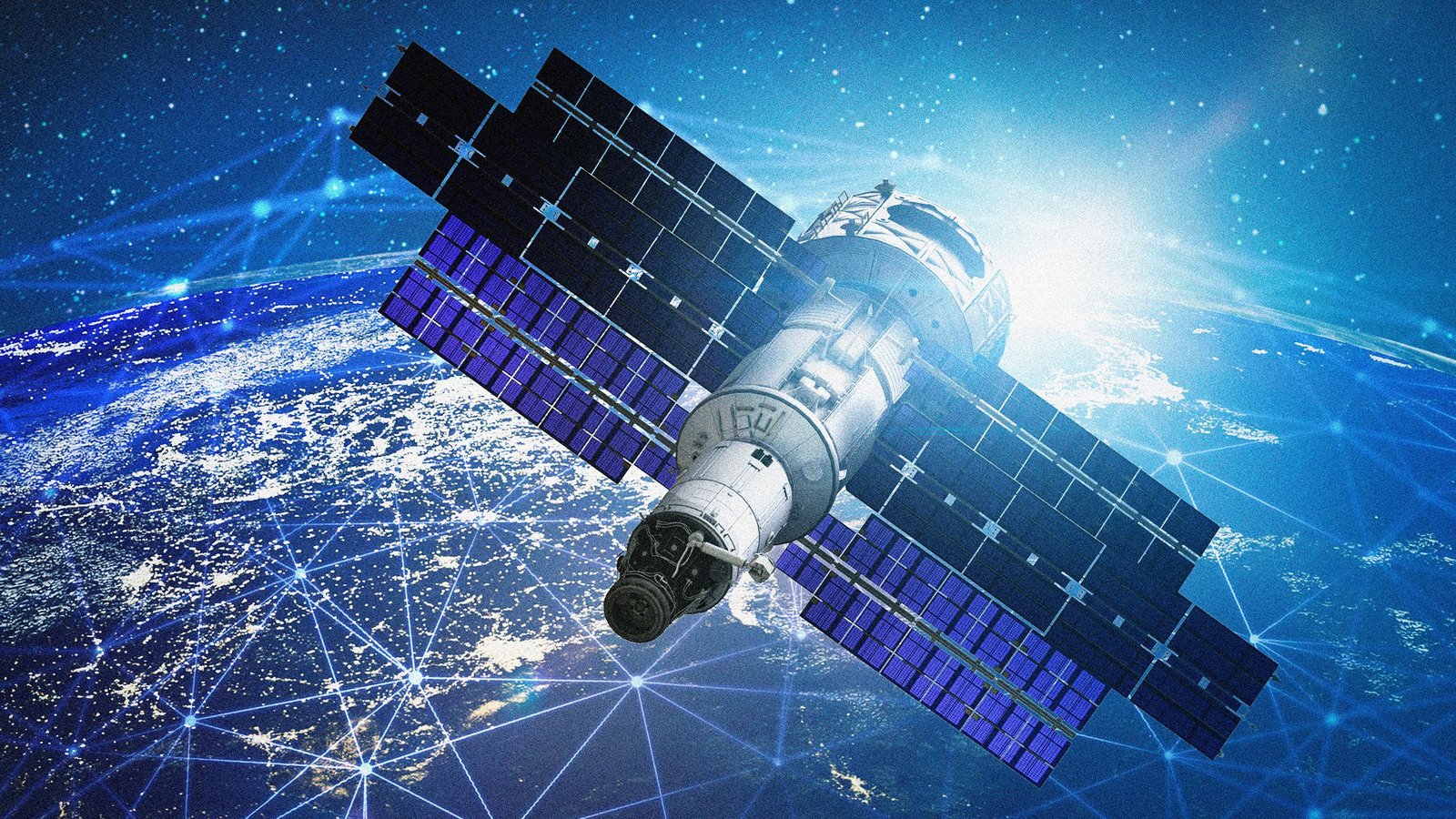
Tech innovators are exploring orbital data centers as a radical solution to the massive water and energy demands of terrestrial AI infrastructure, aiming to bypass Earth’s resource constraints through space-based solar power. As high-density AI chips generate extreme heat, traditional facilities now consume millions of gallons of water daily for evaporation-based cooling, triggering intense local opposition and “Not In My Backyard” (NIMBY) protests. Moving these energy-hungry systems into low Earth orbit suggests a future of 24/7 solar energy and infinite cooling, yet the fundamental laws of physics present a much harsher reality.
Why Terrestrial Cooling Is Reaching a Breaking Point
On Earth, the rapid expansion of artificial intelligence has created a logistical nightmare. Modern AI clusters require liquid cooling to prevent hardware failure, often utilizing water evaporation techniques that are significantly more efficient than simple air circulation. However, this efficiency comes at a steep environmental price, as a single large-scale data center can drain local aquifers. This resource depletion has fueled a global pushback against new projects, forcing the industry to look toward the stars for a sustainable alternative.
The Physics of Orbital Heat Management
The primary hurdle for space-based computing is the conservation of energy. In any closed system, the energy input must equal the energy output plus any internal changes. On Earth, a standard 300-watt computer functions essentially as a space heater, transferring heat to the surrounding air through conduction. Because air molecules physically touch the hot components, the transfer is rapid and efficient.
Why Conduction Fails in a Vacuum
Space is not “cold” in the traditional sense; it is a vacuum, meaning it lacks the matter necessary to hold a temperature. Without air or water to facilitate conduction, an orbiting data center can only shed heat through thermal radiation. This process is governed by the Stefan-Boltzmann law, which dictates that the power radiated is proportional to the object’s surface area and the fourth power of its absolute temperature. While a small consumer PC might radiate enough heat to stay functional in orbit, scaling this to AI-grade workloads creates a catastrophic thermal imbalance.
The Scaling Trap: Why Size Matters in Orbit
The math of orbital mechanics works against large-scale structures. As a data center increases in size, its volume—and therefore its heat-generating capacity—grows cubically, while its surface area for radiation only grows quadratically. A Walmart-sized data center in space would lack the necessary surface area to dissipate the megawatts of heat it generates, leading to a literal meltdown of the hardware.
To manage a 1-megawatt load, an orbital facility would require nearly 1,000 square meters of dedicated radiation panels. Unlike solar panels, these radiators require complex plumbing systems, such as the ammonia loops used on the International Space Station, to move heat from the processors to the external fins. The weight of these cooling systems drastically increases launch costs, making massive orbital structures economically and physically unfeasible.
From Mega-Structures to Satellite Swarms
Because cooling efficiency depends on a high surface-area-to-volume ratio, the future of space computing lies in decentralization. Rather than a single massive hub, proponents are now advocating for “swarms” of thousands of small satellites. Initiatives like Google’s Project Suncatcher and recent FCC filings by SpaceX suggest a shift toward launching millions of micro-satellites capable of distributed AI processing.
The Looming Threat of Orbital Congestion
This decentralized approach introduces a new set of risks. With over 10,000 active satellites and tons of debris already cluttering low Earth orbit, the addition of millions of AI satellites significantly increases the probability of collisions. Such a surge in orbital traffic could trigger a Kessler cascade—a chain reaction of collisions that could render Earth’s orbit unusable for generations. While theoretically possible, the transition of AI to the cosmos remains a high-stakes gamble against both physics and orbital safety.