
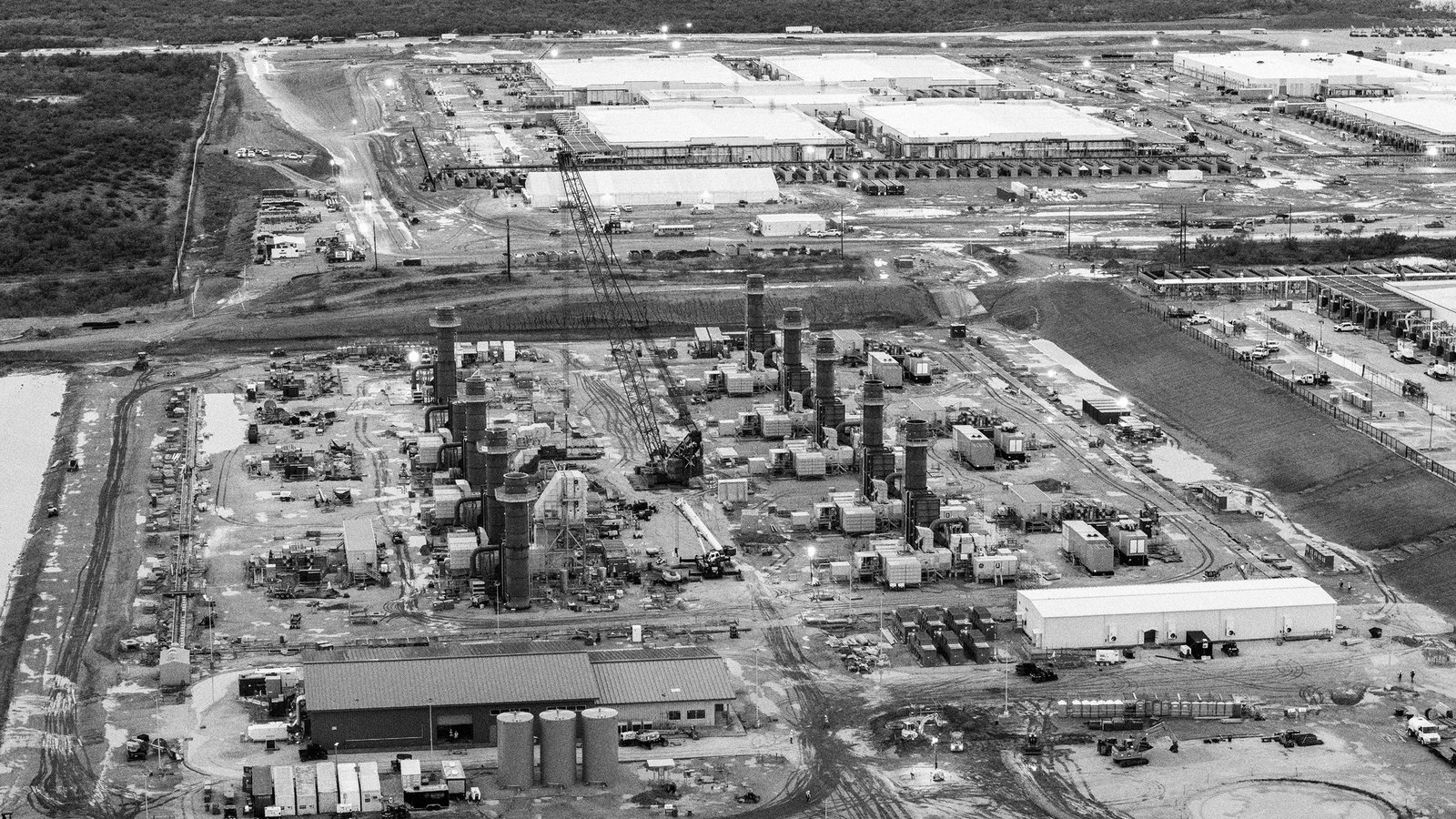
The rapid expansion of data centers has triggered a massive 97-gigawatt surge in US natural gas power proposals, threatening to expand the nation’s gas fleet by nearly 50% as the tech industry scrambles for energy amid federal deregulation. According to a new report from San Francisco–based nonprofit Global Energy Monitor (GEM), this infrastructure boom signals a significant pivot in the American energy landscape, driven by the insatiable power requirements of Artificial Intelligence and cloud computing.
A Massive Expansion of the US Energy Grid
Building out the entirety of the gas-fired infrastructure currently in development would increase the existing US gas fleet by approximately 50%. The nation currently maintains 565 gigawatts of gas-fired power on the grid; however, the development pipeline has swelled to include an additional 252 gigawatts. To put this in perspective, a single gigawatt can power up to one million homes, depending on regional energy consumption patterns.
This surge represents a dramatic shift in demand. In early 2024, GEM logged 85 gigawatts of gas-fired power in development, with only 4 gigawatts explicitly linked to data centers. By 2025, that figure skyrocketed to over 97 gigawatts specifically earmarked for tech facilities—a nearly 25-fold increase in just one year. “About a year and a half ago, we started to see this increase in proposals for data centers specifically,” notes Jenny Martos, a research analyst at Global Energy Monitor.
The Environmental Cost of the AI Revolution
While natural gas is often marketed as a cleaner alternative to coal, the scale of this build-out poses severe climate risks. Natural gas combustion accounted for 35% of US energy-related CO2 emissions in 2022. However, the more immediate threat lies in methane leaks during extraction. Methane is 80 times more potent than CO2 over a 20-year period, making it a critical driver of short-term global warming.
“Gas is cleaner when burnt than coal, but when you’re talking about this much gas, you’re talking about a lot of CO2 associated with it, too,” explains Jonathan Banks, a senior climate adviser at Clean Air Task Force. He emphasizes that while efficient plants with zero methane leakage are significantly cleaner than coal, the gap closes rapidly when methane emissions are factored in. This environmental concern is amplified by the current administration’s move to roll back pollution regulations and extend deadlines for tracking methane leaks.
Logistics and the “Turbine Shortage” Reality Check
The race for power has forced developers to seek alternatives to the traditional grid. Many are now proposing on-site gas turbines to bypass years-long waiting lists for grid connections. This “behind-the-meter” strategy allows data centers to operate independently, though it complicates national emission tracking. Simultaneously, the desperation for energy has revitalized the coal industry, with several plants receiving extensions on their retirement dates due to favorable federal policies.
Despite the aggressive projections, several factors may stifle this gas boom:
- Supply Chain Constraints: A global shortage of gas turbines remains a primary bottleneck. Currently, two-thirds of the projects tracked by GEM lack a confirmed turbine manufacturer.
- Efficiency Gains: Rapid advancements in AI training models and data center cooling technologies may reduce projected energy needs.
- Speculative Proposals: Developers often “shop around” for power across multiple utilities, which can artificially inflate demand figures.
Currently, just under 30 gigawatts of gas-fired power are actively under construction, while 159 gigawatts remain in the preconstruction phase. “AI is not going away—we know that,” Banks concludes. The primary challenge now lies in mitigating the environmental footprint of the infrastructure required to sustain it.