OpenAI is shuttering its video-generation tool, Sora, to consolidate technical resources and streamline its product roadmap ahead of a highly anticipated initial public offering (IPO). The decision, confirmed by Chief Financial Officer Sarah Friar, marks a definitive end to the company’s experimental “incubator” phase as it transitions into a market-ready corporate entity.
From Silicon Valley Incubator to Public Market Contender
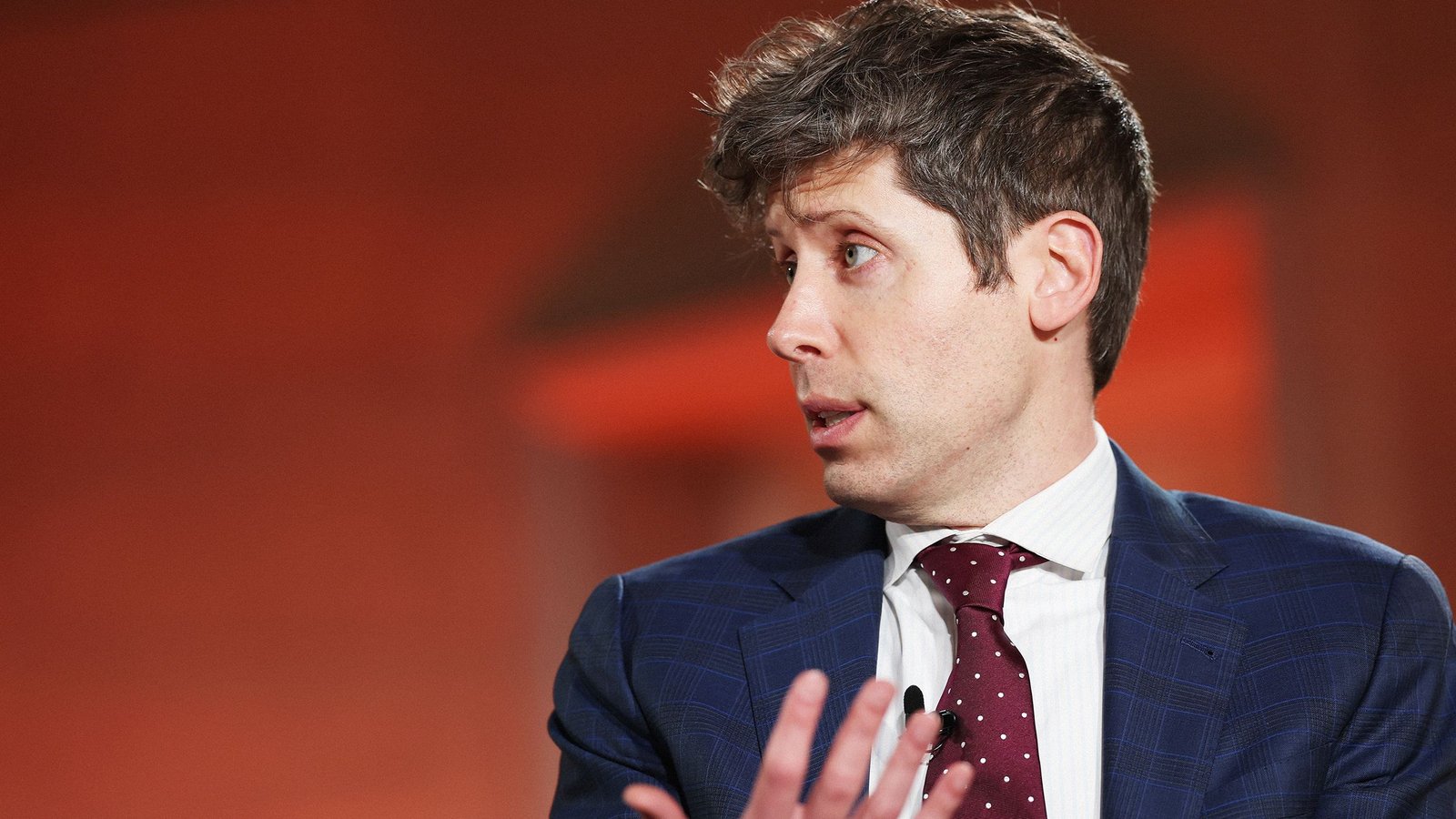
Since the debut of ChatGPT, CEO Sam Altman has managed OpenAI with the expansive philosophy of Y Combinator, aggressively funding diverse projects ranging from robotics and hardware to specialized AI agents. However, the requirement to be “ready to be a public company,” as Friar recently told CNBC, has forced a rigorous prioritization of capital and compute power. This shift moves OpenAI away from its historical “bottom-up” culture—where researchers dictated resource allocation—toward a top-down executive mandate designed to maximize efficiency.
The Decline of Sora and the GPU Crisis
Despite the initial viral success of Sora, the product’s commercial momentum stalled significantly. Data from third-party analytics firm Appfigures reveals that Sora app downloads plummeted from a peak of 3.3 million in November 2025 to just 1.1 million by February 2026. Internal sources indicate that maintaining Sora’s massive GPU requirements spread OpenAI’s infrastructure too thin, hindering more profitable ventures. Consequently, the Sora research team will now pivot to “world simulation research,” focusing on robotics applications intended to solve physical, real-world tasks rather than consumer media generation.
The Rise of the AI “Super App”
OpenAI’s new strategy centers on the development of a “super app” that integrates ChatGPT, Codex, and Atlas into a single consumer interface. This unified ecosystem aims to fulfill the long-standing promise of a “super assistant”—an AI agent capable of executing complex digital tasks autonomously. While previous iterations like “Operator” saw limited adoption, leadership believes a consumer-facing agent built on the robust Codex framework will better resonate with the current user base.
Codex: The Billion-Dollar Enterprise Engine
While Sora struggled, OpenAI’s coding agent, Codex, emerged as a financial powerhouse. Codex surpassed $1 billion in annualized revenue in January, effectively catching up to rivals like Anthropic. By doubling down on Codex and enterprise solutions, OpenAI is strengthening its balance sheet to appeal to institutional investors during the IPO process.
Disney Partnership Collapses Amid Strategic Shift
The decision to abandon Sora has triggered immediate external fallout, most notably the termination of a massive partnership with Disney. The entertainment giant, which had previously committed to a $1 billion investment in OpenAI, was reportedly blindsided by the pivot. Disney has since withdrawn its investment plans, signaling a cooling of relations between Hollywood and the AI leader.
Internal Friction and Talent Retention Risks
The era of focus is also creating volatility within OpenAI’s talent pool. As the company narrows its scope, high-level researchers are finding their “big bet” projects deprioritized. In January, VP of Research Jerry Tworek exited the company following resource allocation disputes. With Meta, Google DeepMind, and Anthropic aggressively recruiting, OpenAI faces the challenge of maintaining its elite workforce while enforcing a more restrictive, product-driven corporate structure.