South Carolina health officials confirmed Wednesday that the state’s escalating measles outbreak has triggered cases of life-threatening brain swelling in children, marking a dangerous turn in a crisis that has seen 876 infections since October.
A Rapid Surge in Regional Infections
The epidemic, which began with a cluster of cases last fall, has accelerated violently in the new year. Of the 876 confirmed infections reported through February 3, more than 700 occurred after January 1. This localized explosion reflects a broader national trend; in 2025, the United States recorded 2,267 measles cases—the highest volume in three decades—largely attributed to a steady decline in pediatric vaccination rates across the country.
The Lethal Mechanics of Measles Encephalitis
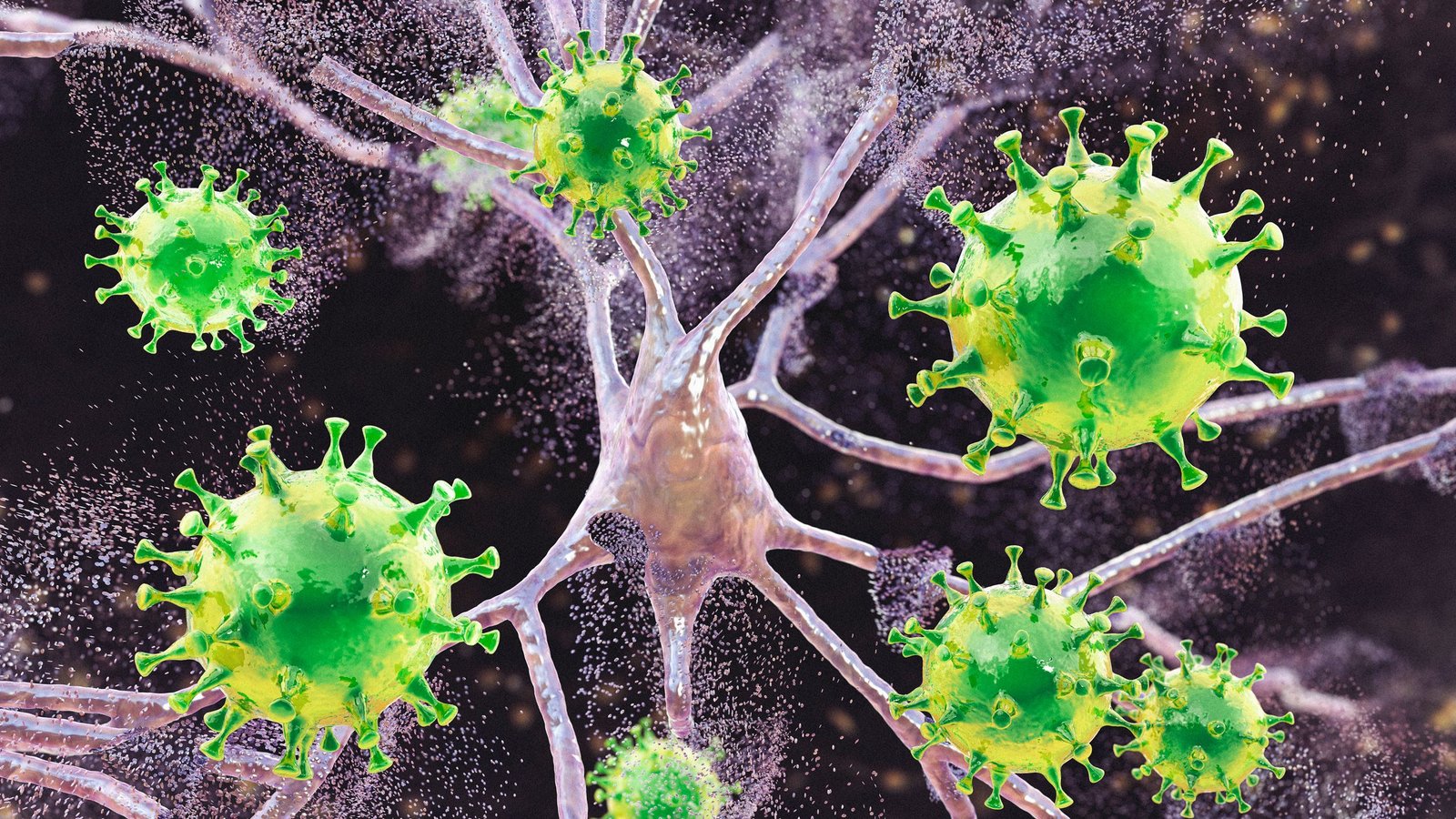
State Epidemiologist Linda Bell identified encephalitis, or acute brain inflammation, as one of the most severe complications surfacing in the current outbreak. While rare, encephalitis typically manifests within 30 days of infection, either through direct viral invasion of the brain or a hyper-inflammatory immune response. The condition is devastating: between 10 and 15 percent of children who develop measles encephalitis die, while survivors often face permanent deafness, convulsions, or profound intellectual disabilities.
“We don’t comment on the outcomes of individuals, but we do know that inflammation of the brain, or encephalitis, is a known complication of measles,” Bell stated during a media briefing. She emphasized that neurological impacts, including developmental delays, are frequently irreversible. Although South Carolina law mandates the reporting of measles cases to the Department of Public Health, it does not require providers to disclose specific hospitalizations or secondary complications, leaving the exact number of encephalitis cases currently unknown.
Hospitalizations and Risks to High-Vulnerability Groups
The department has identified at least 19 measles-related hospitalizations within the state. Beyond brain inflammation, several patients have developed pneumonia, a complication affecting approximately one in 20 infected children and the primary cause of measles-related fatalities.
The outbreak also poses a significant threat to maternal health. Several pregnant women exposed to the virus recently required emergency administration of immune globulin—a concentrated antibody solution used to provide temporary protection for the unvaccinated. Measles exposure during pregnancy is linked to severe outcomes, including miscarriage and preterm birth.
The Looming Threat of Latent Brain Destruction
Health experts also warned of Subacute Sclerosing Panencephalitis (SSPE), a fatal, delayed-onset neurological disease. Unlike acute encephalitis, SSPE occurs when the measles virus remains dormant in the brain, only to trigger a destructive inflammatory response seven to 10 years after the initial recovery. In September, Los Angeles County reported the SSPE-related death of a school-age child who had been infected as an infant before they were eligible for the first vaccine dose. While SSPE affects only about two in 10,000 cases, the progressive destruction of brain tissue is invariably fatal.
Vaccination Efforts Intensify in Spartanburg Epicenter
The MMR (measles, mumps, and rubella) vaccine remains the definitive defense against these complications. In response to the crisis, South Carolina saw a 72 percent increase in MMR vaccine administration this January compared to the same period in 2025. The surge was most pronounced in Spartanburg County—the epicenter of the outbreak—where vaccination rates spiked by 162 percent. Bell noted that January marked the most successful month for immunization efforts since the outbreak began.