Global energy markets reacted violently on Monday as Brent crude prices surged nearly 13% to $80 per barrel following joint U.S. and Israeli military strikes against Iran over the weekend. The assassination of Supreme Leader Ayatollah Ali Khamenei has introduced unprecedented volatility into the sector, with analysts warning that White House policy in the coming days will determine if crude reaches triple-digit figures.
The Strait of Hormuz: A Global Energy Chokepoint
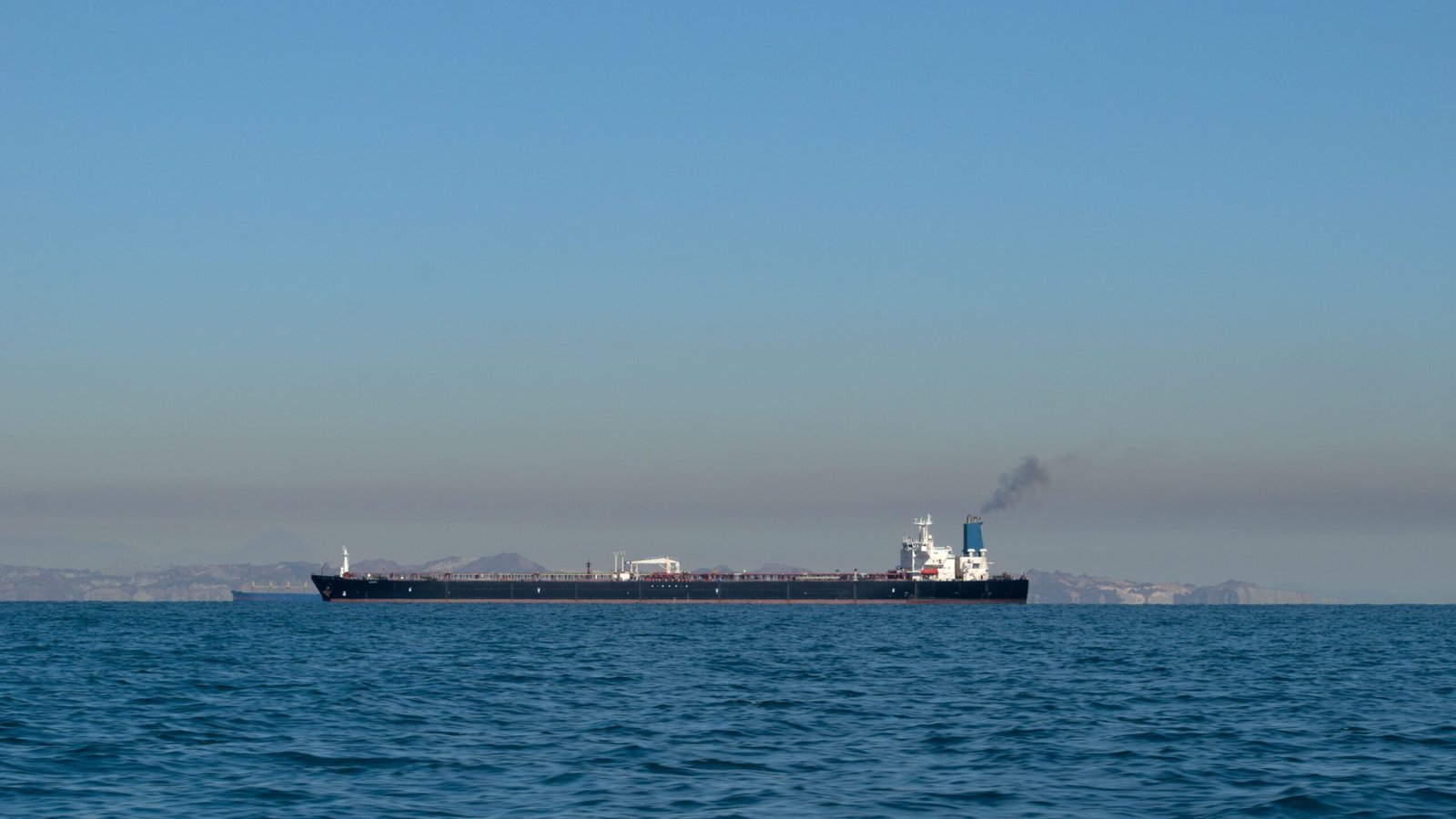
Iran’s strategic control over the Strait of Hormuz remains the primary catalyst for market anxiety. As the transit point for 20% of the world’s oil supply, any disruption to this narrow waterway threatens the stability of OPEC exports. Following the strikes, maritime traffic plummeted to near-zero levels as the region faces what experts describe as a “voluntary closure.”
Rory Johnston, a prominent oil market researcher, notes that while OPEC typically buffers international crises by increasing production, those reserves remain trapped behind the potential blockade. Johnston compares the regional infrastructure to a garden hose where a kink in one section—the Strait—renders the entire supply line ineffective, regardless of capacity on the other side.
Widespread Infrastructure Damage and Supply Shocks
The conflict has already expanded beyond Iranian borders, hitting critical energy hubs. Saudi Arabian officials confirmed the closure of a major domestic refinery following drone attacks, while Qatar LNG—the state-run liquefied natural gas giant—halted production amid regional instability. These disruptions caused immediate spikes in European gas prices, echoing the 2019 attacks on Saudi oil facilities that briefly sent prices up 15%.
Clayton Seigle of the Center for Strategic and International Studies suggests that a desperate Iran may weaponize energy exports as leverage. If major infrastructure suffers permanent damage or tankers permanently abandon Gulf routes, the return of $100-plus crude becomes a near-certainty.
Trump’s Strategic Gamble and Domestic Impact
The timing of the offensive coincides with a critical midterm election year, placing the Trump administration in a precarious position regarding domestic gasoline prices. While U.S. oil producers historically benefit from the high prices seen during global conflicts—such as the 2022 invasion of Ukraine—current market uncertainty and federal tariff policies complicate the financial outlook for domestic shale production.
Tyson Slocum, energy program director at Public Citizen, criticizes the administration’s tactical follow-through. While the U.S. successfully targeted Iranian leadership, it failed to neutralize the regime’s retaliatory capabilities against energy infrastructure. Slocum argues that the lack of a comprehensive secondary plan has introduced a level of uncertainty that markets are struggling to price in.
The Path Ahead for Global Markets
The duration of this price rally depends entirely on the White House’s next moves. Analysts are monitoring whether the administration seeks a rapid de-escalation or prepares for a protracted regional war. With American consumers likely to feel the impact at the pump within days, the political and economic stakes of Trump’s military strategy have reached a critical threshold. The coming weeks will reveal if the administration possesses the stomach for a long-term engagement that could fundamentally reshape global energy costs.