
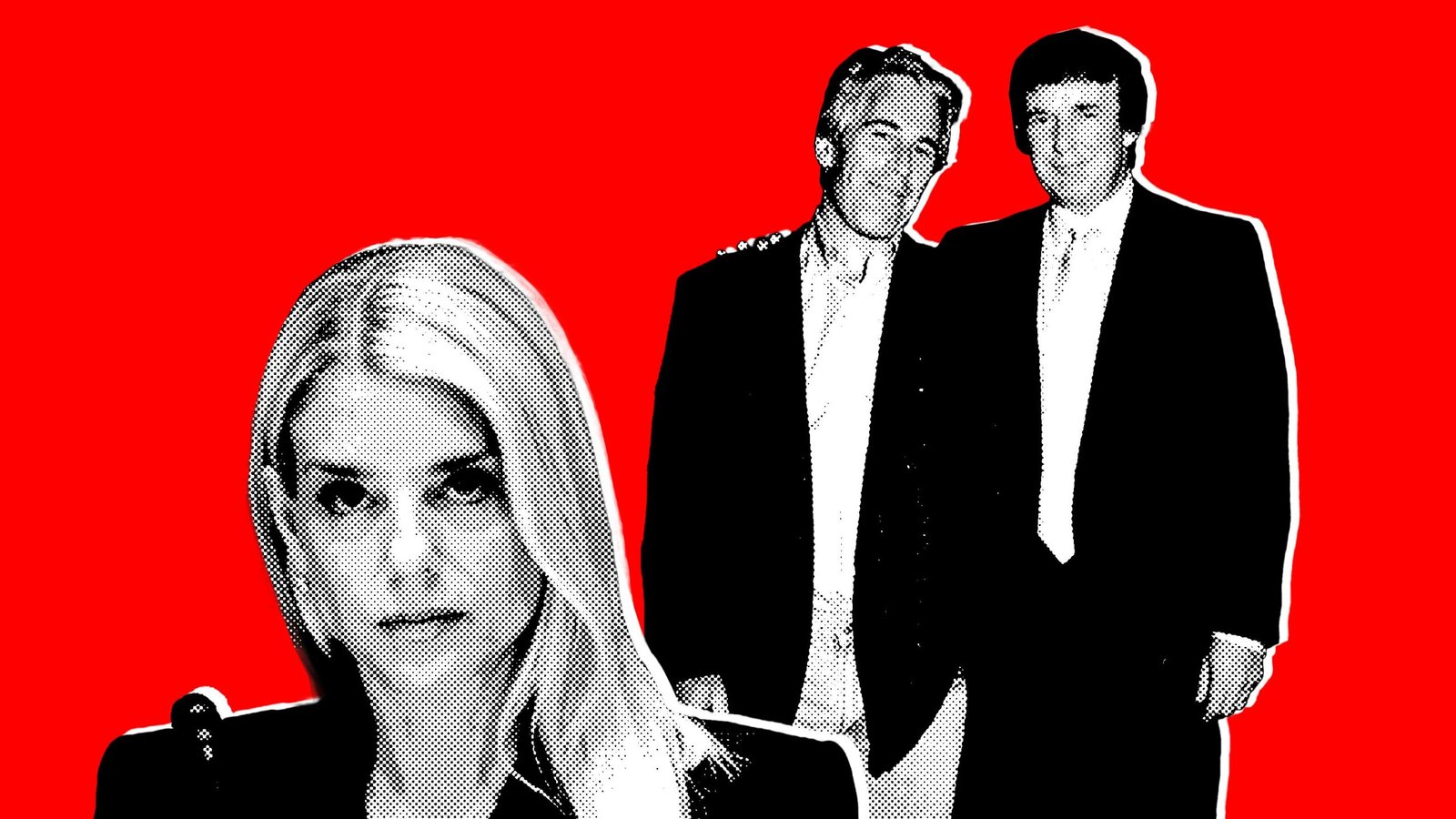
Attorney General Pam Bondi’s recent memorandum asserting that no “incriminating client list” exists within the Jeffrey Epstein case files has triggered an unprecedented uprising within Donald Trump’s core constituency. This official stance directly contradicts years of campaign rhetoric where Trump promised to declassify documents surrounding the disgraced financier’s 2019 death, leaving his most loyal activists and influencers feeling betrayed and demanding immediate transparency.
Influencers Turn on the Administration
The fallout from the Bondi memo has fractured the traditionally unified MAGA media ecosystem. Laura Loomer, a high-profile activist with historically close ties to the president, publicly demanded Bondi’s resignation, insisting that “someone needs to be fired” for the perceived cover-up. Simultaneously, Jack Posobiec utilized the Turning Point USA conference to advocate for a legislative body modeled after the January 6th Committee to investigate the Epstein files. This grassroots pressure reflects a growing sentiment that the administration is protecting the very “Deep State” entities it promised to dismantle.
Internal Dread and Midterm Risks
While the White House maintains a facade of unbothered confidence, internal deliberations reveal a different reality. Trump advisers, speaking on the condition of anonymity, admit that the Epstein controversy is an “own goal” that could create significant political headwinds as the midterm elections approach. One adviser noted that the administration’s strategy has failed to satisfy a base that was primed for explosive revelations, acknowledging that no answer provided now—regardless of its factual basis—will likely appease those expecting a “client list.”
Republican strategist Matthew Bartlett characterized the situation as more than a political hurdle, describing it as a “massive problem” fueled by a mix of dread and internal drama. Bartlett noted that the gap between the administration’s staffers and the emotional intensity of the base has created an asymmetric conflict that the White House is currently ill-equipped to manage.
Friction Within the House GOP
The Epstein saga has also forced a rare public divergence between Donald Trump and House Speaker Mike Johnson. In a notable break from the executive branch’s narrative, Johnson suggested that the government should “put everything out there” to allow public scrutiny. This sentiment is echoed by Florida Representative Anna Paulina Luna and Colorado’s Lauren Boebert, both of whom have called for the Department of Justice to appoint a special counsel or for the FBI to release further evidence.
The Erosion of Institutional Trust
The current crisis strikes at the heart of Trump’s political identity. Since 2015, his movement has been predicated on the systematic erosion of trust in federal institutions. Strategists argue that the Epstein files represent a “crescendo moment” where that cultivated distrust has finally turned inward. When the government—now under Trump’s control—claims there is nothing to see, the base applies the same skepticism it once reserved for his predecessors.
Damage Control and Modified Evidence
Efforts to contain the narrative have been clumsy. Earlier this year, the White House attempted to satiate influencers with binders of information that were largely already in the public domain. This maneuver backfired, especially as technical reports emerged regarding the integrity of evidence. Investigations into the FBI’s raw Jeffrey Epstein prison video suggest the footage was likely modified, with nearly three minutes of critical footage excised. These technical discrepancies have provided further ammunition for those claiming a coordinated suppression of facts.
High-profile media figures who previously supported the president are also wavering. Podcaster Andrew Schulz and others have highlighted these investigative reports to express their growing discontent. Meanwhile, Charlie Kirk of Turning Point USA briefly questioned the administration’s transparency before abruptly reversing his stance following a direct communication from the president, a move that has not gone unnoticed by his skeptical audience.
Trump Strikes Back at His Own Base
The tension reached a boiling point when President Trump took to Truth Social to lambaste his own supporters. He labeled the Epstein controversy a “hoax” and a “scam,” accusing his “PAST supporters” of falling for misinformation “hook, line, and sinker.” This aggressive pivot suggests a potential epochal shift in Trump’s relationship with his base, moving from a position of absolute alignment to one of open hostility over the Epstein narrative.
The administration’s refusal to provide a clear strategy for full disclosure, combined with reports of Fox News massaging interviews to soften Trump’s previous promises on the matter, has left his advisers stupefied. As the “outsider” president becomes the ultimate insider, the MAGA movement faces a crisis of faith that could redefine the GOP’s trajectory for years to come.