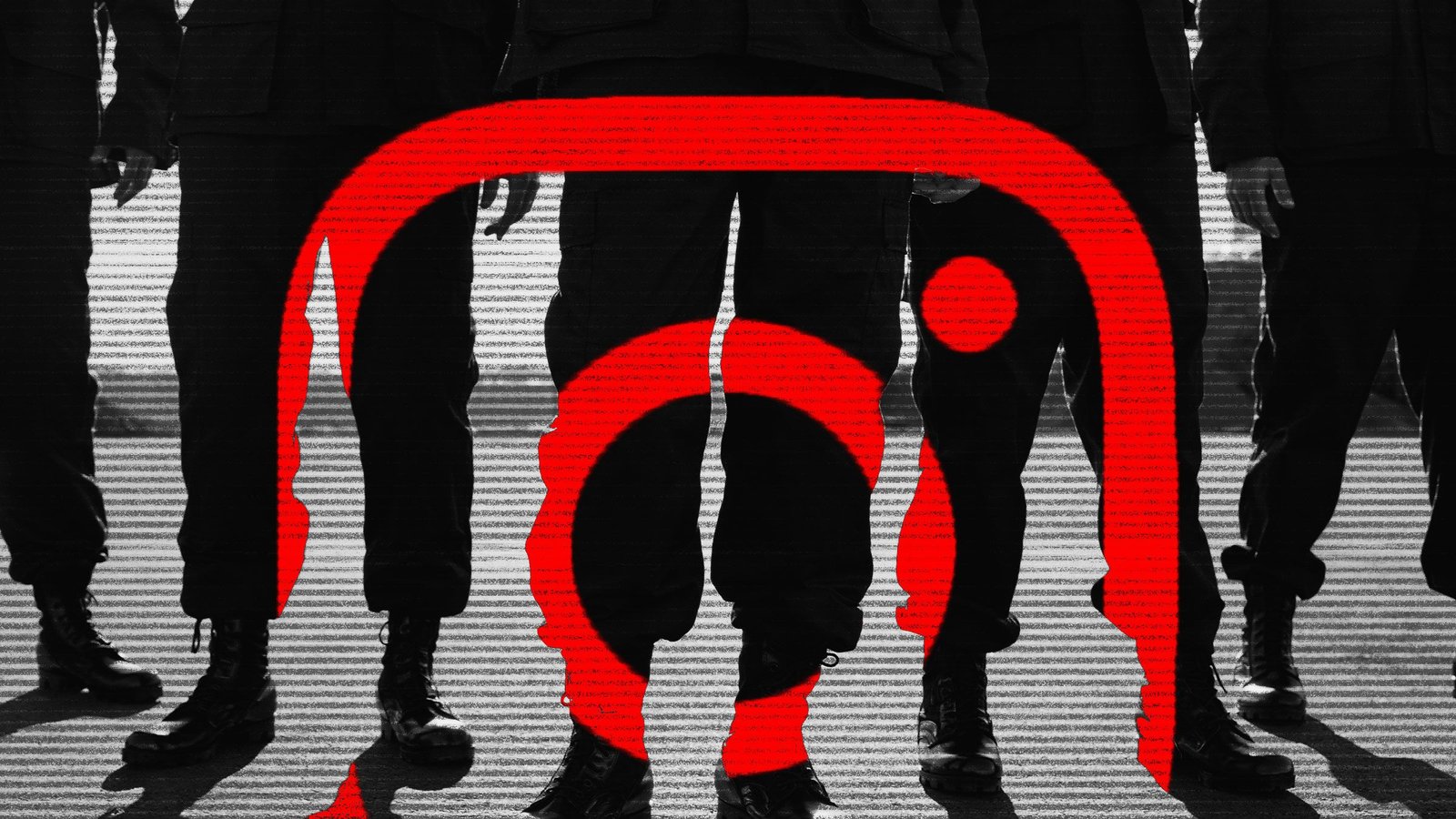
A new generation of Christian nationalist militias is weaponizing Instagram’s influencer culture to recruit young men, bypassing traditional extremist labels through “edgy” aesthetics and tactical lifestyle branding. By leveraging the platform’s visual-centric algorithms, these paramilitary groups have transitioned from clunky underground forums to slick, monetized accounts that blend religious fervor with high-end tactical gear.
The “Christ-Pilled” Aesthetic: From Memes to Militias
This emergent movement represents a departure from the aging, rudderless paramilitary structures that dominated the pre-January 6th era. These modern actors, often identifying as “tradcaths” (traditionalist Catholics) or “Christ-pilled” youth, utilize sophisticated propaganda that mirrors mainstream fitness and lifestyle influencers. Their content typically features armed men in balaclavas, often juxtaposed with biblical scripture. For instance, one prominent post displays a masked operative holding an assault rifle alongside a crucifix, captioned with Psalm 19:1: “The heavens declare the glory of God; the skies proclaim his handiwork.”
The Tech Transparency Project (TTP), a leading extremism watchdog, recently identified nearly 200 Instagram accounts linked to this militia ecosystem. Unlike the centralized organizations of the past, these groups operate as autonomous, hyper-local cells. They utilize hashtags like #modernminutemen and #northeastguerillas to build decentralized networks that are harder for platform moderators to dismantle.
Tactical Monetization: Apparel as a Recruitment Tool
To sustain their operations and evade financial deplatforming, many Christian nationalist groups have integrated e-commerce directly into their Instagram profiles. They operate through “lifestyle” brands that sell apparel, tactical patches, and even weapons training. One such brand, Kill Evil, has amassed nearly 30,000 followers by promoting what it calls the “Holy Warfare Collection.” Their mission statement explicitly targets “degeneracy” and calls for “resistance to the enemies of Christ.”
Militia members frequently tag these brands in training videos, creating a feedback loop that “brandifies” extremism. This strategy turns radical ideology into a marketable commodity. While a representative from Kill Evil disputed any paramilitary affiliation, stating they are simply a Jesus-following apparel company that values the Second Amendment, experts note that the imagery—featuring men in balaclavas with baseball bats labeled “apparel for the revolutionary”—aligns perfectly with militant aesthetics.
Meta’s Enforcement Gap and the Shift to “Guerrilla” Branding
Despite Meta’s “Dangerous Organizations and Individuals” policy, which bans non-state actors using weapons for unofficial military training, watchdogs argue the company remains reactive rather than proactive. While Meta has removed dozens of these groups, many continue to flourish by rebranding themselves as “guerrillas” instead of “militias.” This semantic shift implies a conflict against a perceived “oppressive” government rather than a civilian population, a key distinction in their recruitment rhetoric.
The movement also thrives within the “Guntuber” ecosystem. Figures like Lucas Botkin and his company, T-Rex Arms, sit at the intersection of high-intensity firearms training and Christian traditionalism. This Venn diagram of subcultures uses culture war grievances to normalize the idea of taking up arms to protect “Christian values.” As Jon Lewis, a research fellow at George Washington University, explains: “The guns help push the religion, and the religion helps push the guns.”
Preparing for the “End Times” and Political Accelerationism
The motivations of these “militant influencers” often lean toward accelerationism—the belief that modern society is in a state of terminal decay and that a violent collapse is both inevitable and desirable. Many accounts post ephemeral Instagram Stories featuring white nationalist content or anti-immigrant rhetoric, often framed as preparation for “the end times” or “Armageddon.”
While some researchers question the actual combat readiness of these online-focused cells, the shift toward hyper-local, decentralized organizing presents a new challenge for law enforcement. These groups no longer wait for a national leader; instead, they encourage followers to train independently or in small clusters. One account summarized the movement’s grim outlook with a simple warning: “If you don’t train, you’ll die. Make sure that YOU aren’t a liability.”