On April 23, Donald Trump leveraged his digital asset empire to offer exclusive access to wealthy investors, a move that experts warn transforms his “TRUMP” cryptocurrency from a speculative joke into a direct conduit for potential constitutional violations. By announcing a private dinner for high-volume coin holders, the Trump Organization triggered a market frenzy that added hundreds of millions of dollars to the former president’s paper net worth, while simultaneously blurring the lines between private profit and public office.
The Multi-Million Dollar Price Spike
The financial impact of the dinner invitation was instantaneous. Two subsidiaries of the Trump Organization currently control approximately 80 percent of the total TRUMP coin supply, placing the conglomerate in a position of absolute market dominance. Following the announcement, the asset’s value surged by nearly 60 percent. Beyond the appreciation of their holdings, these subsidiaries function as rent-seeking intermediaries, capturing significant profits from the massive spike in trading volume that followed the news.
The Evolution from Memecoin to Political Utility
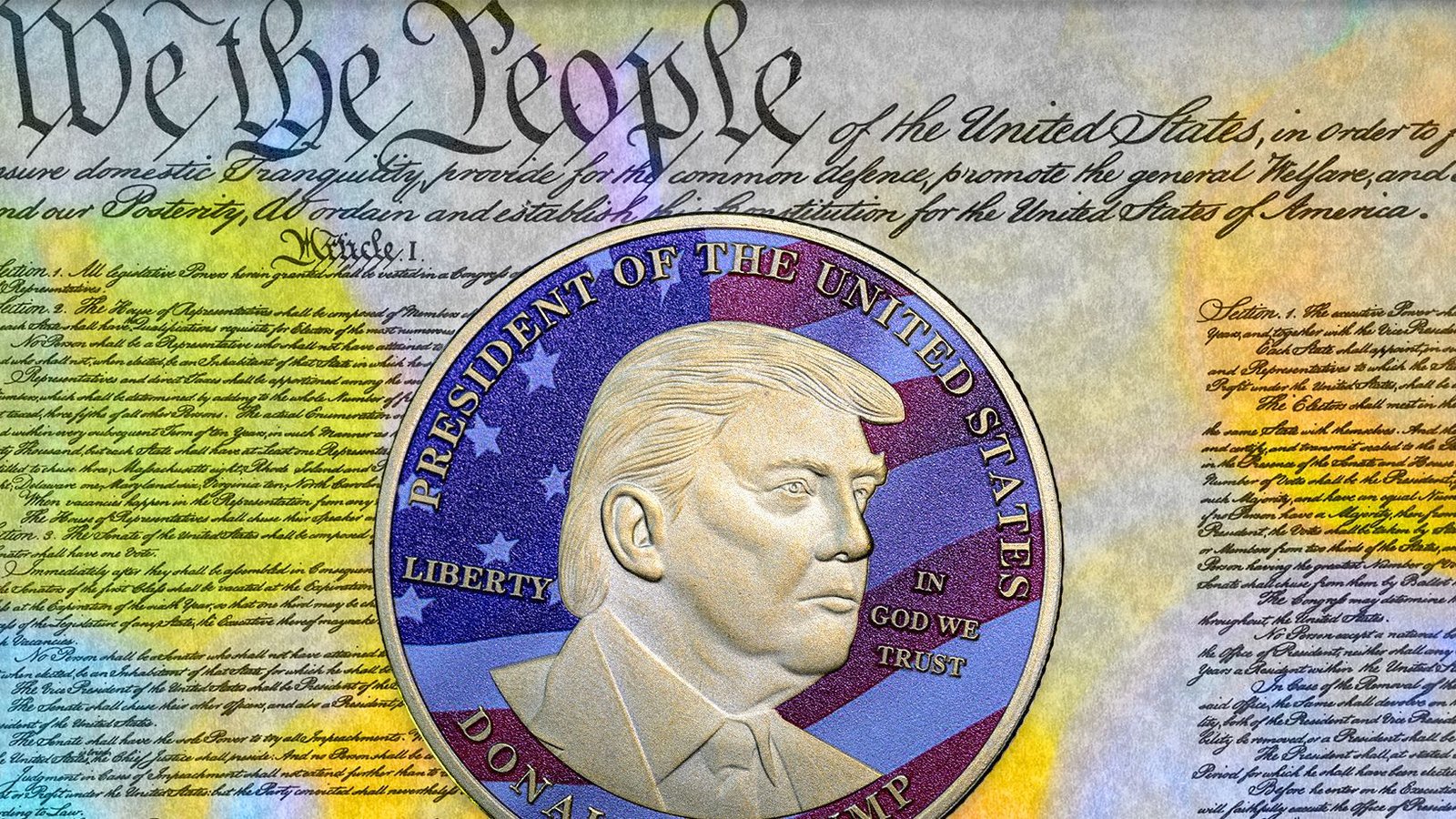
When Trump first introduced the coin on January 18, shortly before his inauguration, he marketed it as a “memecoin”—a volatile asset driven purely by social sentiment and speculation. However, the promise of a private dinner in exchange for significant investment fundamentally altered the asset’s nature. This maneuver effectively transitioned TRUMP into a “utility coin,” an asset class that provides holders with specific perks or real-world advantages.
Nathan van der Heyden, head of business development at the crypto firm Aragon, notes that this shift redefines the market’s valuation of the token. “The door to utility has been opened. The market will expect further utility to come from holding that coin,” van der Heyden explained. He emphasized that investors are no longer merely speculating on a brand; they are now pricing in the value of future access to Trump himself.
Navigating the SEC’s Regulatory Blind Spots
Despite the ethical outcry, Trump currently finds himself in a regulatory safe harbor regarding federal financial oversight. Under the Biden administration, the U.S. Securities and Exchange Commission (SEC) maintained that memecoins generally fall outside its jurisdiction. This stance mirrors the SEC’s conclusions during Trump’s first term regarding utility tokens.
Lisa Bragança, attorney and former SEC branch chief, confirms that as long as the Trump Organization avoids outright fraud or unfair trade practices, the SEC is unlikely to intervene. “Whether it’s a utility token or a memecoin, it’s not regulated by the SEC,” Bragança stated. This lack of oversight allows the campaign to operate with a level of financial flexibility that traditional political donations do not afford.
Constitutional Hazards: The Emoluments Clause
While the SEC may remain on the sidelines, legal scholars point to a much graver threat: the U.S. Constitution’s emoluments clauses. These provisions strictly prohibit the president from accepting gifts or financial gains from foreign or domestic state actors. The “utility” aspect of the coin creates a direct “quid pro quo” scenario where foreign entities could theoretically purchase political influence anonymously.
“If the government of Yemen buys up oodles of memecoins, we won’t know,” Bragança warned. “If it’s a utility coin and, say, a representative of Russia shows up for dinner with the president, we know it’s an emoluments issue.” Because the identities of TRUMP holders are currently masked by alphanumeric crypto wallet addresses, the administration faces growing pressure to disclose the attendee list for the upcoming dinner.
Impeachment Rhetoric and the Battle for Midterm Optics
The political backlash has already reached the halls of Congress. Democratic Senator Jon Ossoff recently characterized the situation as a breach of presidential conduct that surpasses historical benchmarks for impeachment. “He is granting audiences to people who buy the memecoin that directly enriches him,” Ossoff declared during an April 25 town hall, arguing that the conduct is indefensible.
However, the reality of a Republican-controlled House and Trump’s solidified grip on his party makes a successful impeachment unlikely. Jeff Hauser, executive director of the Revolving Door Project, suggests that while Trump has successfully navigated past emoluments lawsuits related to his hotel businesses, the “unseemliness” of the crypto dinner creates a new kind of political vulnerability.
With the midterm elections approaching and the Republican majority remaining slim, the optics of a “pay-to-play” presidency could shift public perception. Hauser concludes that while the dinner might not legally trap Trump today, it significantly increases the political stakes by painting a portrait of a leader who prioritizes personal enrichment over national interest.