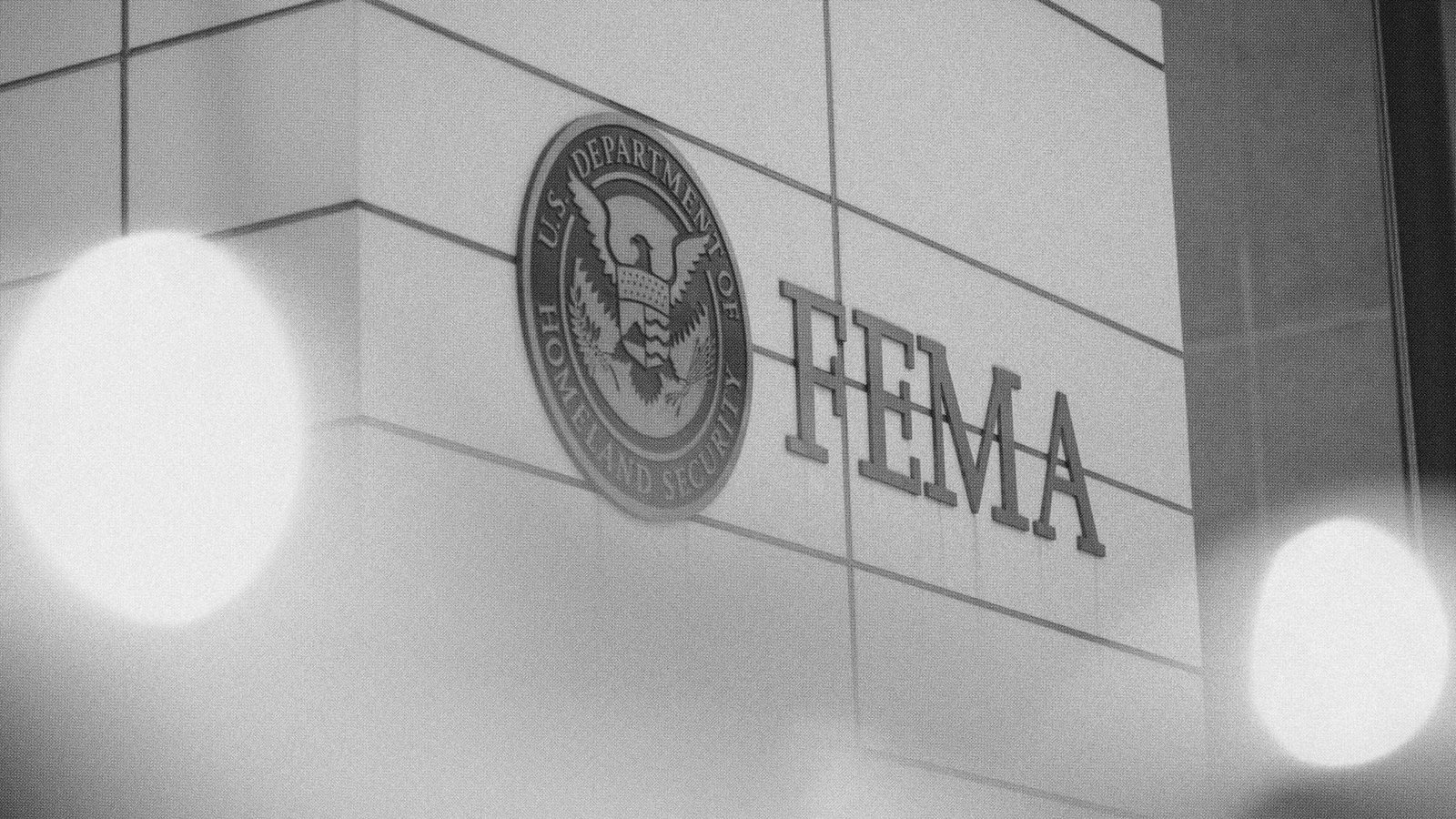
FEMA Acting Administrator David Richardson abruptly rescinded the agency’s 2022-2026 Strategic Plan on Wednesday, leaving the nation’s primary disaster response body without a formal guiding framework just weeks before the start of the Atlantic hurricane season. In a memo distributed to employees, Richardson stated that the existing roadmap contained objectives with “no connection” to the agency’s core mission, promising a replacement strategy for 2026-2030 by this summer.
A Sudden Departure from Long-Term Planning
The rescinded document, established in 2022 under former Administrator Deanne Criswell, served as the agency’s “guiding star,” outlining high-level priorities rather than specific tactical procedures. Its removal from the FEMA website was immediate; the page now returns an error message, and records indicate the link has been inactive since January 2025. This move has unsettled the workforce, as internal sources claim they cannot recall a time when a strategic plan was scrapped without a successor ready for implementation.
“We are huge planners,” one FEMA employee noted, emphasizing that strategic shifts have significant “downstream effects” on operations. The 2022-2026 plan specifically prioritized three pillars: instilling equity in emergency management, leading the nation in climate resilience, and maintaining a prepared workforce. While some staff viewed the document as largely symbolic, others expressed surprise that the administration waited this long to target a text so heavily focused on climate and social equity.
“Lean Force” vs. Operational Uncertainty
The administration defends the move as a necessary pivot toward efficiency. Geoff Harbaugh, FEMA’s Associate Administrator of External Affairs, characterized the agency’s previous iteration as “bloated, DC-centric dead weight.” According to Harbaugh, under the leadership of Secretary Kristi Noem and Acting Administrator Richardson, the agency is transitioning into a “lean, deployable disaster force” that empowers state-level actors.
Harbaugh dismissed internal concerns regarding morale and planning as “petty drama” from an internal class resistant to accountability. He asserted that the agency remains “fully activated” for the upcoming hurricane season despite the lack of a formal strategic document.
Shifting the Burden to States and Tribes
Critics within the agency worry that the vacuum left by the rescinded plan signals a broader retreat from federal responsibility. This aligns with President Donald Trump’s recent assertions that “a good state government” is more vital than FEMA. Internal critics argue that without a federal roadmap, state and tribal governments may be forced to assume complex operations they are not equipped to handle.
This policy shift follows other recent maneuvers to scale back FEMA’s footprint, including:
- The cancellation of a $3.6 billion program designed to fund community resilience against future disasters.
- The termination of door-to-door canvassing, a long-standing practice for reaching disaster survivors.
- A general de-emphasis on climate change mitigation strategies.
Leadership Vacuum and Internal Friction
The restructuring occurs under the tenure of David Richardson, a former Marine and DHS official with no prior experience in emergency management. Richardson assumed the role following the firing of Cameron Hamilton, who was ousted after testifying in favor of preserving the agency’s current structure. Within the halls of FEMA, some employees have reportedly dubbed Richardson “Voldemort,” reflecting the tension between the new leadership and the career staff.
During recent all-staff town halls, Richardson emphasized a strict adherence to the law and “President Trump’s intent,” warning that straying from the core mission can lead to “tragic” outcomes. He cited his military experience, noting that he has seen colleagues “damaged emotionally” by engaging in tasks outside their primary combat mission. Richardson has pledged to unveil a new strategic outline by May 30, though the agency remains in a state of transition as the first storms of the season form.