Violent threats and targeted harassment against U.S. federal judges reached unprecedented levels in March 2025, fueled by high-profile political rhetoric across both mainstream and fringe digital platforms. Data compiled by the Global Project Against Hate and Extremism (GPAHE) reveals a systemic escalation in hostile discourse, with some platforms seeing a quadruple-digit percentage increase in posts calling for the execution, impeachment, or imprisonment of judicial officers following rulings that challenged political agendas.
Data Reveals Explosive Growth in Digital Hostility
The surge in vitriol is no longer confined to the dark corners of the internet. Researchers found that TikTok, a platform with a massive global user base, saw threatening posts regarding U.S. judges jump from just 35 instances in May 2024 to 223 in March 2025—a 537 percent increase. Other platforms experienced even more drastic shifts. Gab, a social network favored by far-right groups, recorded a staggering 1,076 percent increase, with posts rising from 273 to over 3,200 in the same period. Truth Social, owned by Donald Trump, saw a 324 percent spike, reaching nearly 9,500 threatening posts in a single month.
Influential Figures Catalyze Judicial Backlash
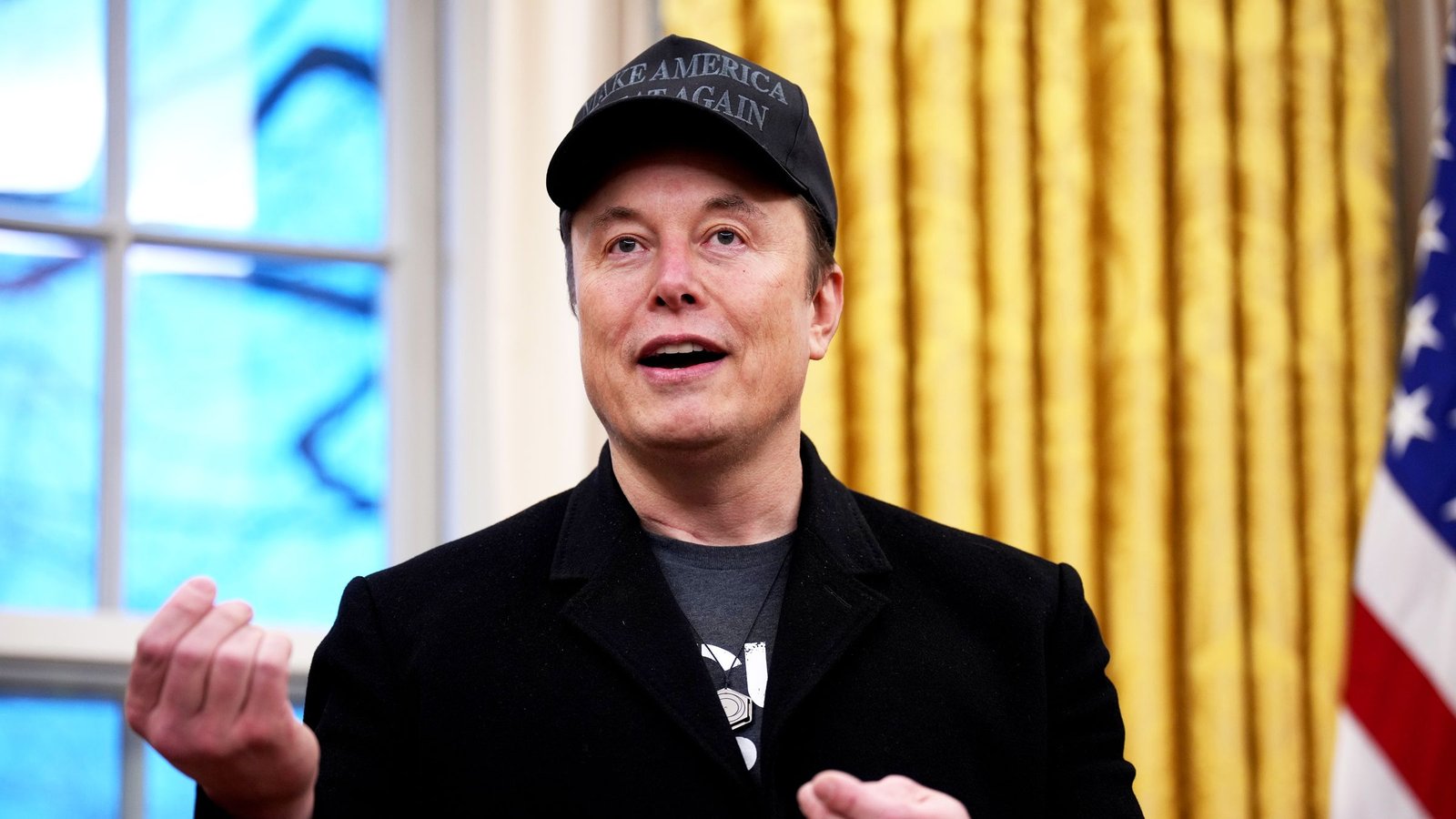
This upward trajectory correlates directly with inflammatory statements from prominent figures. Donald Trump utilized Truth Social to label Judge James Boasberg a “radical left lunatic” who “should be IMPEACHED!!!” after the judge found probable cause for contempt against the administration. Similarly, Elon Musk characterized court decisions obstructing his “Department of Government Efficiency” as a “judicial coup,” explicitly calling for the impeachment of the presiding judges on X (formerly Twitter).
The rhetoric extends to the highest levels of the executive and legislative branches. White House Chief of Staff Stephen Miller and Attorney General Pam Bondi have echoed these sentiments. Representative Andy Ogles (R-TN) went as far as introducing articles of impeachment against Judge John Bates, baselessly labeling the jurist a “predator” and a “RADICAL LGBTQ activist” following a ruling against the removal of government public health websites.
From Online Vitriol to Real-World Violence
The transition from digital threats to physical danger has already materialized. Judge John Coughenour fell victim to a bomb threat and a “swatting” attack in January after a ruling that disadvantaged the Trump administration. In another instance, the brother of Judge Boasberg required a security detail after activist Laura Loomer published unsubstantiated allegations against him.
“There’s no question that we’re seeing a normalization of bigoted, violent, and other harmful speech on mainstream platforms,” stated Wendy Via, CEO and president of GPAHE. Via emphasized that the demonization of the judiciary by extreme influencers has moved the “once unthinkable to commonplace,” creating tangible risks for those within the legal system.
Platform Accountability and Defiance
The response from tech companies remains fragmented. TikTok spokesperson Ben Rathe dismissed the GPAHE report, claiming it “relies on anecdotal observations and exaggerated data,” while maintaining that the platform strictly prohibits violent threats. Conversely, Gab CEO Andrew Torba adopted a defiant stance, questioning the sudden opposition to calling for the impeachment or trial of government officials for treason, though he declined to address specific instances of violent threats on his site.
Luke Baumgartner, a research fellow at George Washington University’s Program on Extremism, suggests the trend reflects a top-down cultural shift. “I think it’s broadly a reflection of how some of those that occupy the highest political positions in the country are comfortable with openly threatening judges, giving ordinary social media users a chance to pass on the message,” Baumgartner noted.
White House spokesperson Harrison Fields defended the administration’s stance, telling WIRED that critics were “conveniently silent” during previous administrations and asserting that “President Trump will always stand for law and order and the US Constitution.” Despite these assertions, the data indicates a judiciary increasingly under siege by a digital landscape where the line between political dissent and violent incitement continues to blur.