In September 2025, a decentralized movement of Gen Z activists in Nepal leveraged Discord and encrypted messaging to topple Prime Minister K. P. Sharma Oli’s government after a violent state crackdown on youth-led anti-corruption protests. The transition reached a historic milestone as Rakshya Bam and nine other young organizers met with Army General Ashok Raj Sigdel at military headquarters to negotiate the nation’s political future, marking the first time a South Asian government’s collapse was directly managed via gaming communication platforms.
From TikTok Trends to a National Uprising
The unrest ignited from a viral social media phenomenon known as the “Nepo Kid” trend. Originating in Southeast Asia, the trend hit Nepal with explosive force, featuring high-definition reels of government ministers’ children flaunting luxury vehicles and designer fashion against the backdrop of systemic national poverty. These images transformed abstract frustrations over corruption into a tangible, shareable rage. When the Ministry of Communications attempted to stifle the dissent on September 4 by blocking 26 social media platforms—including Facebook and X—the move backfired. Instead of silencing the youth, the ban drove millions of users toward VPNs and Discord servers, radicalizing a generation that felt the state was more interested in censorship than transparency.
The Spark: A Tragic Catalyst in Kathmandu
On September 6, the digital fury turned into physical mobilization following the death of 11-year-old Usha Magar Sunuwar. A CCTV clip showing a provincial minister’s SUV striking the girl and fleeing the scene bypassed government firewalls, racking up millions of views. By that evening, the Discord server “Youths Against Corruption,” managed by the nonprofit Hami Nepal, became the strategic heart of the resistance. With over 150,000 members, the server functioned as a shadow government, coordinating flash protests, sharing tear-gas safety protocols, and tracking police movements in real-time.
Digital Logistics: How Discord Replaced Parliament
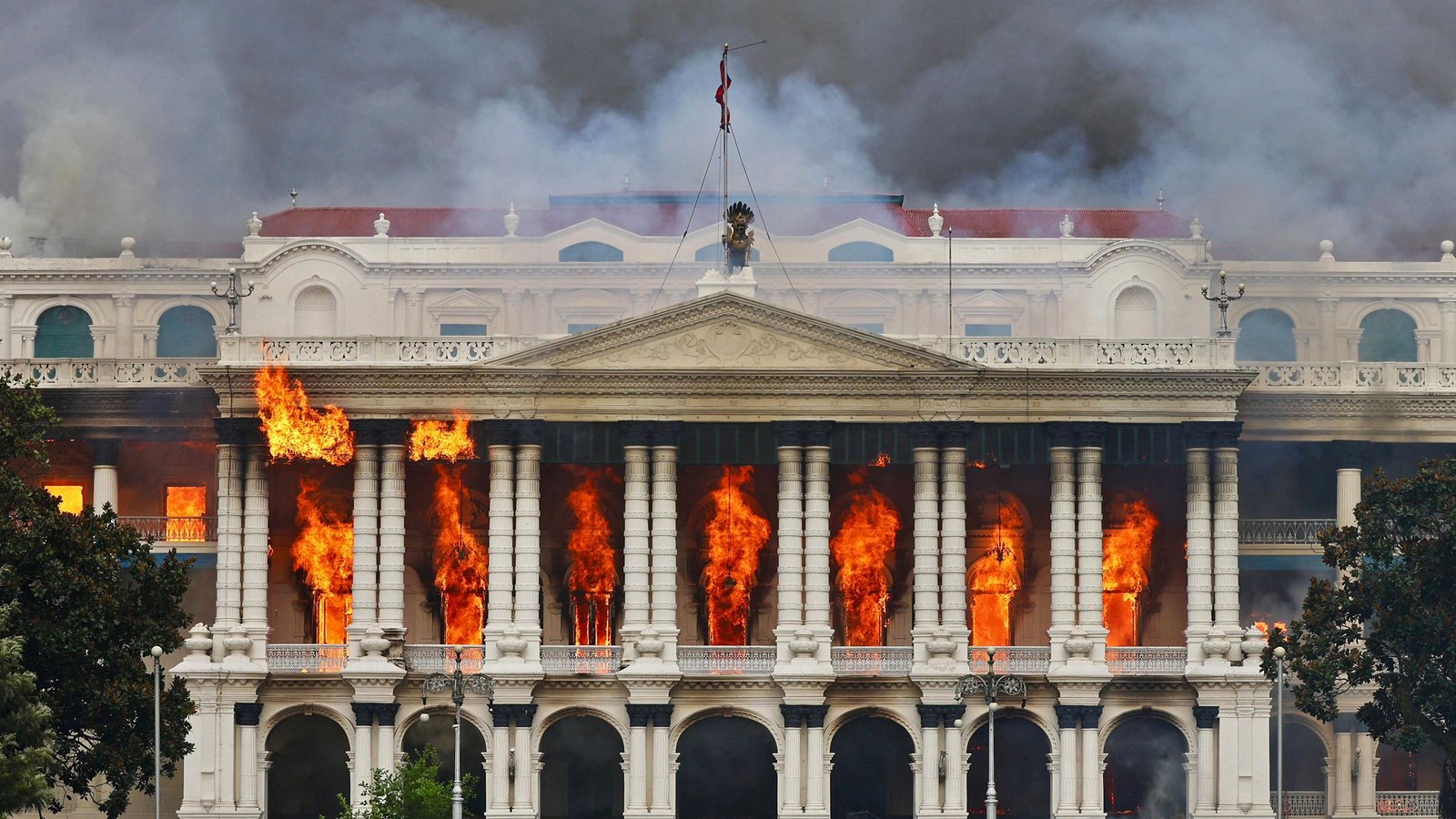
As the streets of Kathmandu descended into “organized chaos,” the Discord infrastructure evolved from a protest tool into a humanitarian lifeline. While police fire killed 72 people and injured over 1,000 nationwide, moderators like the pseudonymous “Jalebi” transformed the server into an emergency dispatch center. Volunteer teams used the platform to verify rescue requests, coordinate blood donations, and evacuate families from buildings set ablaze during the riots. This digital ecosystem allowed the movement to remain operational even as Prime Minister Oli resigned and the army imposed a strict 6 p.m. curfew.
The First “Poll-Driven” Interim Government
In the power vacuum following Oli’s resignation, the activists faced an unprecedented challenge: selecting a leader who could satisfy both the military and the mob. Inside the “Youths Against Corruption” server, a form of direct digital democracy took shape. Using Discord polls, members deliberated over public figures, eventually coalescing around Sushila Karki, the former Chief Justice known for her anti-corruption stance. This consensus, backed by digital data and viral footage of Karki joining the protesters, provided the activists with the leverage needed to present a single name to the military establishment.
A Fragile Victory in a Divided Landscape
Three days after the peak of the violence, Sushila Karki took the oath as Nepal’s first female Prime Minister, heading a transitional government tasked with preparing for the March 2026 elections. However, the movement’s reliance on digital platforms reveals significant vulnerabilities. Analysts point out that less than half of Nepal’s population has consistent internet access, with rural participation remaining marginal. Furthermore, the anonymity of Discord has invited paranoia; organizers now face the threat of state infiltration and the “rebranding” of old political factions disguised as grassroots Gen Z movements.
Rakshya Bam, now the coordinator of the Nepal Gen-Z Front, acknowledges that the revolution is far from over. While the digital tools allowed a generation to “crack history open,” the challenge remains to convert online momentum into sustainable governance. As the interim cabinet begins its work, the world is watching to see if Nepal’s Discord-born democracy can survive the transition from the server to the statehouse.