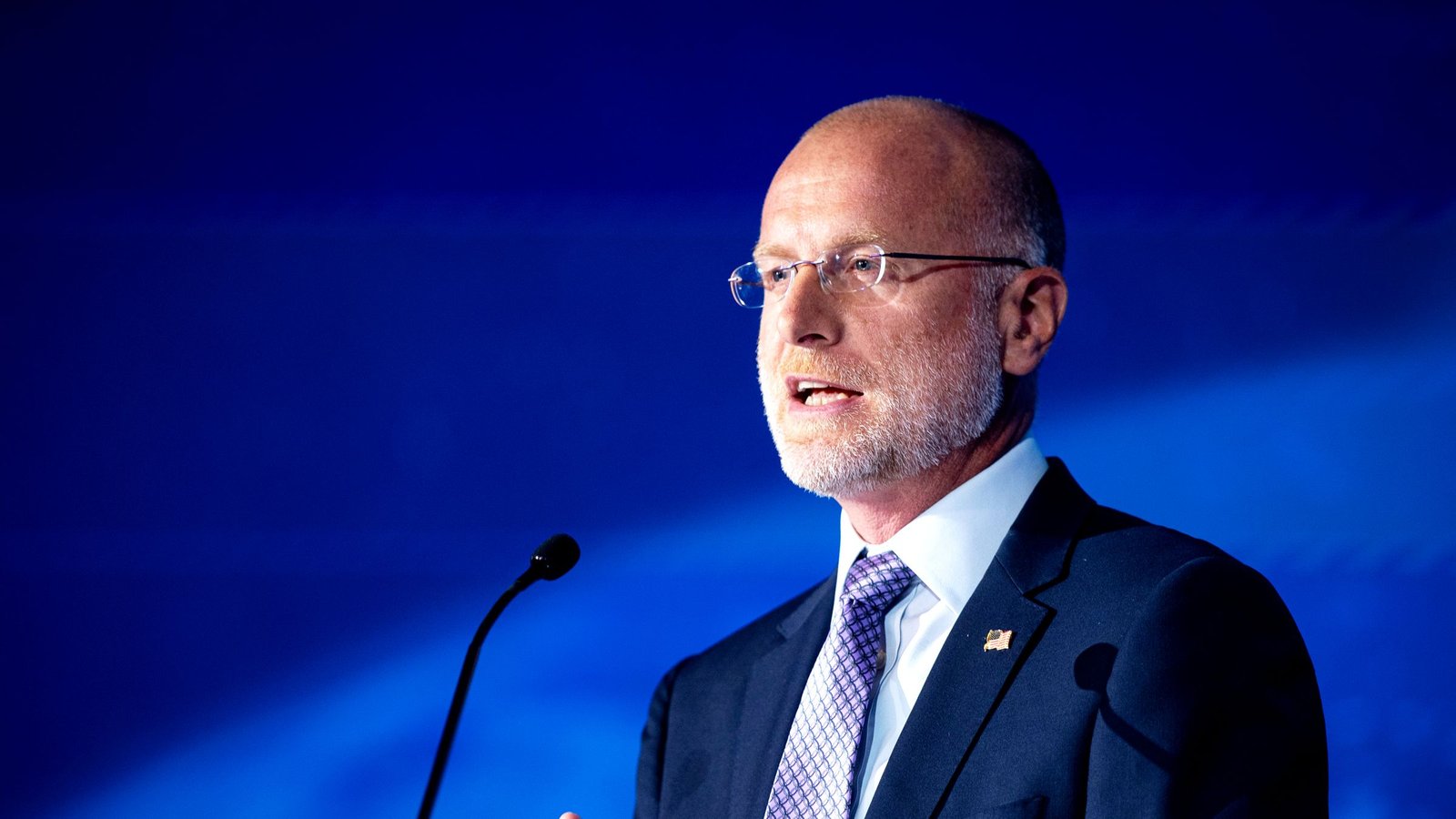
FCC Chairman Brendan Carr is aggressively leveraging regulatory pressure and informal threats to reshape American media, most recently forcing ABC affiliates to pull Jimmy Kimmel Live! following a public ultimatum. By utilizing a tactic known as “jawboning,” Carr circumvents formal legal channels to extract editorial concessions from massive media conglomerates, leaving broadcasters caught between constitutional rights and multi-billion dollar business interests.
The Kimmel Ultimatum: A New Era of Regulatory Coercion
“We can do this the easy way or the hard way,” Carr declared during a recent appearance on Benny Johnson’s podcast. The threat specifically targeted ABC’s Jimmy Kimmel, suggesting that the network must change its conduct or face “additional work” from the FCC. The impact was instantaneous. Within hours, Nexstar—which owns dozens of ABC affiliates—pulled the late-night show from its schedule.
Nexstar’s compliance highlights the high stakes of opposing the FCC. The company currently awaits FCC approval for a $6.2 billion acquisition of Tegna. Experts argue that Carr uses these pending business deals as leverage. Genevieve Lakier, a law professor at the University of Chicago, identifies this as a “clear-cut case of jawboning”—a form of informal coercion where government officials pressure private entities to suppress speech without issuing appealable legal orders.
Leveraging Mergers to Extract Editorial Concessions
Carr’s strategy extends far beyond late-night comedy. Over the past eight months, he has transformed the FCC from a light-touch telecom regulator into a proactive enforcer of the Trump administration’s political agenda. During the merger between Paramount and Skydance, Carr successfully pressured the companies to abandon Diversity, Equity, and Inclusion (DEI) policies and commit to “viewpoint diversity” in their news coverage.
The financial consequences of resisting Carr are steep. Following a $16 million settlement over a 60 Minutes interview with Kamala Harris, CBS announced it would end Stephen Colbert’s show next spring. Seth Stern, director of advocacy at the Freedom of the Press Foundation, describes this pattern as a system where the FCC uses business interests to “extract concessions, extract bribes, and extract censorship.”
The Weaponization of Broadcast Licenses
The FCC holds significant power over broadcasters because it controls the limited public spectrum they require to operate. Carr has repeatedly threatened to revoke licenses for outlets that the administration deems to be “distorting” news content. This includes targeting Comcast-owned outlets for their coverage of deportation cases and opening investigations into NPR and PBS underwriting announcements, alleging they function as illegal commercial advertising.
The Art of “Jawboning”: Why the Courts Are Paralyzed
Former FCC Chair Tom Wheeler notes that Carr is “very artful” in avoiding formal decisions. By keeping his activities informal and coercive, Carr ensures there is no paper trail for the courts to review. “Until Congress or the courts say he can’t, he’ll keep pushing,” Wheeler warns. While the Supreme Court has ruled that government coercion of private speech is unconstitutional, the difficulty lies in proving that coercion occurred in a court of law.
For a network like ABC to sue, it would have to prove that Carr’s podcast comments constituted illegal pressure. However, filing such a suit risks further regulatory retaliation against future mergers or license renewals. This “regulatory chill” ensures that most media companies choose quiet compliance over public legal battles.
A Broken System: Media Consolidation and the Future of News
The current media landscape, defined by massive consolidation, has made Carr’s tactics more effective. With fewer companies controlling the vast majority of broadcast, cable, and streaming networks, the FCC has fewer targets to pressure to achieve widespread results. Organizations like the Freedom of the Press Foundation have attempted to limit Carr’s power through a formal disciplinary complaint to the DC Bar, arguing he misrepresents the law regarding the FCC’s authority over editorial content.
While House Democratic leadership has called for Carr’s resignation, citing his “bullying” of ABC, they have yet to outline a tangible mechanism to rein in his authority. As the FCC moves away from its traditional role as a neutral referee, analysts worry that the precedent Carr is setting will lead to a future where broadcast news content shifts drastically every election cycle, depending entirely on which political party controls the commission.