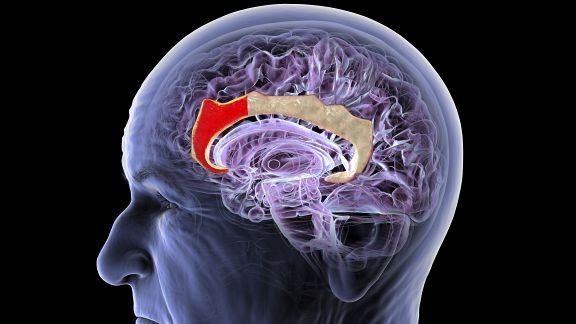

Kyoto University neuroscientists recently discovered a specific neural pathway between the ventral striatum and ventral pallidum that suppresses motivation when tasks involve stress or discomfort. Lead researcher Ken-ichi Amemori and his team identified this “motivation brake” through primate studies, revealing how the brain prioritizes avoiding unpleasantness over seeking rewards.
The Primate Experiment: Reward vs. Discomfort
To analyze decision-making processes, researchers observed macaques performing tasks with varying consequences. Initially, the animals chose between different water reward volumes. The complexity increased when a larger reward required enduring an aversive stimulus: a direct air blast to the face. While the reward was objectively higher, the monkeys’ drive to complete the task plummeted once they anticipated the physical discomfort.
Mapping the Neural Circuit of Avoidance
The study, published in Current Biology, pinpointed a communication bridge in the basal ganglia. When the brain predicts a negative experience, the ventral striatum—a region linked to reward processing—sends inhibitory signals to the ventral pallidum. Because the ventral pallidum normally drives the impulse to act, this neural interference effectively halts the intention to proceed, explaining the biological root of task avoidance.
Disrupting the Procrastination Loop
Using advanced chemogenetic techniques, the team temporarily deactivated this specific connection using a specialized drug. The results were immediate: the macaques regained their motivation to complete tasks involving the air blast. Crucially, this intervention had no effect on neutral tasks where rewards were not tied to punishment. This confirms that the circuit specifically regulates aversion-based apathy rather than general motivation.
Clinical Implications and the Burnout Shield
Beyond explaining daily procrastination, these findings offer critical insights into psychiatric conditions like depression and schizophrenia, where patients suffer from severe motivational deficits. However, Amemori warns against viewing this circuit as a flaw. In comments reported by Nature, he emphasized that this mechanism serves as a vital biological safeguard against overworking and burnout, protecting the brain from excessive exhaustion.