
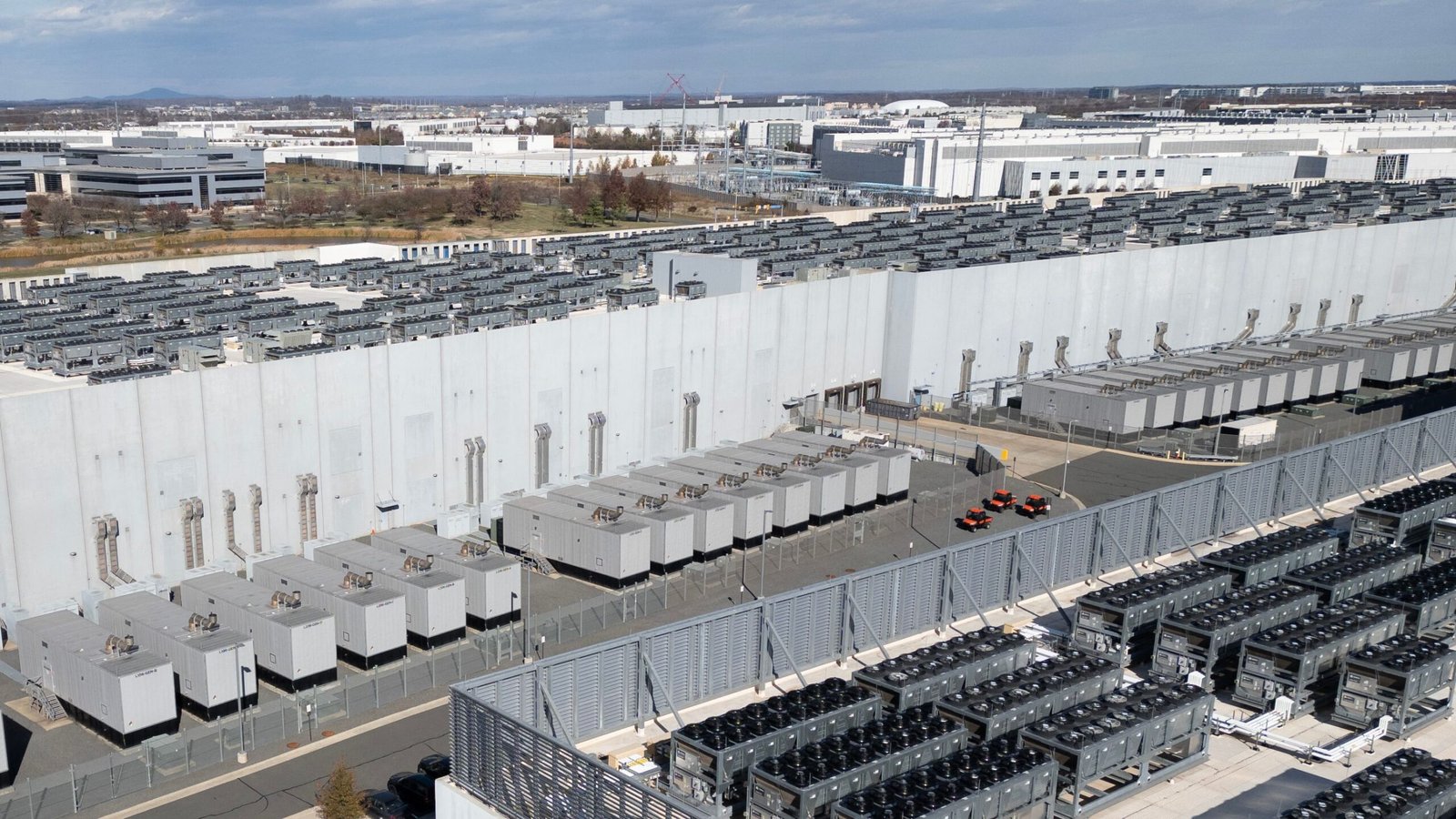
The Working Families Party (WFP) has initiated a nationwide recruitment campaign to empower local organizers to run for office against the proliferation of data centers, responding to a surge in community opposition over rising energy costs and environmental impacts. This strategic move aligns with a broader political shift as high-profile federal lawmakers begin to scrutinize the infrastructure demands of the artificial intelligence boom.
Progressive Strategy Targets Data Center Expansion
The WFP, a progressive third party with significant organizing influence in states like New York and Virginia, aims to transform local frustration into electoral action. Ravi Mangla, the party’s national press secretary, emphasizes that the initiative responds directly to the concerns of working-class residents who feel marginalized by the rapid buildout of tech infrastructure.
“We would be ignoring the needs of our constituents if we were not responding to the issue of data centers and their impacts on communities,” Mangla stated. The party is actively seeking candidates who have already begun organizing their neighbors to challenge these projects, offering them resources and a platform to mount viable bids for local office.
Rising Utility Costs Fuel Community Backlash
Public sentiment regarding data centers has soured over the past year. Recent polling from Heatmap indicates that less than half of Americans support the construction of these facilities in their immediate vicinity. This resistance is driven largely by “pocketbook issues,” as residents connect massive energy demands from data centers to their own skyrocketing electricity bills.
In Virginia, the global epicenter of data center density, the political ramifications are already visible. The League of Conservation Voters (LCV) reported that data center expansion became a pivotal issue in the 2025 midterms. Lee Francis, the LCV’s Virginia communications officer, noted that public outrage is at an all-time high. In Virginia’s 30th district—a region including Loudoun County—voters recently flipped a seat after a campaign that attacked the incumbent’s record of welcoming tech facilities.
Bipartisan Scrutiny and Federal Intervention
The pushback is not limited to local activists; it has reached the highest levels of the U.S. Senate. Senators Elizabeth Warren, Chris Van Hollen, and Richard Blumenthal recently dispatched letters to Big Tech giants, including Google, Microsoft, Amazon, and Meta. The lawmakers are demanding transparency regarding “alarming reports” that tech companies are shifting the financial burden of building AI-ready infrastructure onto ordinary ratepayers.
Simultaneously, Senator Bernie Sanders became the first national political figure to call for a moratorium on data center construction. Sanders argues that a pause is necessary to allow democratic processes to catch up with technological advancement, ensuring that the benefits of AI do not exclusively serve the “1 percent” while depleting community water and energy resources.
A Shifting Landscape from Arizona to Georgia
The resistance is manifesting in concrete legislative and municipal victories:
- Arizona: Officials in Chandler recently voted 7-0 to reject a proposed data center, despite intensive lobbying efforts from former senator Kyrsten Sinema.
- Georgia: Voters elected a newcomer to the state legislature who campaigned on a platform of making data center operators “pay their fair share” of infrastructure costs.
- Florida: Governor Ron DeSantis has signaled support for limits on data centers as part of upcoming AI regulation.
While the Biden-Harris and incoming Trump administrations have largely supported the AI industry as a matter of national competitiveness, local opposition often transcends traditional party lines. Rural residents, often in “red” districts, are leading the charge against projects that threaten their quietude and resource stability. Mangla notes that the WFP’s recruitment call is open to candidates of all political persuasions, provided they are committed to challenging the unregulated expansion of Big Tech into residential communities.
Geographic Focus for Recruitment
The WFP plans to concentrate its initial efforts in regions where data center development and party support overlap. This includes Northern Virginia, the Upper Midwest, and the Southwest. As the “AI race” accelerates, the party intends to expand its vetting process to other hotspots like Georgia, positioning the data center debate as a central pillar of local governance in the coming election cycles.