From the cornfields of Iowa to the legislative halls of Texas and the digital landscapes of Europe, a new vanguard of hyper-connected political upstarts is currently dismantling traditional campaign playbooks by weaponizing viral authenticity and podcast-driven outreach to capture a disillusioned global electorate. These individuals, ranging from grassroots activists to high-stakes media strategists, are bypassing legacy media gatekeepers to build direct, unmediated power bases that threaten the established political order.
Zach Wahls: Translating Viral Advocacy into Senate Ambitions
Zach Wahls first captured the national spotlight in 2011 as a 19-year-old student defending his family structure before the Iowa House of Representatives. Growing up in a household led by two mothers, Wahls delivered a “stand-and-deliver” testimony that resonated across the internet, eventually propelling him to a seat in the Iowa State Senate in 2019. Now 34, Wahls is leveraging that foundational authenticity to challenge Joni Ernst for a seat in the US Senate.
Wahls anchors his platform in economic populism, targeting the systemic barriers preventing younger generations from achieving traditional milestones. “It feels like the ladder is being pulled up,” Wahls observed, noting that the inability to secure housing or start families affects the most intimate aspects of American life. By advocating for the dissolution of monopolies and a substantial increase in the minimum wage, he provides a blueprint for Democratic viability in traditionally red states.
Texas Resistance: The Combat Tactics of Martin and Talarico
In Texas, the political frontline is being redefined by figures like 27-year-old Isaiah Martin and 36-year-old James Talarico. Martin, a former voting-rights activist at the University of Houston, gained notoriety this year after his arrest during a protest against Republican gerrymandering. Though authorities later dropped the charges, the viral footage of his civil disobedience solidified his reputation as a fighter. Running in a special election for the 18th District, Martin argues that Democrats must “fight fire with fire,” embracing aggressive tactics such as breaking legislative quorum to counter Republican maneuvers.
Meanwhile, James Talarico, a former educator, transitioned from local notoriety to national recognition after a viral speech opposing the mandatory display of the Ten Commandments in public schools. This momentum led to an appearance on Joe Rogan’s podcast, garnering nearly a million views and establishing him as a premier progressive voice. Talarico views the Lone Star State as a high-stakes microcosm of the nation, famously describing Texas as “America on steroids.”
The Architects of the New MAGA Media Machine
The Republican digital strategy has been equally transformed by young operatives like Alex Bruesewitz and CJ Pearson. At 28, Bruesewitz served as a senior media adviser to Donald Trump, orchestrating a podcast-centric strategy that placed the former president on platforms like This Past Weekend with Theo Von. By prioritizing “authenticity” over polished press releases, Bruesewitz successfully engaged young male audiences. He now spearheads digital messaging for the Never Surrender PAC.
Complementing this effort is 23-year-old CJ Pearson, who evolved from a teenage social media influencer into a central figure in the digital MAGA ecosystem. After organizing high-profile events during inauguration festivities, Pearson is now launching a political-influencer marketing firm designed to bridge the gap between online creators and Republican candidates.
Podcasting as the New Political Battleground
The influence of non-traditional media is perhaps best exemplified by Andrew Schulz and his podcast, Flagrant. Although Schulz maintains a non-partisan stance, his platform has become an essential stop for political figures. His interview with Trump, which touched on universal insurance for IVF, showcased the power of long-form, unfiltered dialogue. Schulz has not shied away from criticizing Trump on issues like the Jeffrey Epstein files, positioning his show as a critical “swing state” in the modern media landscape.
The Rise of European Digital Populism
The trend extends beyond US borders. In France, 30-year-old Jordan Bardella has utilized his “beau gosse” (good-looking man) persona to modernize the National Rally (RN). With over 1 million Instagram followers, Bardella cultivates parasocial relationships that have helped move the RN from the fringes to become France’s most popular party. While he mirrors the GOP’s stance on immigration and skepticism toward Ukraine, Bardella has notably distanced himself from certain American far-right elements, such as canceling a CPAC appearance following controversial gestures from other attendees.
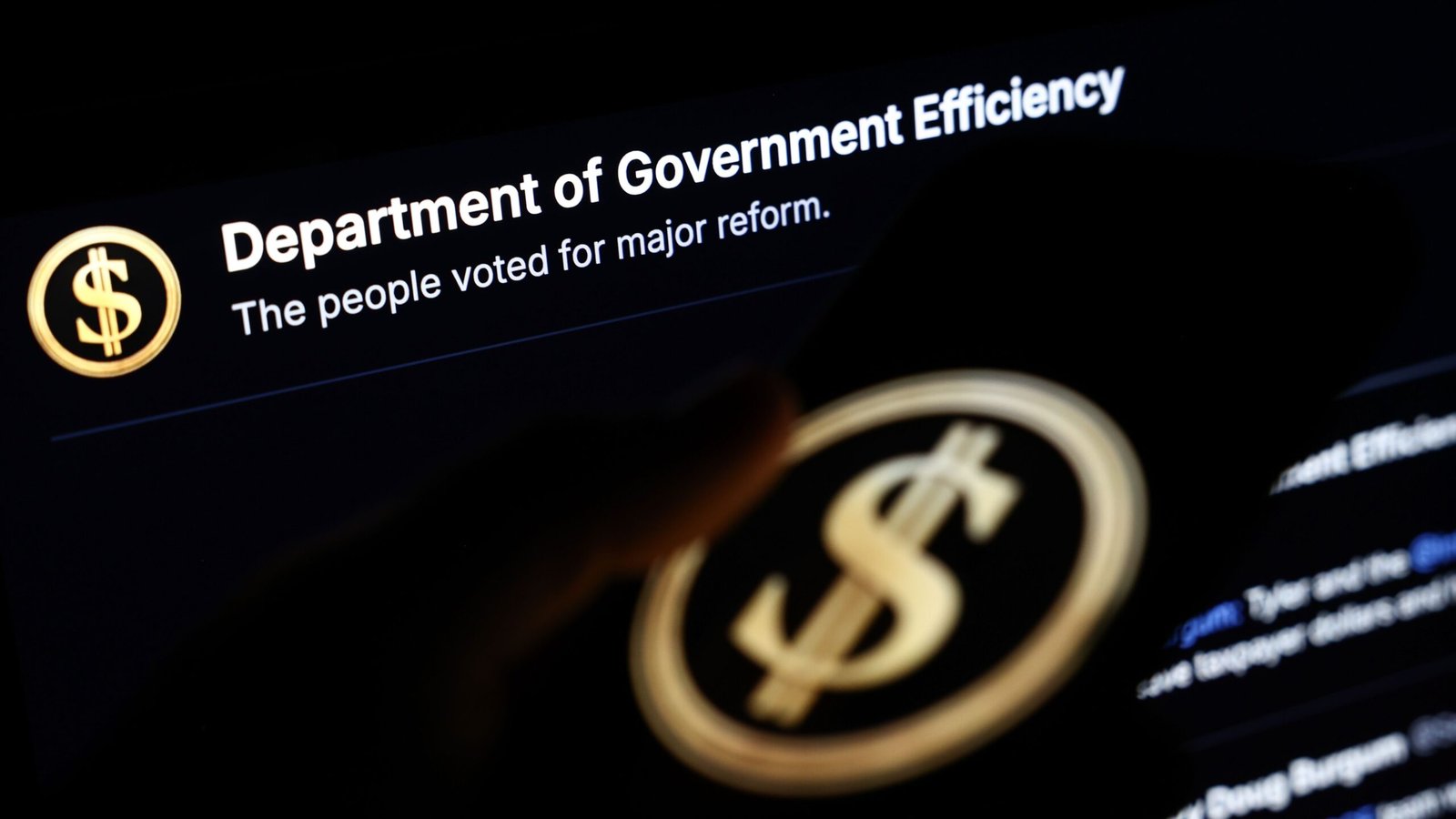
In Italy, computer scientist Andrea Stroppa acts as a digital proxy for Elon Musk’s ideologies. Using X (formerly Twitter) to bypass official channels, Stroppa frequently challenges government bureaucracy and calls for fiscal austerity, effectively attempting to export the “DOGE” (Department of Government Efficiency) philosophy to the Italian political sphere.