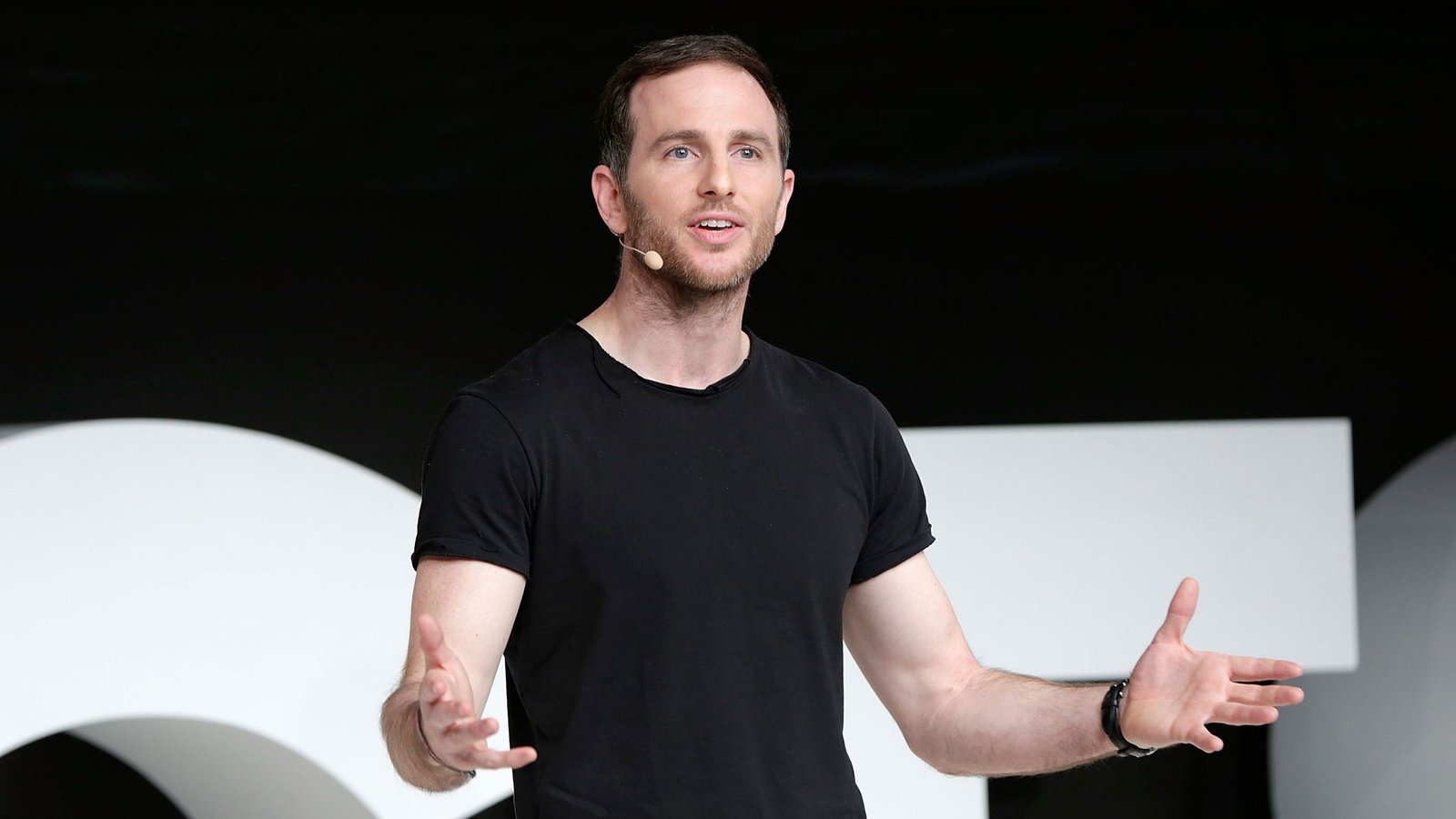
President Donald Trump has officially established the National Design Studio (NDS), a high-stakes executive initiative led by Airbnb co-founder Joe Gebbia and staffed by high-profile DOGE operatives, to overhaul the aesthetic and functional architecture of the federal government’s digital presence. This new office, situated within the Executive Office of the President, aims to modernize antiquated state systems through the “America by Design” national initiative, prioritizing user experience and modern software integration.
A Silicon Valley Vision for Federal Digital Infrastructure
Joe Gebbia, newly appointed as the Chief Design Officer (CDO) of the NDS, envisions a radical transformation of how citizens interact with the state. “My directive is to update today’s government services to be as satisfying to use as the Apple Store: beautifully designed, great user experience, run on modern software,” Gebbia declared in a recent statement. His objective is to position the United States as the global leader in digital usability and aesthetic excellence.
While Gebbia was initially expected to join the U.S. Digital Service (USDS), internal sources indicate he chose to spearhead this independent office to maintain a dedicated focus on design. Reporting directly to White House Chief of Staff Susie Wiles, the NDS will function as a “sister organization” to the USDS. Although the two entities may collaborate on specific projects, they will maintain strictly separate operational structures.
Strategic Integration of DOGE Personnel and Tech Operatives
The NDS is rapidly becoming a landing spot for key figures from the Department of Government Efficiency (DOGE). The studio will be partially staffed by DOGE operatives previously affiliated with the General Services Administration (GSA). Among the notable figures linked to the project is Edward “Big Balls” Coristine, a 19-year-old technologist recognized for his role in DOGE’s efforts to streamline federal operations. Additionally, Zachary Terrell—known for his recent work in reducing National Science Foundation grants—is also associated with the studio’s digital ecosystem.
Kaitlyn Koller, a former Senate Foreign Relations Committee aide, has also transitioned to the NDS from her previous role alongside USDS leadership. This move has reportedly triggered internal protocols at the USDS; acting administrator Amy Gleason has instructed staff to report any future communications with Koller directly to her, signaling a complex transition period between the legacy digital teams and the new studio.
Friction with Legacy Agencies and the End of 18F
The emergence of the NDS follows a period of significant upheaval within the government’s digital consulting sectors. Prior to the studio’s launch, the Trump administration shuttered 18F—the GSA’s original digital service group—in March. This move, combined with the firing or resignation of numerous staffers from the USDS, has created palpable tension within the federal tech community.
Critics point to a perceived redundancy in the NDS mission. “There is a lot of frustration that DOGE spent the last six months firing all of our designers… only to start a new program with a similar mission,” a source within the GSA noted. This friction is compounded by the administration’s decision to terminate existing projects, such as the IRS “Direct File” system. Reports suggest that DOGE member Sam Corcos influenced the decision to kill the free tax-filing tool following consultations with private-sector lobbyists.
Expanding Beyond the Screen: The Future of ‘America by Design’
The NDS has identified several high-priority targets for its initial phase, including the streamlining of passport renewals, green card applications, and tax filing systems. According to reports, the Internal Revenue Service (IRS) will be a primary focus for Gebbia’s team. Beyond digital interfaces, the studio’s mandate allows for collaboration with private designers and could eventually expand into the architectural design of physical government buildings and spaces.
Responding to concerns regarding institutional overlap, Matt Lira, a former special assistant to the president for innovation policy, defended the studio’s launch. “I don’t feel like National Design Studio’s ambition is to replicate the role of other organizations,” Lira stated. He emphasized that the NDS represents a necessary new component in the federal ecosystem, designed to achieve the scale required for a total digital overhaul by bringing in “fresh perspective.”