
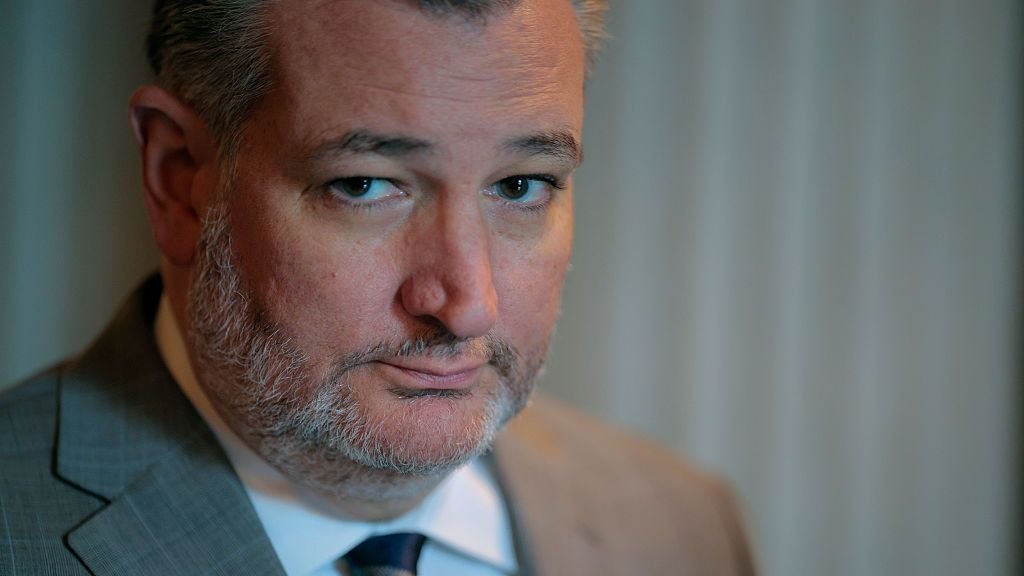
Senator Ted Cruz, Chairman of the Senate Commerce Committee, launched a formal inquiry into the Wikimedia Foundation on October 3, demanding internal documents to investigate allegations of systemic ideological bias within Wikipedia’s editorial framework. In a letter addressed to CEO Maryana Iskander, Cruz asserts that the platform has drifted from its original mission of crowdsourcing neutral human knowledge, instead adopting a “left-wing bias” that marginalizes conservative viewpoints and sources.
Challenging the “Reliable Sources” Framework
The crux of Cruz’s investigation centers on Wikipedia’s “perennial sources” list, a guide used by volunteer editors to determine the credibility of news outlets. Citing research from the Manhattan Institute, the Senator argued that the platform’s categorization reflects a partisan double standard. Cruz highlighted that while outlets like MSNBC and CNN maintain “generally reliable” statuses, Fox News was downgraded to “generally unreliable” for politics and science in 2020.
The Senator further noted the disparity between the treatment of the Southern Poverty Law Center, which holds a top rating, and the Heritage Foundation. The latter, a prominent conservative think tank, has been labeled as a “deprecated” source by Wikipedia editors, who claim the organization promotes disinformation. Cruz has requested “documents sufficient to show” exactly how the Wikimedia Foundation and its community determine these high-stakes categorizations.
Editorial Conflicts and Geopolitical Narratives
Beyond domestic politics, Cruz accused the platform of allowing “coordinated groups of editors” to push antisemitic narratives while “whitewashing” the actions of groups like Hamas. This follows a period of intense internal strife on the site regarding the Israeli-Palestinian conflict, which resulted in Wikipedia administrators banning eight editors in January to curb “edit wars.”
While acknowledging that the foundation has taken some corrective measures, Cruz questioned the transparency of these interventions. “The Wikimedia Foundation has said it is taking steps to combat this editing campaign, raising further questions about the extent to which it is intervening in editorial decisions and to what end,” Cruz wrote in his demand for internal communications.
Wikimedia Foundation Defends Decentralized Model
In a statement provided to Ars Technica, the Wikimedia Foundation confirmed receipt of the letter and defended its decentralized editorial process. The foundation emphasized that Wikipedia is governed by “strong safeguards and high-quality volunteer oversight,” describing the site as a living encyclopedia that prioritizes information over persuasion.
The foundation asserted its commitment to protecting the free expression of its nearly 260,000 volunteers, who manage over 65 million articles. “Wikipedia seeks to inform, not persuade,” the statement read, adding that the organization welcomes the opportunity to educate policymakers on its rigorous editorial standards and transparent processes.
A Broader Campaign Against “Censorship”
This inquiry is part of a wider effort by Cruz to scrutinize what he characterizes as a “censorship industrial complex.” The Senator is simultaneously investigating the Biden administration’s Cybersecurity and Infrastructure Security Agency (CISA) for allegedly pressuring Big Tech platforms to police speech. Cruz’s letter specifically demands all communications between Wikimedia Foundation agents and the federal government dating back to January 1, 2020.
The timing of the letter also highlights a complex stance on media regulation. Just weeks prior, Cruz criticized FCC Chairman Brendan Carr for suggesting that ABC’s broadcast licenses could be revoked over political content, likening government pressure on media to “mafioso” tactics. However, Cruz maintains that the Standing Rules of the Senate grant his committee specific jurisdiction over online information platforms, justifying his October 17, 2025, deadline for Wikipedia’s compliance.