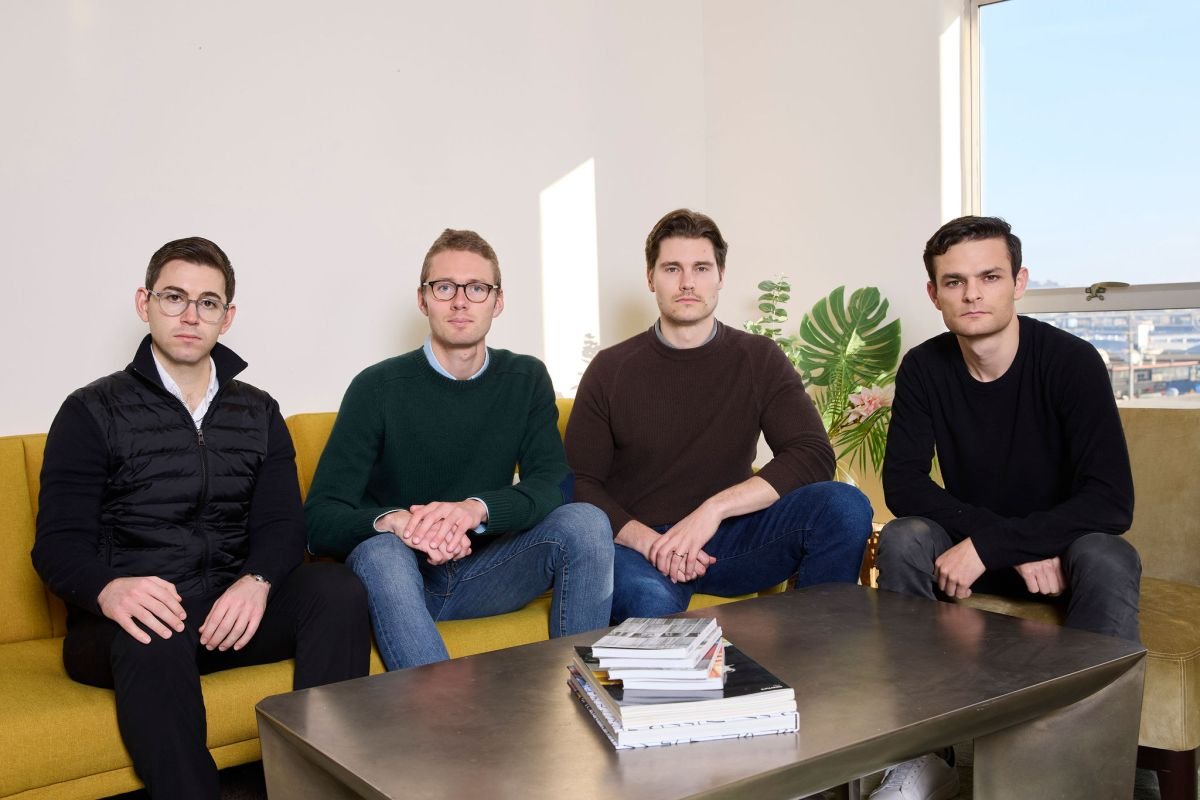
Chai Discovery, a San Francisco-based AI biotech firm founded by Joshua Meier and Joshua Dent, recently transitioned from its inception within OpenAI’s headquarters to a landmark strategic partnership with Eli Lilly, aiming to revolutionize drug discovery through bespoke proteomic models. The company’s trajectory highlights a shift in the pharmaceutical industry, where custom-built algorithms are now accelerating the identification of complex therapeutic candidates.
The Strategic Evolution of Chai’s Foundational Tech
The genesis of the company traces back to a high-level inquiry from OpenAI CEO Sam Altman, who approached Joshua Dent to gauge Joshua Meier’s interest in leading a proteomics-focused spinout. While the vision was clear, Meier initially declined, citing that the underlying artificial intelligence had not yet reached the necessary maturity to handle the complexities of protein folding and design at scale.
Instead of launching immediately, Meier joined Facebook’s research and engineering division. During his tenure there, he was instrumental in developing ESM1, recognized as the first transformer protein-language model and a critical precursor to current AI-driven biological research. Following a three-year stint at the biotech firm Absci, Meier determined that the technology had finally caught up to the ambition, leading him and Dent to revisit the conversation with Altman in 2024.
From OpenAI’s Mission District Offices to Market Leader
Upon its official launch, OpenAI emerged as one of Chai Discovery’s primary seed investors. The founding team—which includes Matthew McPartlon and Jacques Boitreaud—initially operated directly out of OpenAI’s offices in San Francisco’s Mission neighborhood. This close proximity to the world’s leading AI researchers provided a fertile environment for Chai to develop its proprietary codebase from the ground up.
“Every line of code in our codebase is homegrown,” Dent stated, emphasizing the company’s departure from industry trends. Rather than fine-tuning open-source large language models (LLMs), Chai Discovery utilizes highly custom architectures specifically engineered for biological data. This technical independence has been a primary driver behind the company’s rapid ascent and its ability to secure a high-profile deal with Eli Lilly just over a year after its founding.
Unlocking New Classes of Medicine Through Custom AI
The partnership with Eli Lilly signals a broader industry confidence in AI’s ability to solve historically “undruggable” problems. According to Viboch, a representative from General Catalyst, there are no longer fundamental barriers to deploying these advanced models in drug discovery. The focus has shifted from theoretical potential to practical application in the lab.
While experimental validation and clinical trials remains mandatory, the integration of Chai’s technology is expected to provide significant competitive advantages. By compressing the discovery timeline and unlocking classes of medicines that have historically eluded researchers, Chai Discovery is positioning itself as a cornerstone of the next generation of biopharmaceutical innovation.