
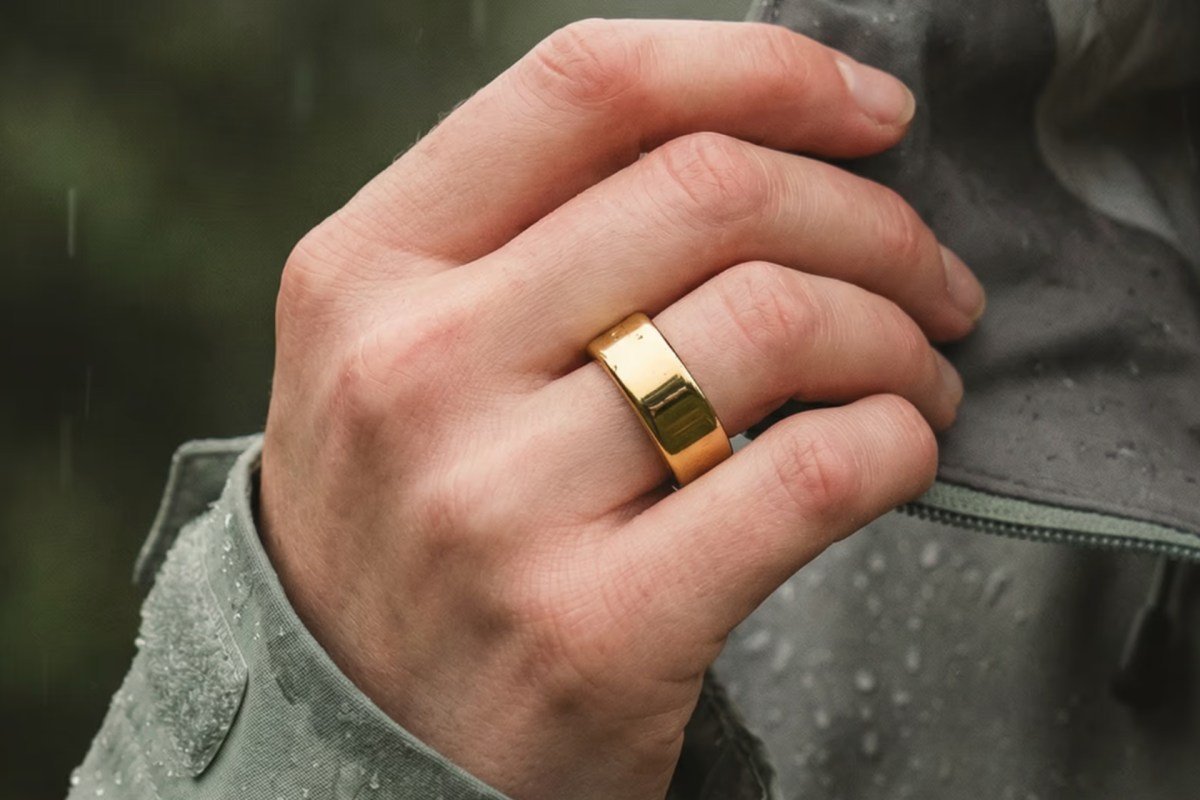
Ultrahuman is accelerating its American expansion by introducing the Ring Pro, a redesigned wearable engineered to bypass persistent patent infringement claims from market leader Oura. This strategic launch follows a U.S. Customs and Border Protection (CBP) decision regarding the company’s previous hardware, which Ultrahuman CEO Mohit Kumar asserts justifies their move toward a non-infringing design while they continue to contest Oura’s allegations in federal court.
Legal Maneuvering and Product Evolution
The Ring Pro was developed as a proactive upgrade to resolve intellectual property disputes that have clouded Ultrahuman’s presence in the United States. While Kumar maintains that the existing Ring Air does not violate any patents, the new hardware iteration aims to provide a definitive legal safeguard for the company’s growth. However, Oura remains dismissive of the recent regulatory developments, stating that the CBP’s findings are limited in scope and do not resolve the broader litigation. The Finnish company is currently evaluating further enforcement options and potential appeals to protect its proprietary technology.
India Becomes the New Frontline for Wearable Rivalry
As Ultrahuman doubles down on the U.S. market, Oura has retaliated by entering India, Ultrahuman’s domestic stronghold. The recent launch of the Oura Ring 4 in the region marks a significant escalation in global competition. Despite this encroachment, Ultrahuman leadership views the arrival of international competitors as a catalyst for market maturity in a category that remains largely untapped by the general population.
The competitive landscape in India is shifting rapidly. According to a recent IDC report, smart ring shipments in the country declined 30.6% year-over-year in 2025. Despite this contraction, Ultrahuman maintains a dominant 30.4% market share, followed by Gabit at 18.3%. Pricing pressure is also mounting, with average selling prices dropping nearly 9% to approximately $160 as brands fight for consumer attention.
Data-Driven Growth and the Future of Biomarkers
The United States currently represents the most critical demographic for Ultrahuman, accounting for 45% of its 700,000 daily active users. The U.S. user base is notably female-dominated, with women making up roughly 74% of the audience—a figure that has seen steady growth over the past year. This demographic shift highlights a specific demand for health tracking and wellness optimization among American women.
Looking beyond the smart ring form factor, Ultrahuman is diversifying its technical roadmap. The company is currently developing a new wearable device focused on a distinct biomarker to complement its existing suite of metrics. At present, Ultrahuman’s ecosystem monitors heart rate variability, skin temperature, sleep architecture, blood oxygen levels, and movement, positioning the brand as a comprehensive health-tracking platform rather than a single-product manufacturer.