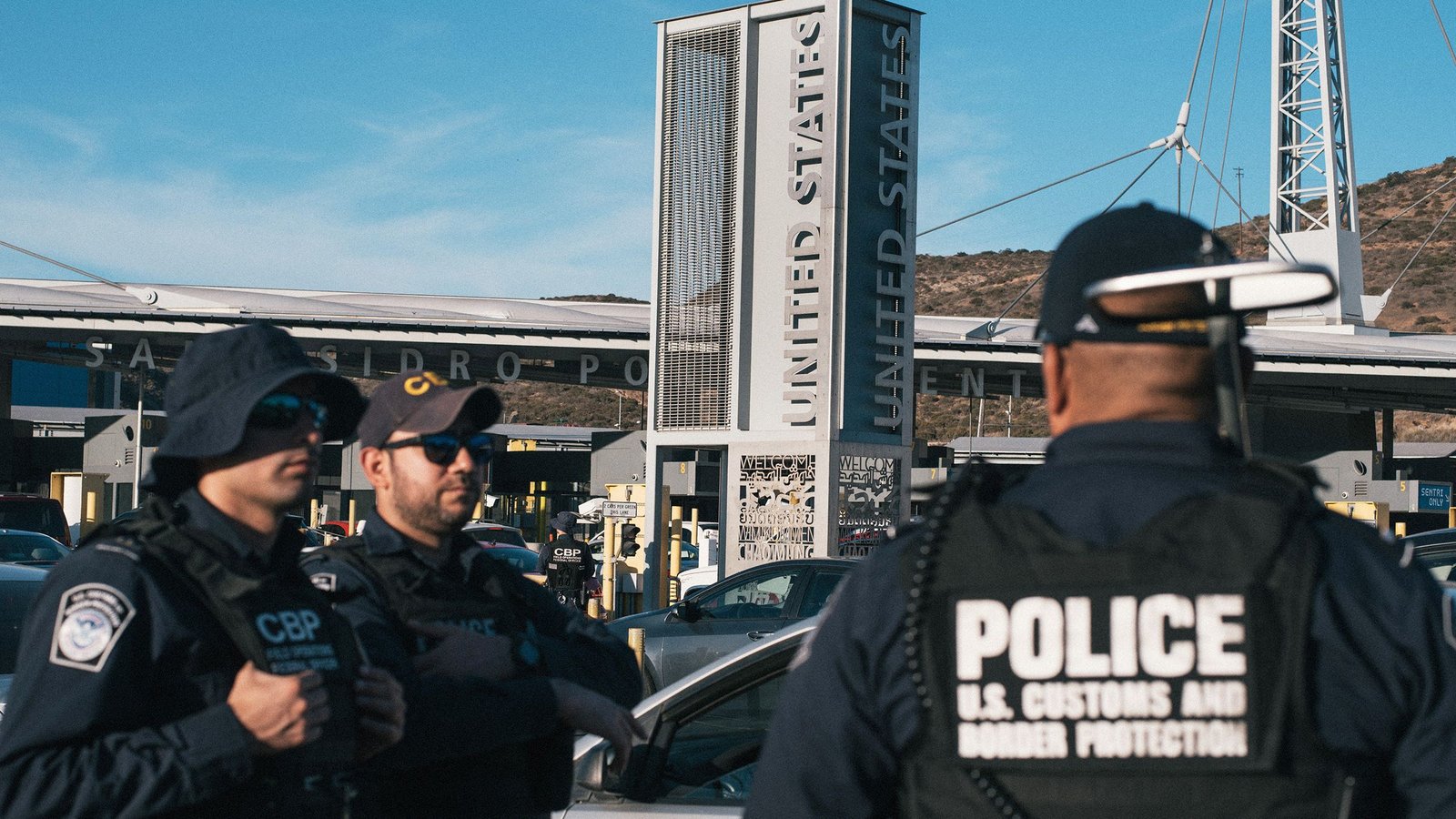
U.S. Customs and Border Protection (CBP) conducted an unprecedented 55,424 electronic device searches during fiscal year 2025, marking a sharp escalation in surveillance as the Trump administration intensifies border enforcement. This surge, representing a significant jump from the 47,000 searches recorded in 2024, highlights a growing friction between national security protocols and traveler privacy at American ports of entry.
Surge in Surveillance: Fiscal Year 2025 Breaks Records
The newly released data, covering the period from October 2024 through September 2025, reveals a consistent upward trajectory in digital inspections. While these searches affect less than 0.01% of the millions who cross U.S. borders annually, the psychological and diplomatic impact is widening. International tourism has seen a notable decline in recent months as visitors weigh the risks of invasive digital screenings and the broader “hostile” climate associated with the current administration’s immigration crackdown.
The escalation was particularly aggressive in the latter half of the fiscal year. Between April and June 2024, agents searched 14,899 devices, which briefly held the quarterly record until the July-September window surpassed it with 16,173 searches. This trend reflects a decade-long shift; in 2015, CBP conducted only 8,503 searches. By 2018, that number had climbed to 30,000, finally breaching the 50,000-mark this year.
The “Border Search Exception” and Privacy Risks
Under current U.S. law, border zones and airports operate under a legal framework that largely bypasses Fourth Amendment protections against unreasonable searches and seizures. CBP officials maintain broad authority to inspect phones, laptops, and cameras without a warrant. The agency’s official stance mandates that travelers present their electronics in a “condition that allows for the examination of the device and its contents.”
Advanced Forensics: From Cellebrite to GrayKey
CBP categorizes these inspections into two tiers:
- Basic Searches: Manual reviews where agents scroll through messages, photos, and apps. These accounted for 51,061 of the total searches this year.
- Advanced Searches: Forensic extractions using external hardware to copy data or recover deleted files. These increased by 3% this year, totaling 4,363 instances.
The agency relies on an expanding arsenal of private-sector technology to conduct these deep dives. Tools such as Cellebrite’s UFED are utilized to bypass screen locks, while GrayKey is specifically deployed to penetrate Apple’s iOS security. Additionally, Magnet AXIOM allows agents to reconstruct entire activity timelines from cloud artifacts and computer metadata. What was once a specialized laboratory task has now become a routine checkpoint procedure.
Global Backlash and the “Meme” Deportations
The aggressive screening policy has sparked international controversy following several high-profile incidents. In one instance, a French scientist was reportedly interrogated after agents found content on his phone critical of the administration. More recently, a 21-year-old Norwegian tourist was denied entry at Newark Liberty International Airport after agents discovered a meme mocking Vice President JD Vance on his device. Such cases have fueled a perception abroad that the U.S. border has become a site of political vetting rather than just security screening.
CBP spokesperson Rhonda Lawson defended the practices, stating the search volume remains “consistent with increases since 2021.” Lawson emphasized that these measures are essential to “detect digital contraband, terrorism-related content, and information relevant to visitor admissibility.” She further noted that travelers should be aware that “the policy and procedures for searches have not changed” and remain “exceedingly rare.”
A Fractured Legal Map: Warrants and Circuit Courts
The legality of suspicionless digital searches remains a contentious issue in the federal judiciary. Currently, U.S. courts are split: the Eleventh and Eighth Circuits permit searches without specific suspicion, whereas the Fourth and Ninth Circuits require at least “reasonable suspicion” for advanced forensic extractions. Recent rulings in New York district courts have gone even further, suggesting that “probable cause” should be the standard. Until the Supreme Court provides a definitive ruling, a traveler’s digital privacy rights may depend entirely on which airport they land in.